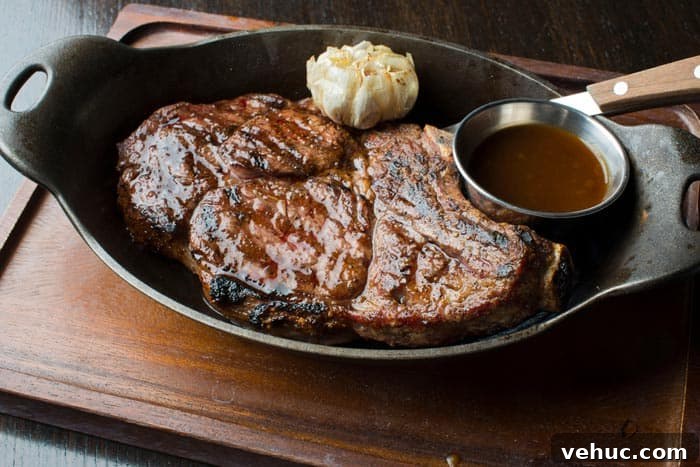
The Maillard Reaction is the key to the irresistible flavor of browned meat. Learn what it is and how to harness it to elevate your backyard cooking with this practical Maillard Reaction meat guide.
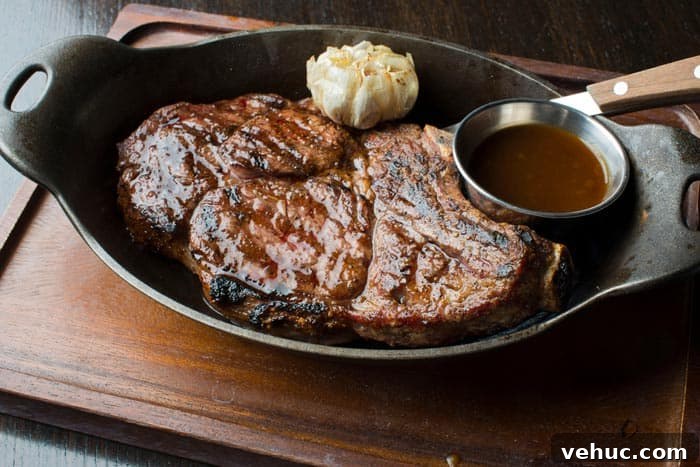
- What is the Maillard Reaction?
- Maillard Reaction vs. Caramelization: What’s the difference?
- What is a non-enzymatic reaction?
- How to get the Maillard Reaction
Of all the cooking science behind great meat, the Maillard Reaction is one of the most important. Often associated simply with browning, it actually transforms color, aroma, flavor, and texture through a cascade of chemical changes.
Whether it’s the seared crust on a grilled steak, the flavorful bark on smoked brisket, or crisp bacon, much of what we love about cooked meat is owed to the Maillard Reaction. This guide explains what it is, how it works, and how to encourage it for better grilling and smoking results.
What is the Maillard Reaction?
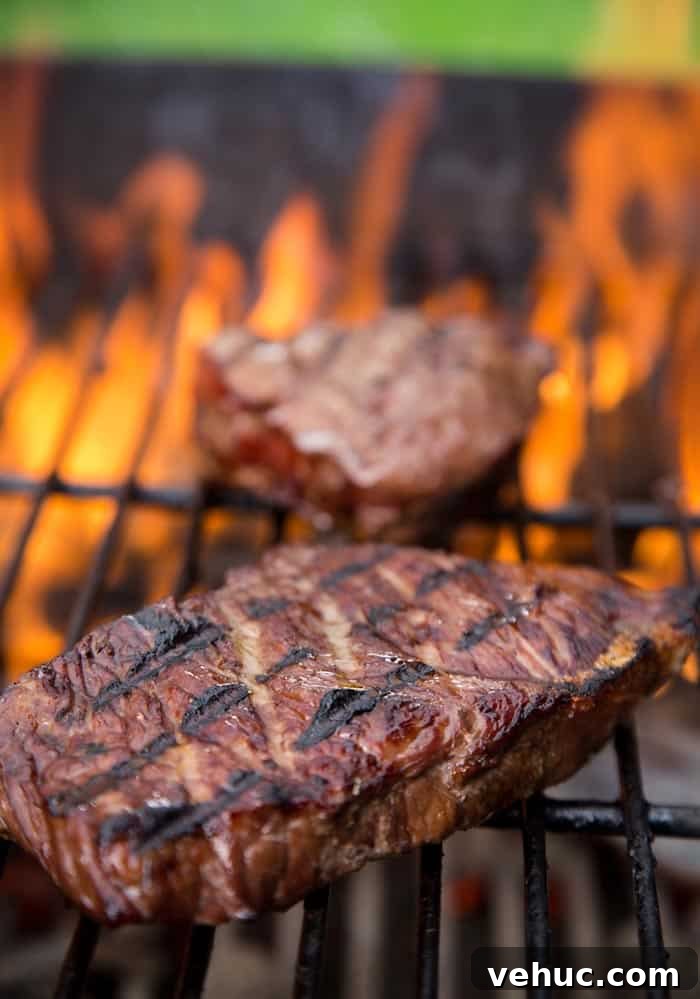
The Maillard Reaction is a chemical reaction between amino acids (from proteins) and reducing sugars that occurs when foods are exposed to high, dry heat. It’s responsible for the brown sear on grilled steak and the complex aromas and flavors that develop as meat cooks.
Unlike slow roasting or steaming, which don’t create the same crust or flavors, Maillard chemistry needs relatively high temperatures and low surface moisture. That difference explains why the taste of grilled or seared meat is distinct from smoked or braised preparations, even when the internal temperature is the same.
Named for French chemist Louis-Camille Maillard, the reaction forms new molecules that alter a food’s color, taste, and smell. In meat, reducing sugars react with amino groups from proteins to produce intermediate compounds that rearrange, break down, and recombine into many flavor-active molecules and pigments called melanoidins.
Although strongly associated with meat, the Maillard Reaction appears in many cooked foods: the golden crust of bread, toast, roasted potatoes, and even roasted malt that contributes color and flavor in beer are all Maillard-driven.
The process
The Maillard Reaction begins around 300°F (149°C) when reducing sugars and amino acids interact. The sugar’s reactive carbonyl group and an amino acid’s nucleophilic amino group form an N-substituted glycosylamine and water. That intermediate undergoes Amadori rearrangement to form ketosamines, which further break down into many volatile and non-volatile compounds.
These steps produce a broad array of flavor molecules—aldehydes, ketones, and heterocyclic compounds—that contribute roasted, nutty, toasty, and savory notes. The reaction also builds brown nitrogenous polymers (melanoidins) that give a desirable browned color and crust texture.
The reaction proceeds faster in alkaline conditions and varies widely with the specific amino acids and sugars present, which is why the exact aroma profile differs between foods. While sugars play a role, Maillard chemistry is distinct from caramelization, which involves the direct thermal degradation of sugars without amino acids.
Maillard Reaction vs. Caramelization: What’s the difference?
Both Maillard browning and caramelization produce brown color and complex flavors, but they are different chemical processes. Maillard requires amino acids reacting with reducing sugars; caramelization is the thermal decomposition and oxidation of sugars alone.
Caramelization temperatures vary by sugar: fructose tends to caramelize at lower temperatures than glucose or sucrose. Caramelization produces nutty, sweet, and bitter notes by breaking down sugars into new compounds and releasing steam and volatile molecules. Maillard reactions produce a wider range of savory and roasted flavors because proteins are involved.
In practice both processes can occur together. On a steak, the abundance of protein makes Maillard reactions dominant. On vegetables or carbohydrate-heavy foods—corn, onions, or a caramelized sauce—caramelization may be more prominent. When sugar-based sauces are applied to meat, their sugars can caramelize during cooking and significantly alter flavor and appearance.
What is a non-enzymatic reaction?
Non-enzymatic browning refers to chemical changes that darken food without the action of the food’s own enzymes. Both Maillard reactions and caramelization are non-enzymatic. Enzymatic browning, by contrast, involves enzymatic oxidation—for example, the browning of sliced apples or bananas as they age.
How to get the Maillard Reaction
Knowing how the Maillard Reaction works lets you make better decisions when grilling, searing, or smoking. Follow these practical steps to maximize browning, flavor, and texture on your meat.
Keep meat dry
Surface moisture creates steam and prevents direct, high-temperature contact needed for browning. Avoid wet marinades just before searing; instead use dry brining or salt in advance to draw moisture out, then pat the surface dry before cooking.
Create space
Leave at least an inch between pieces on the grill or in the pan to promote even airflow and consistent surface temperatures. Crowding traps steam and reduces the chance of a proper sear.
Oil the meat
A thin coating of oil prevents sticking and helps conduct heat across the surface, encouraging even browning. Use oils with suitable smoke points for the temperatures you’ll use.
Add sugar
If you’re cooking at lower temperatures first (as in reverse searing), a small amount of sugar in a dry rub can enhance browning and add subtle caramel notes. Avoid adding sugar when searing at very high heat, as sugar burns quickly and can become bitter.
High temperatures
Maillard chemistry requires high, dry heat at the surface. The reaction becomes significant at roughly 300°F (149°C), so grill or pan surface temperatures of 350–400°F (177–204°C) or higher are typical for a strong sear. Low-and-slow smoking produces tender, juicy meat but will not produce the same crust as high-heat searing; many cooks combine both techniques to get the best of both worlds.
By managing surface dryness, spacing, oil, seasoning, and temperature, you can reliably produce flavorful, well-browned meat that showcases the Maillard Reaction to its fullest.