Tea is enjoyed worldwide for its variety of flavors and its nutritional benefits. In countries such as China and Japan, tea brewing is deeply rooted in daily life and refined into an art. Even without formal training, anyone can brew a satisfying cup at home.
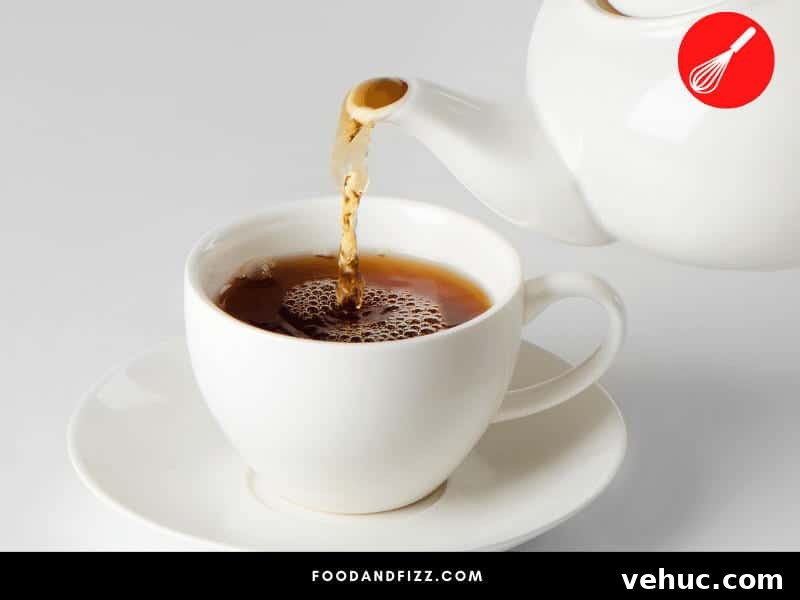
Frequent tea drinkers often notice small details that newcomers miss: aroma, strength, and sometimes a layer of white foam or tiny bubbles on the surface. Seeing foam can be surprising and may raise concerns that something was added to the tea. In most cases, that’s not true—but what causes the foam?
Table of Contents
Toggle
Why Does Tea Foam?
The main cause of tea foam is a group of natural compounds called tea saponins. These molecules, present in tea leaves to protect the plant from pests, create foam when they agitate in water. The amount of foam varies with leaf type, processing method, leaf size, and brewing technique.

What is Tea? A Brief History
Tea is a versatile beverage consumed hot or cold and valued for both flavor and health. Legend traces its discovery to China around 5,000 years ago when Emperor Shen Nung reportedly noticed leaves steeping in boiling water. Initially used for medicinal purposes, tea became central to cultural rituals and daily life in many regions. From China it spread to Japan, India, and eventually Europe, evolving into countless varieties and preparation styles.
Today tea remains one of the world’s most popular drinks, appreciated for its taste, ritual and potential health benefits. Iced tea is a popular cold variation enjoyed globally.

How is Tea Made?
Tea production involves several stages from cultivation to packaging. Differences in each step shape the tea’s flavor, aroma and how it behaves when brewed.
1. Cultivation
Tea comes from the Camellia sinensis plant, which thrives in warm, wet climates. Soil and terroir influence the final taste much like in wine.
2. Harvesting
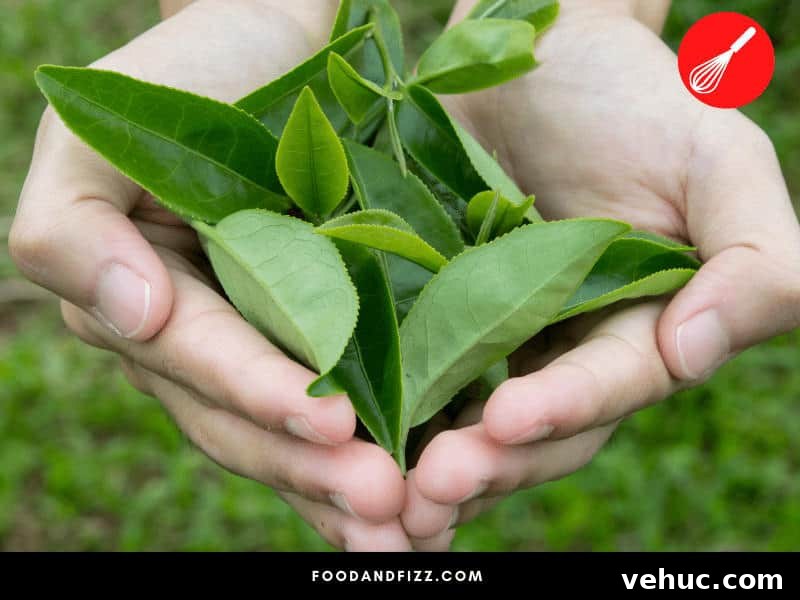
Tea bushes usually mature for about three years before harvest. Pluckings focus on the top leaves and buds; hand-plucking preserves more of the leaf’s character, while machine harvesting produces more broken pieces that release flavor faster.
3. Sorting and Processing
After harvest, leaves are sorted and graded before undergoing processing steps that determine their final style and quality.
4. The Orthodox Method
The orthodox route typically follows withering, rolling, oxidation and drying:
Withering — Leaves are dried to remove excess moisture, making them pliable for rolling.
Rolling — Rolling breaks cell walls, releasing oils and compounds that shape aroma and flavor. Traditionally done by hand, machines now speed this step.
Oxidation — Exposure to oxygen transforms the leaf’s chemical profile. Minimal oxidation yields green or white teas; full oxidation produces black tea.
Drying — Heat is applied to halt oxidation and reduce moisture for storage and packaging.
5. The CTC Method
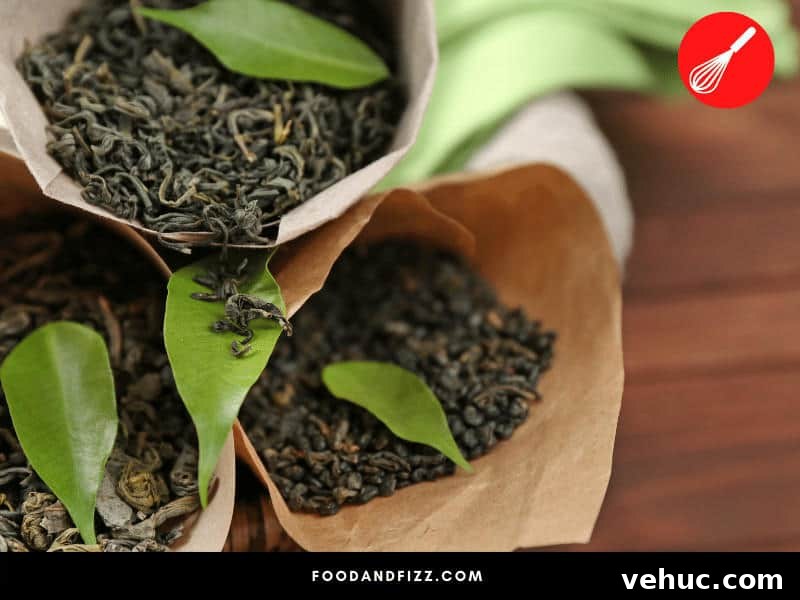
The CTC (crush-tear-curl) process uses machines to break leaves into small, uniform pieces ideal for teabags. It follows the same withering, oxidation and drying steps but differs in how leaves are mechanically processed, increasing surface area and speeding flavor release.
Why Does Tea Foam?
When tea is brewed, agitation causes tea saponins to form bubbles in much the same way soap foams in water. These naturally occurring substances protect the plant from pests; their presence in the cup is harmless. Several factors influence how much foam appears.
1. Leaf type and processing
The rolling step releases oils and compounds, including saponins. Heavily rolled or mechanically processed teas tend to release more saponins and therefore produce more foam.
2. Broken pieces
Smaller or broken leaf particles expose more surface area to water, releasing compounds quickly and increasing the tendency to foam.
3. Brewing technique
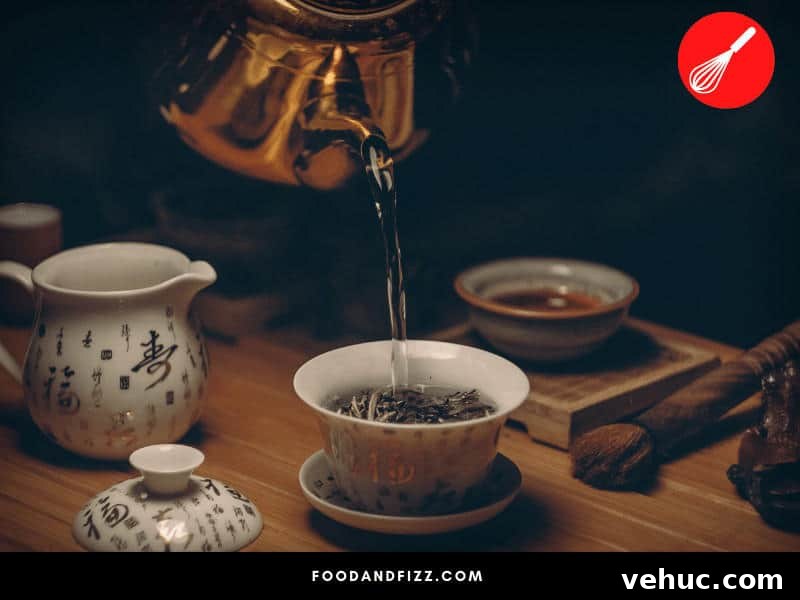
Agitation during pouring—such as lifting water high above the teapot when infusing—introduces air and encourages saponin bubbles. Some brewing rituals use this intentionally for aroma and cooling; with teas that release more saponins, it produces more visible foam.
Is Tea Foam Toxic?
No. Tea foam is a natural occurrence caused by saponins, not pesticides or contaminants. It is safe to drink. The amount of foam depends on processing, leaf size and brewing style, so seeing foam is normal and not a cause for concern.
What Are The Health Benefits of Tea?
Tea offers several health benefits supported by research. Many teas, especially green tea, contain antioxidants and polyphenols that may reduce inflammation, support heart and brain health, aid weight management, and offer protective effects against certain diseases. Regular consumption as part of a balanced diet can contribute to overall well-being.
Conclusion to Why Does Tea Foam?
Foam in tea is caused by naturally occurring tea saponins released during processing and brewing. The degree of foaming depends on leaf type, processing (especially rolling), leaf size and how you brew the tea. Tea foam is harmless and does not indicate contamination.
Frequently Asked Questions On Why Does Tea Foam?
Is Tea Foam Safe to Drink?
Yes. Foam forms from tea saponins when they mix with water and is not harmful.
Is Tea Healthy?
Tea can support immunity, reduce inflammation and contribute to heart and brain health. Green tea is particularly rich in antioxidants and is often recommended for its health properties.
Does Tea Contain Caffeine?
Yes. Tea naturally contains caffeine; levels vary by type and processing. Generally, white and green teas have less caffeine than black teas, though preparation also affects the final amount in your cup.