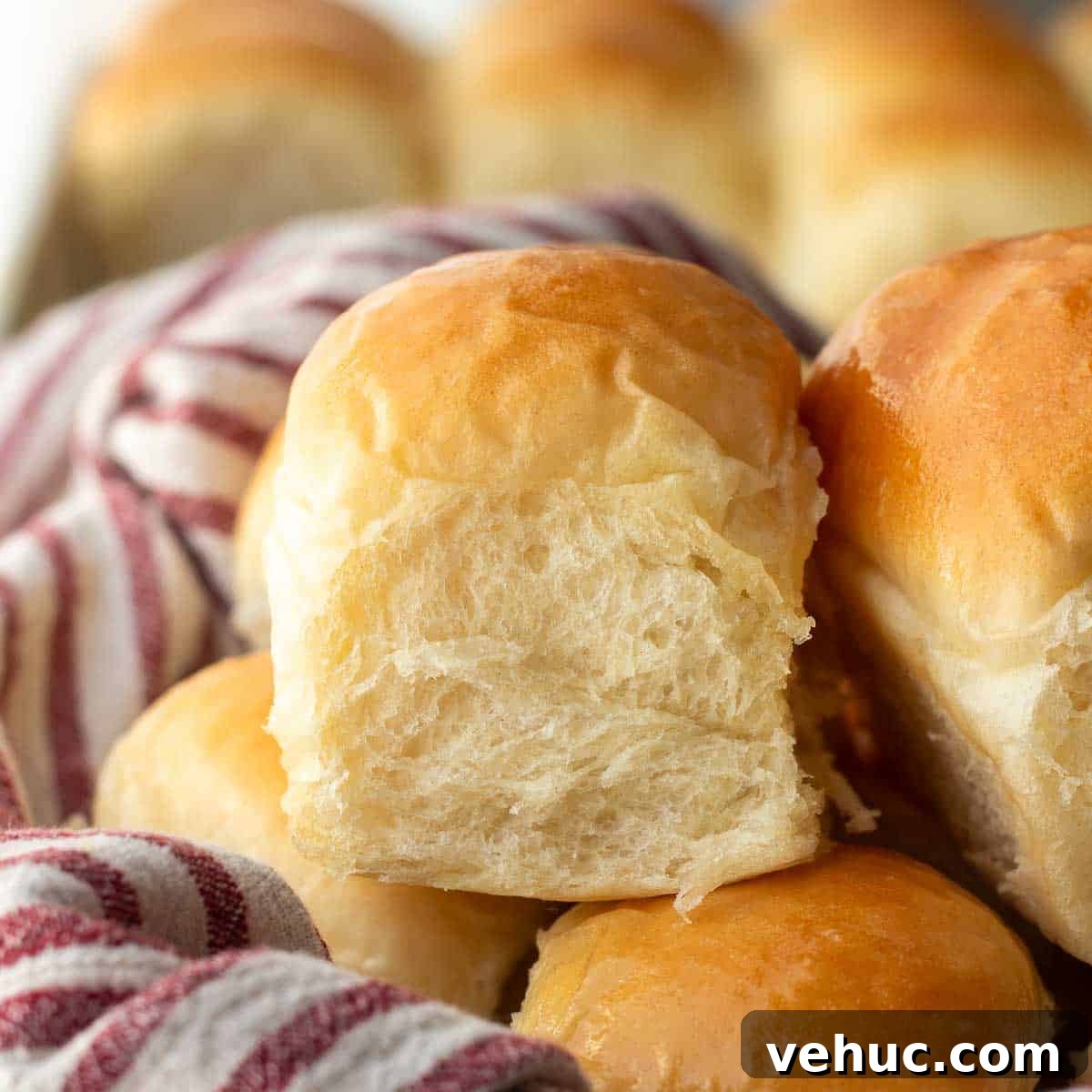
This soft, buttery old-fashioned yeast dinner rolls recipe yields fluffy, tender rolls flavored with honey and butter. They’re delightfully light and perfect served warm with a smear of honey butter.
This large-batch yeast roll recipe makes about 24–36 rolls depending on size—30 rolls is a common, reliable yield. You can halve the recipe to make 12–15 rolls. The dough is simple and traditional: no shortening or vegetable oil, just honey, yeast, butter, eggs, flour, water, and salt. These rolls keep well for several days and freeze easily, either baked or as raw dough balls.
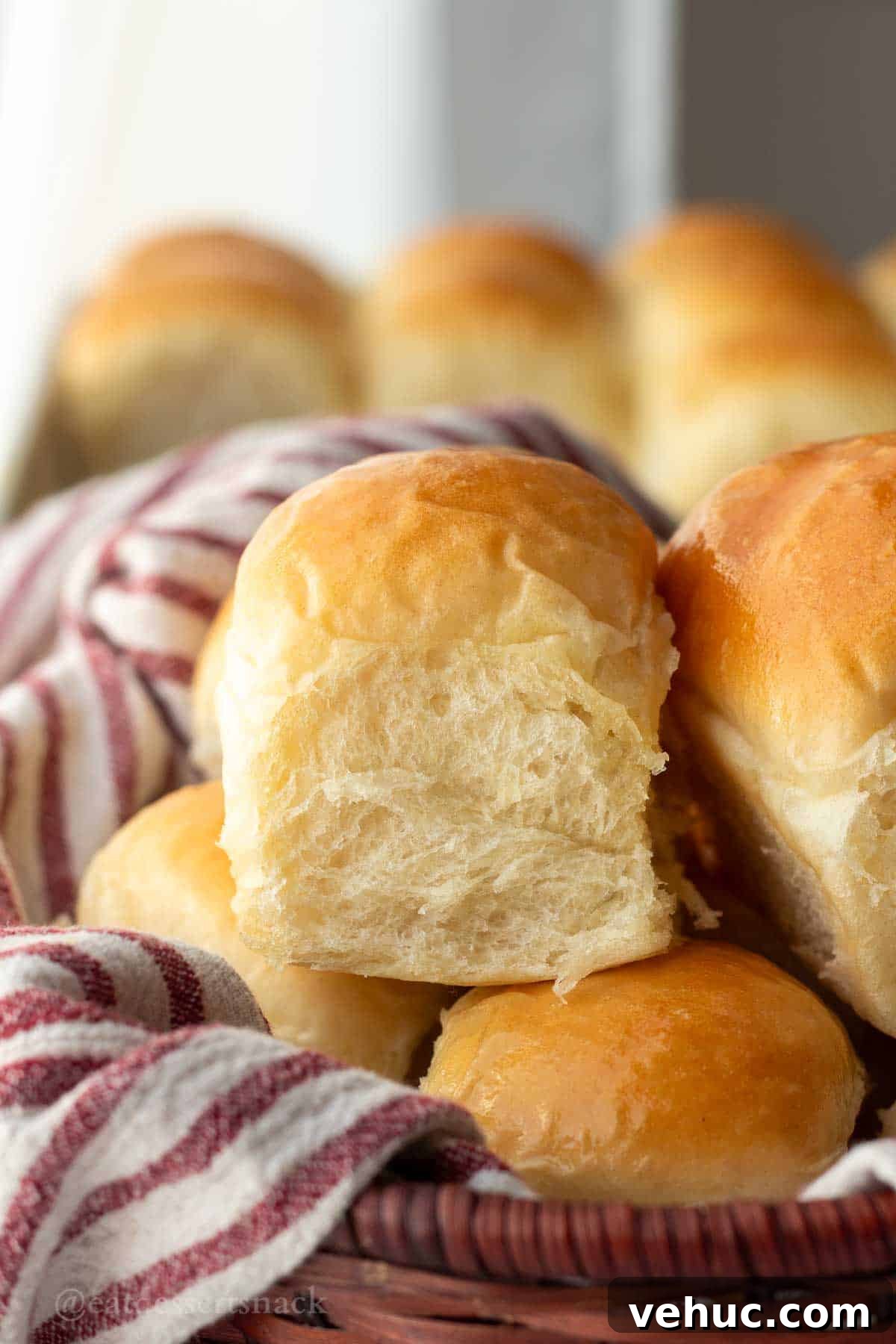
After a decade of testing and refining, this is a reliably soft, old-fashioned roll everyone can make at home. The honey gives a subtle sweetness and helps the dough develop a good texture. These rolls are ideal for holiday dinners since the method scales well and, once you learn the rolling technique, goes quickly.
What To Expect
- Taste: Large, pillowy rolls with a light honey sweetness, balanced salt, and buttery flavor.
- Ease: Straightforward recipe with seven main ingredients. The shaping takes a bit of practice to make even, round rolls.
- Time: About 3 hours total: 10 minutes mixing, 1 hour first rise, 15–20 minutes shaping, 1 hour second rise, and 15 minutes baking. Rise times vary by room temperature.
🛒 Key Ingredients
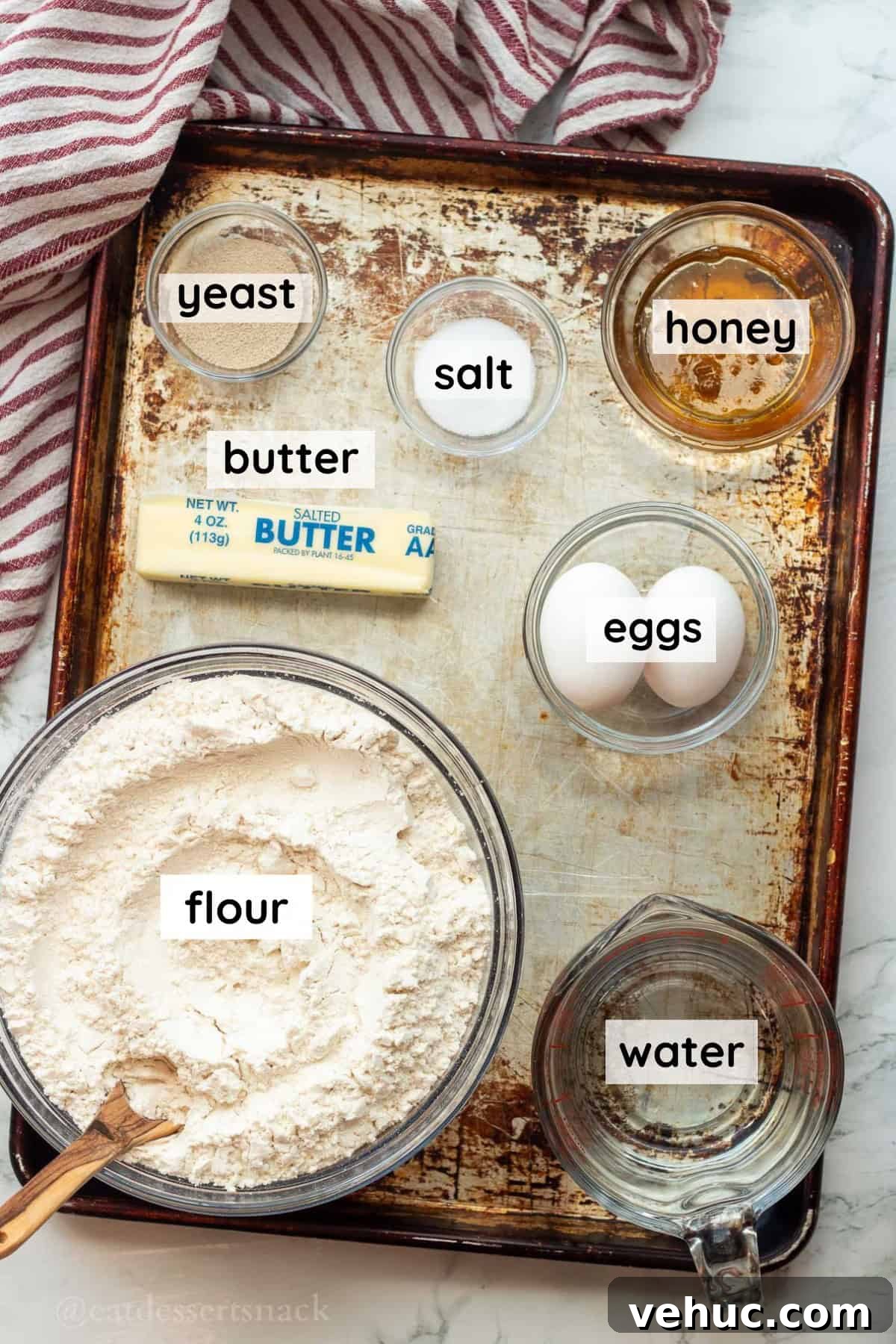
- Flour: All-purpose works consistently and gives the desired texture.
- Honey: Adds flavor and improves dough handling. You can substitute other sweeteners when needed.
- Yeast: Active dry or instant yeast both work. Active dry should be proofed in warm water first; instant can be mixed in directly.
- Water: Warm water (100–110°F) is used to bloom the yeast and create a light crumb. Avoid milk to keep the rolls extra fluffy.
- Butter: Adds tenderness and helps the rolls stay soft for days.
- Eggs: Enrich the dough and improve structure and shelf life.
- Salt: Essential for flavor—don’t skip it.
✏️ Substitutions & Variations
- Honey: For infants under one year, don’t use honey. Substitute with agave, pure maple syrup, or a granulated sugar alternative in equal amounts.
- Butter: Use shortening or a dairy-free spread for a dairy-free version.
- Water: Fat-free dairy or plant-based milks can be used, though they may slightly change texture.
- Flour: Bread or whole wheat flour can be used; they absorb more liquid—start with 1/2 cup less and adjust as needed.
🧑🍳 Instructions
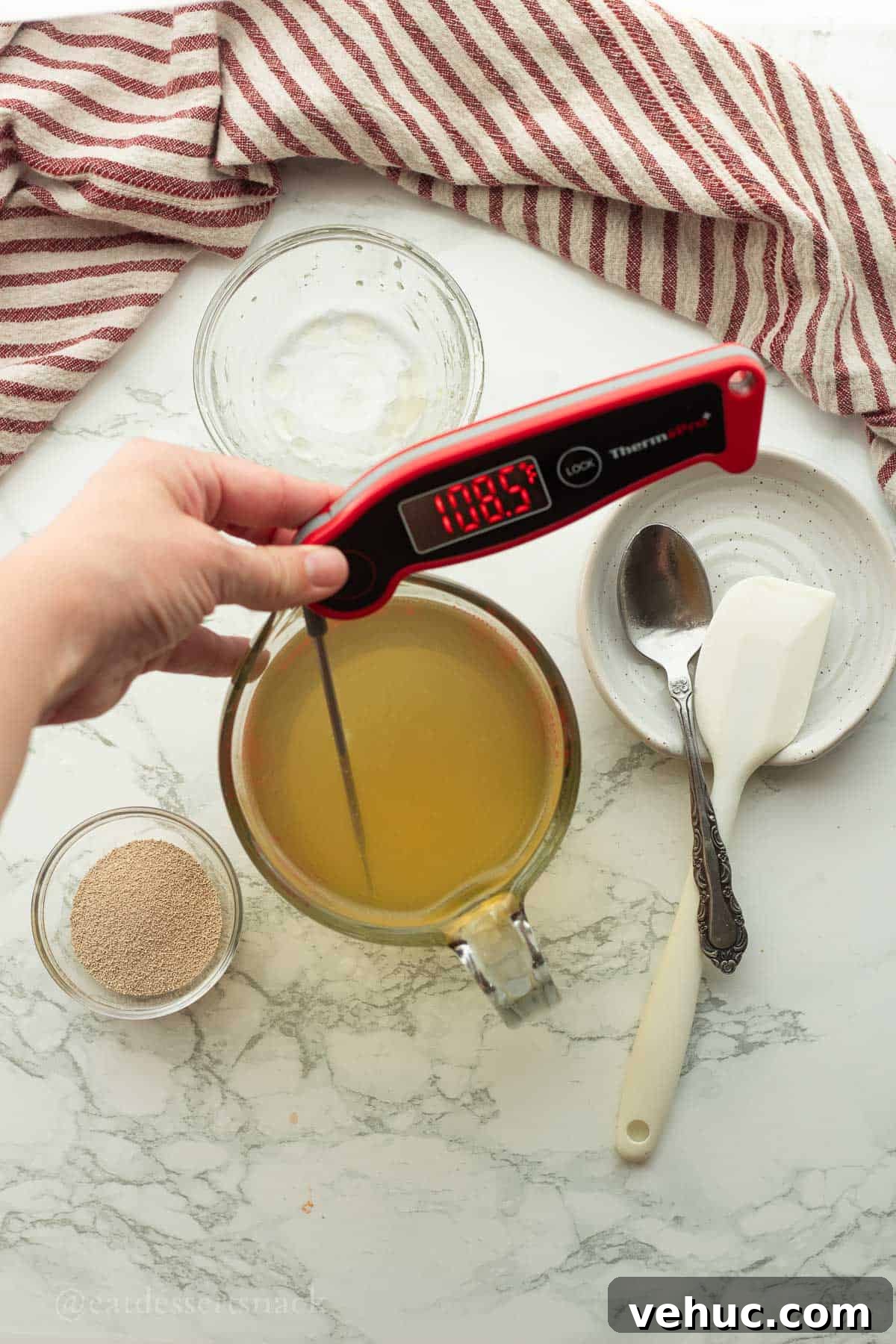
- Step 1. In a small bowl or measuring cup, mix 2 cups warm water (100–110°F), 1/4 cup honey, and 4 teaspoons active dry yeast. Let sit 5 minutes until foamy. Water temperature is important—too hot kills yeast, too cool delays activation.
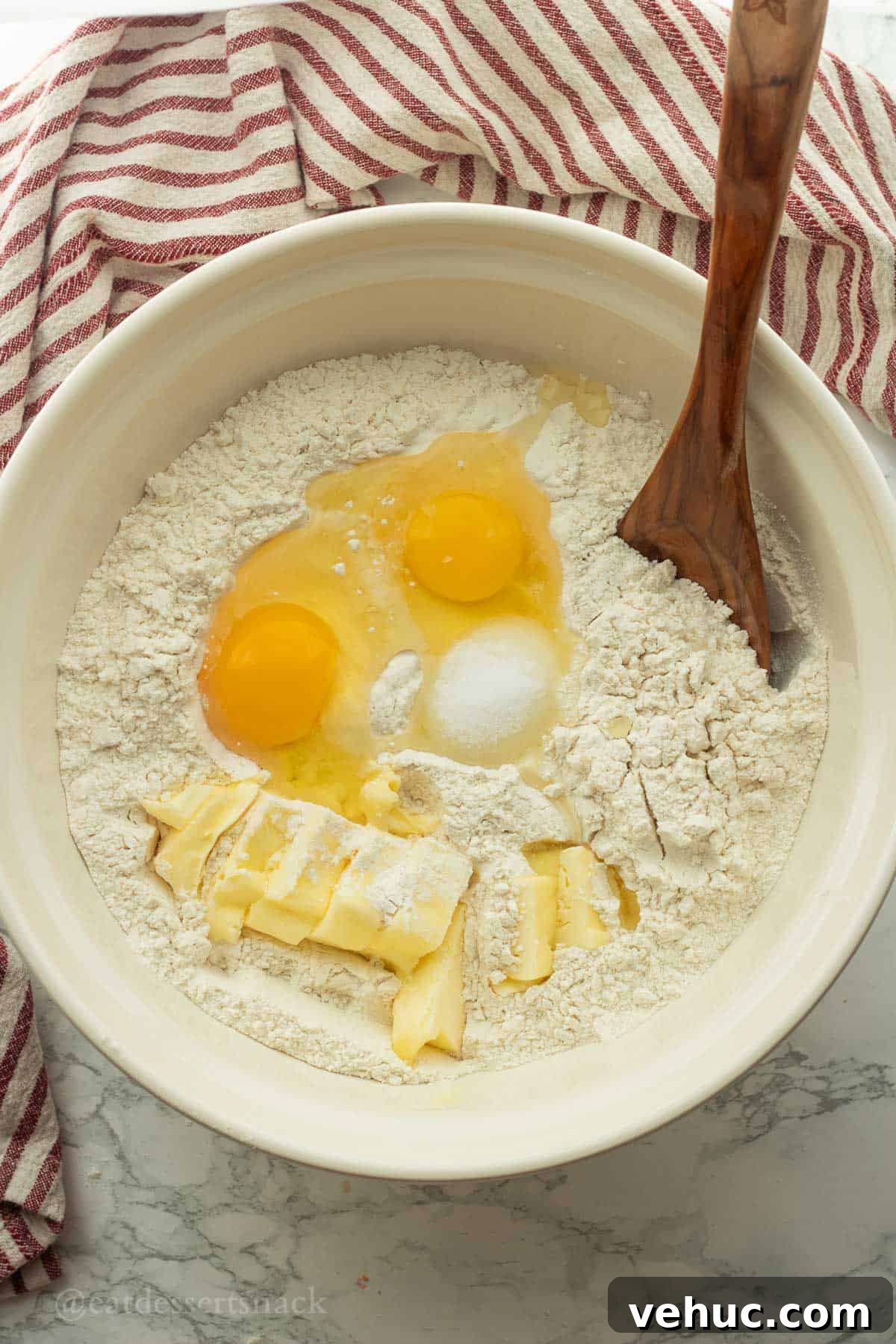
- Step 2. In a large bowl, combine 1/2 cup softened salted butter, 2 eggs, 2½ teaspoons salt, and 7 cups all-purpose flour. If you use a scale, weigh the flour for consistent results.
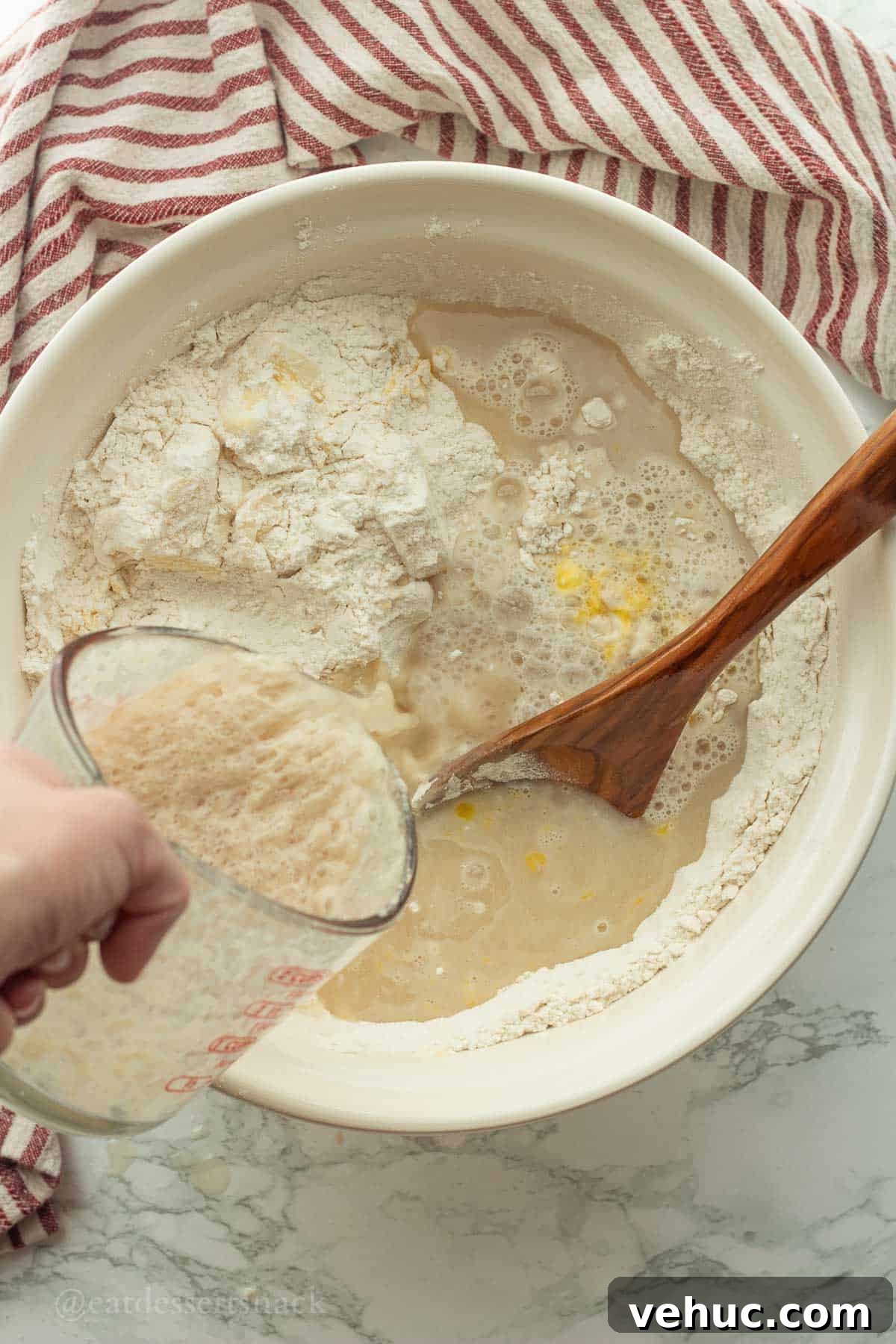
- Step 3. Pour the yeast mixture into the flour mixture and knead until the dough is smooth and elastic—7–10 minutes by hand or 5–7 minutes with a mixer and dough hook. Transfer to an oiled bowl, cover, and let rise about 1 hour or until nearly doubled.
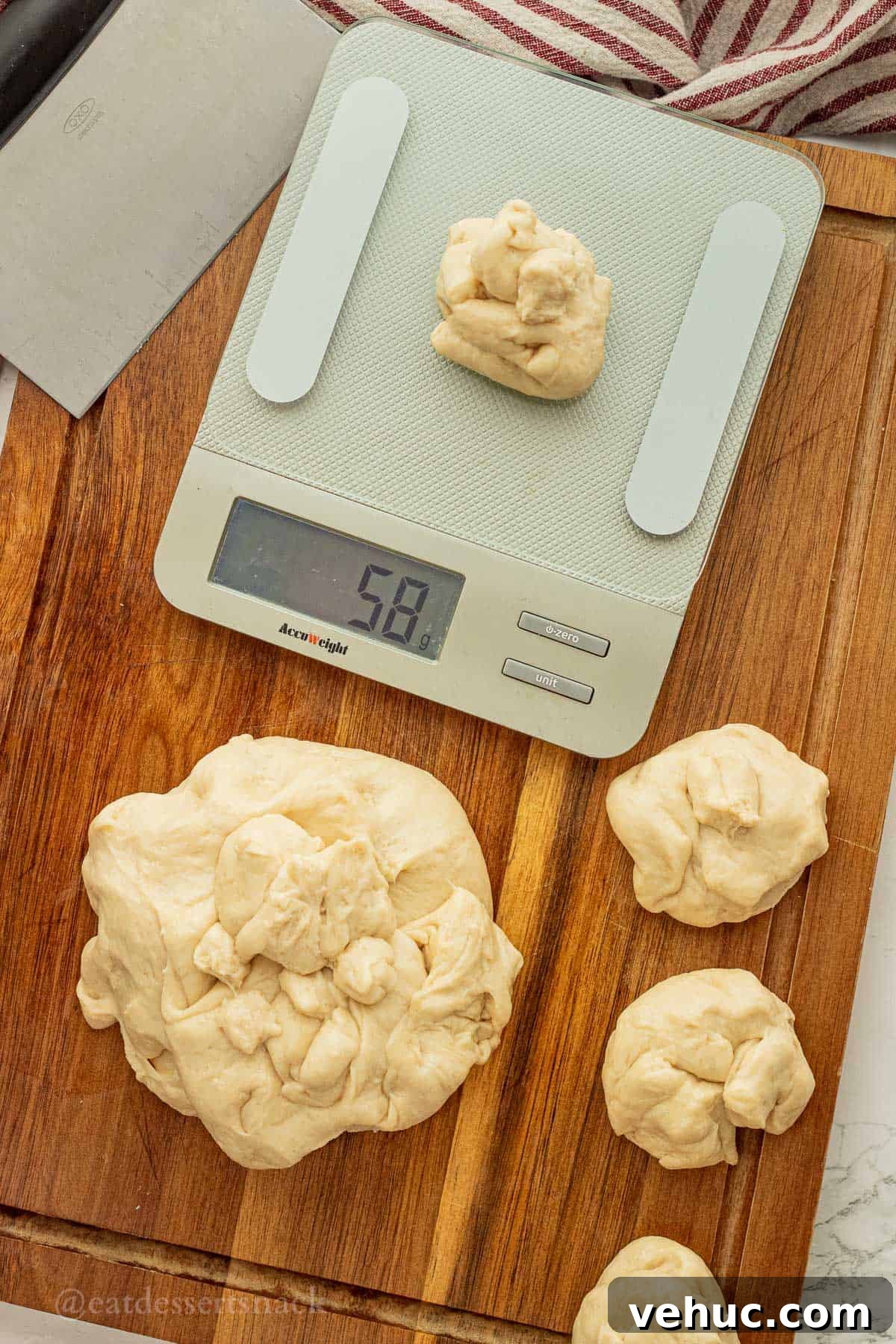
- Step 4. Divide the dough into even pieces. For 30 rolls aim for roughly 58–60 g each (golf-ball sized). For 24 rolls, about 72–73 g each; for 36 rolls, about 49–50 g each. Weighing the dough and dividing by the number of rolls makes this easy.
Tip: Cut and roll half the dough first, then finish the rest to keep the process manageable.
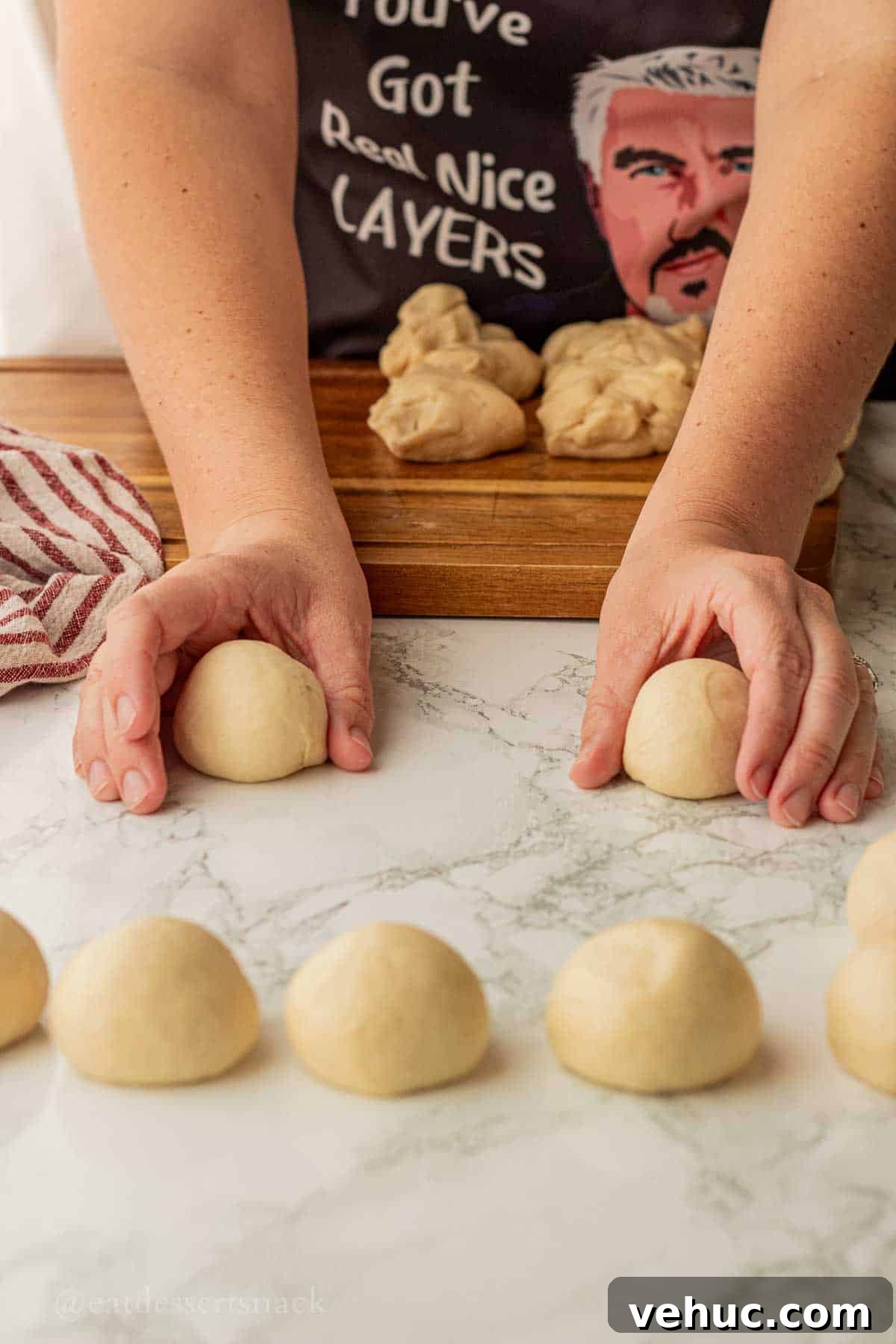
- Step 5. Shape each piece into a smooth ball by cupping your hand in a “C” shape and rotating the dough on the work surface. Apply gentle pressure so the edges tuck underneath and the top becomes smooth. Practice with both hands for speed and consistency.
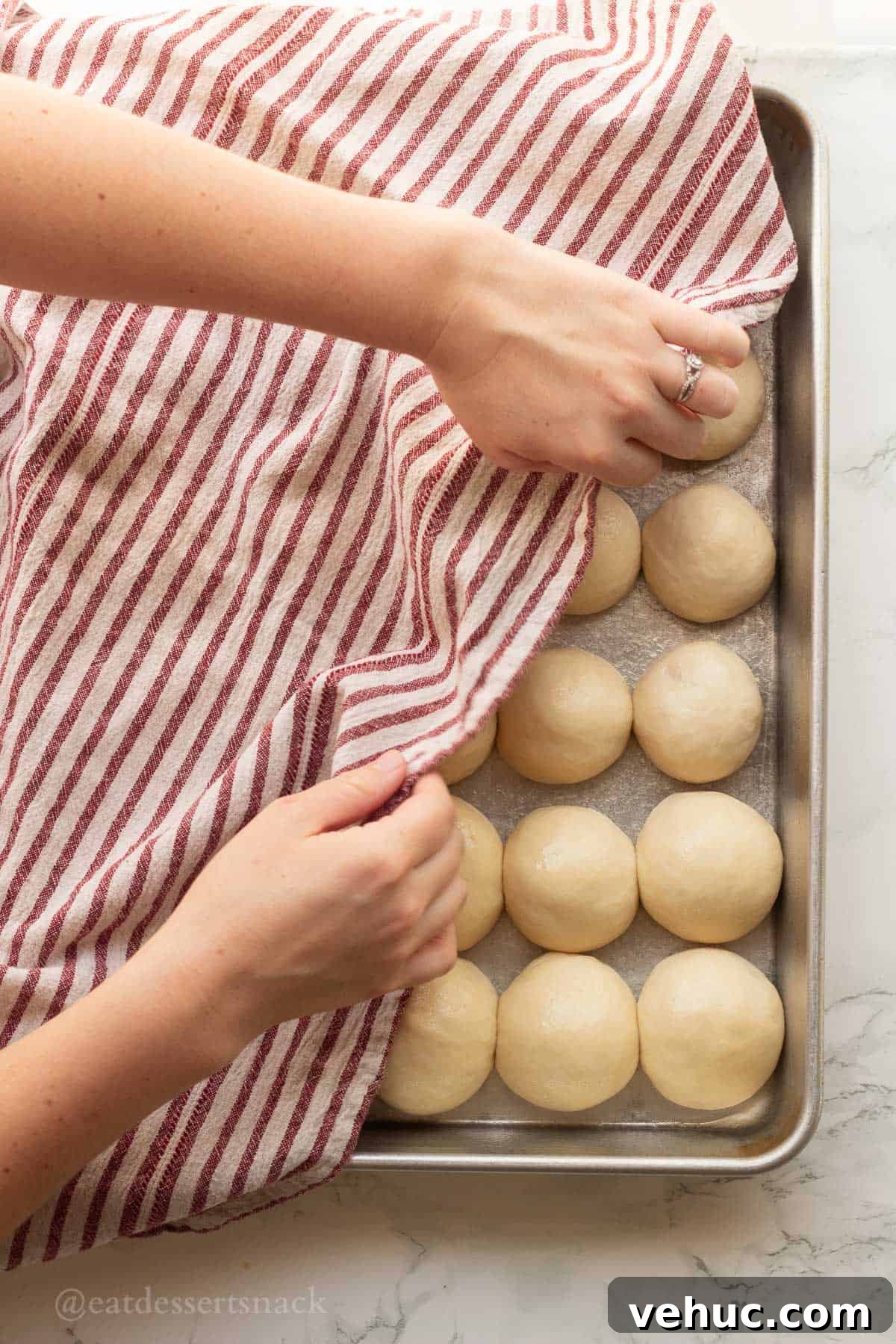
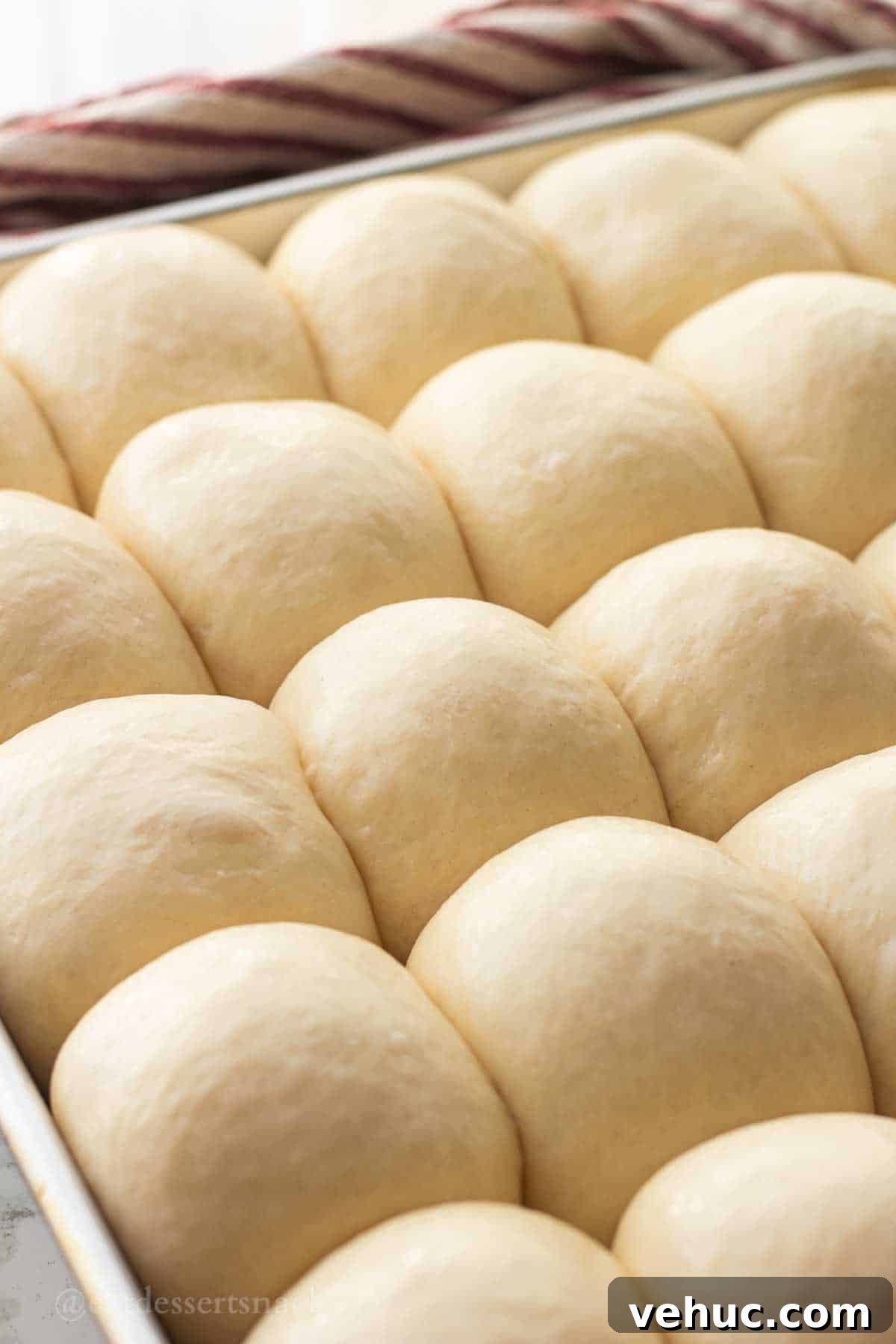
- Step 6. Place rolls in a greased 11 x 18-inch rimmed pan (about six rows of five). Lightly spray the dough so tops don’t dry out, cover, and let rise until doubled—about 1 hour. Preheat the oven to 375°F during the last 15–20 minutes of rising. Avoid overproofing to prevent collapse during baking.
Tip: Set a timer for 45 minutes so you can preheat the oven to 375°F for the final 15–20 minutes of the rising time.
- Step 7. Bake on the bottom or middle oven rack at 375°F for 15–16 minutes until golden and the bottoms are nicely browned.
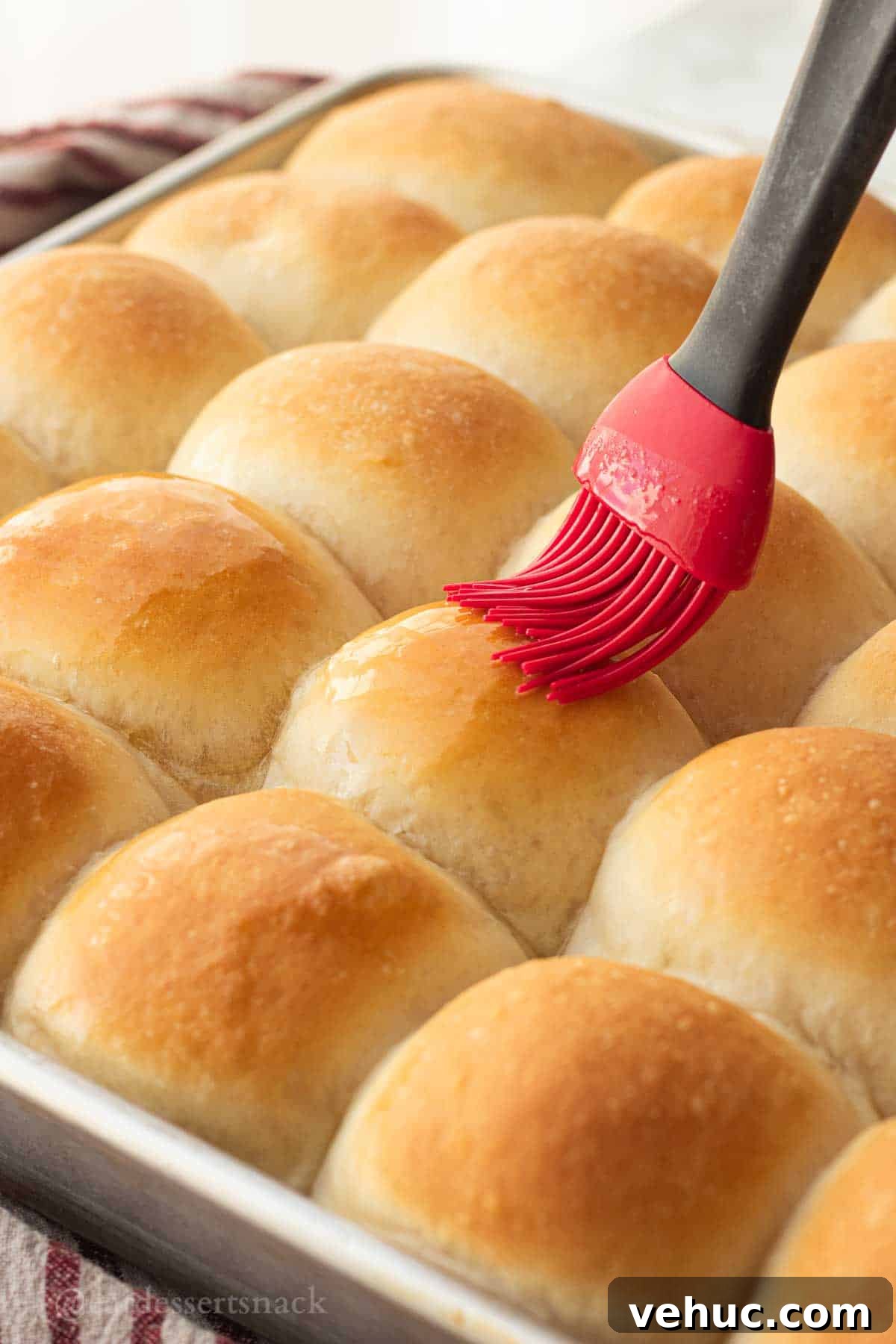
- Step 8. Brush the hot rolls with 2–3 tablespoons melted butter (or rub a butter stick directly on the tops) for a soft, shiny finish.
⏲️ Make Ahead / Overnight Instructions
- Make the dough and complete the first rise.
- Shape the rolls and lightly spray them to prevent drying.
- Cover with plastic wrap and refrigerate the pan of dough balls overnight.
- The next day, allow 1–3 hours (depending on room temperature) for the rolls to come to room temperature and double before baking.
- Bake as directed once they’ve fully risen.
📌 Top Tips & Hacks
- Weigh flour: Using a kitchen scale gives the most consistent results—flour is easy to overpack when measured by volume.
- Test your scale: Use a stick of butter labeled weight to confirm accuracy (one stick = 113 g).
- Shaping practice: Watch a short demo or practice the “C” hand motion—rolling becomes fast and efficient with repetition.
- Keep rolls soft: The butter and eggs enrich the dough; brush with melted butter after baking to maintain tenderness.
❓ Frequently Asked Questions
The issue is usually yeast-related: water too hot can kill yeast, too little rising time leaves the dough dense, and overproofing can cause collapse during baking. Aim for proper yeast activation and two complete rises.
Room temperature around 70–77°F (21–25°C) is ideal. Cooler temps slow rising; warmer can speed it up or risk killing yeast.
Yes—freeze up to 3 months, baked or raw. For raw dough balls: shape, freeze individually, then thaw and let rise 4–5 hours before baking. A slightly warmed area speeds thawing and proofing.
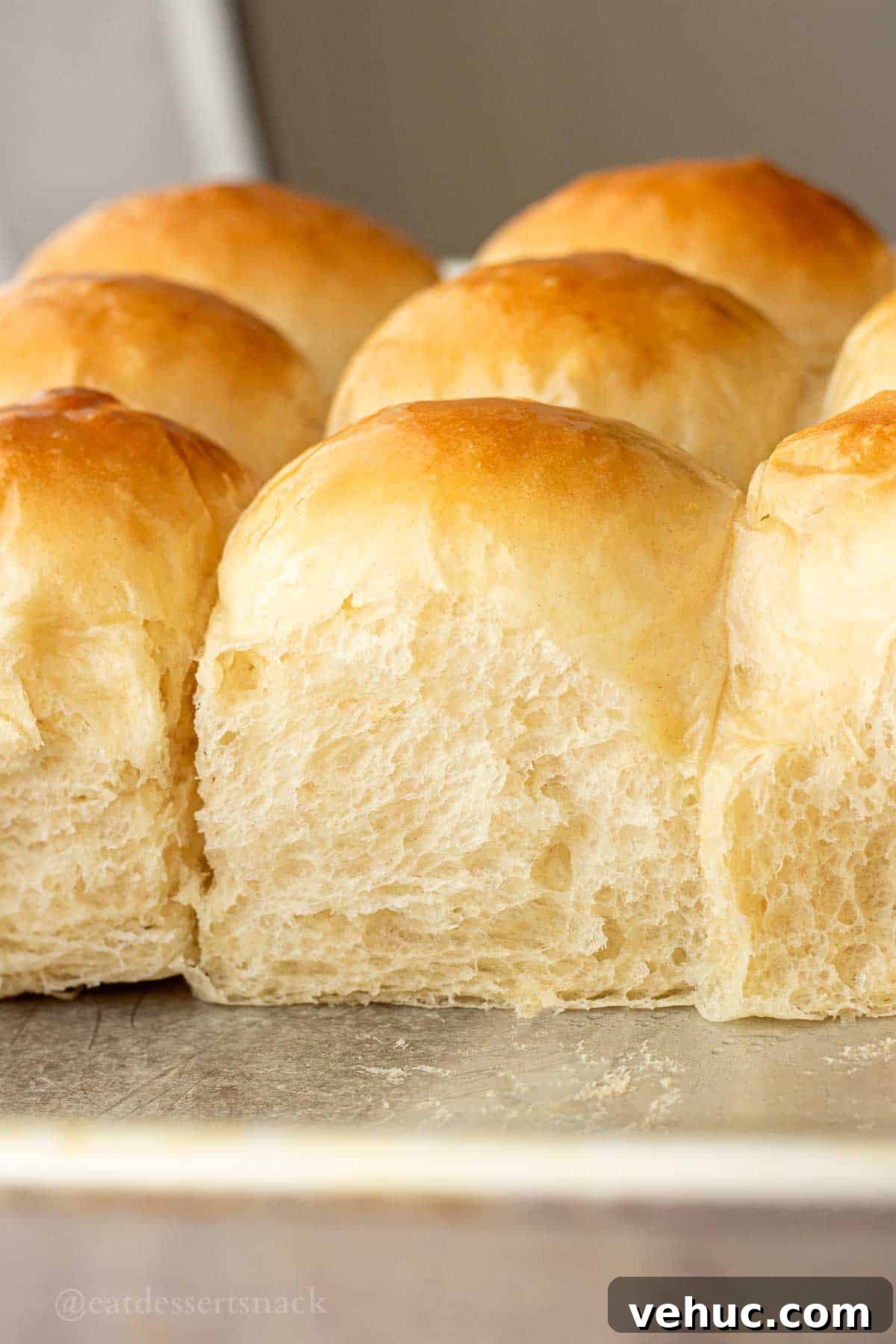
Enriched dough (butter and eggs), proper kneading, and two rises help keep rolls soft for several days. Brushing with butter after baking also helps.
Store in an airtight container at room temperature. If they dry out, place a few slices of fresh soft bread in the container overnight to rehydrate them slightly.
Room temperature: about 3 days. Frozen (baked): up to 3 months.
Microwave for 5–10 seconds or warm covered in foil in the oven at 350°F for about 10 minutes.
🥖 More Delicious Bread Recipes
-
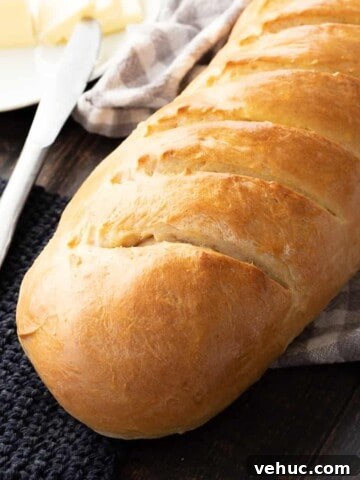
Soft Fluffy French Bread
-
Garlic Cheddar Drop Biscuits
-
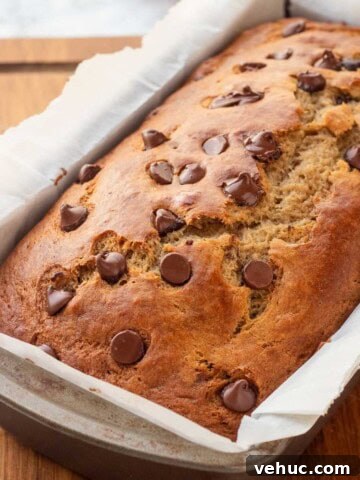
Sourdough Discard Banana Bread
-
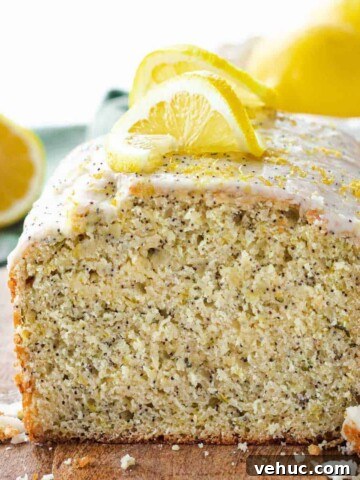
Lemon Poppy Seed Zucchini Bread

Did You Try This Recipe? Leave a star rating and a comment if you made the rolls—feedback helps other bakers and is appreciated. Share with family and friends if you enjoyed them.
📝 Printable Recipe

Old Fashioned Yeast Rolls
Ingredients
- 2 cups warm water (100–110°F) — 475 mL
- 1/4 cup honey — 85 g
- 4 teaspoons active dry yeast — 14 g
- 1/2 cup salted butter, softened — 113 g
- 2 eggs
- 2 1/2 teaspoons salt
- 7 cups all-purpose flour — 1000 g
- 3–4 tablespoons melted butter for brushing
Instructions
- Combine warm water, honey, and yeast in a bowl. Let rest 5 minutes until foamy.
- In a large bowl, mix softened butter, eggs, salt, and flour. Weigh flour if possible for consistency.
- Add the yeast mixture and knead until elastic and smooth (7–10 minutes by hand or 5–7 minutes with a mixer). Transfer to an oiled bowl, cover, and let rise until nearly doubled, about 1 hour.
- Divide dough into desired number of portions (30 pieces ≈ 58–60 g each). Shape into smooth balls.
- Arrange rolls in a greased 11 x 18-inch rimmed pan. Lightly spray, cover, and let rise until doubled, about 1 hour. Preheat oven to 375°F during the last 15–20 minutes of rising.
- Bake at 375°F for 15–16 minutes until golden and bottoms are browned.
- Brush hot rolls with 2–3 tablespoons melted butter or rub with a butter stick before serving.
Notes
Tip: Set a 45-minute timer during the second rise so you can preheat the oven for the final 15 minutes.
Portion sizes: 24 rolls ≈ 72–73 g each; 30 rolls ≈ 58–60 g each; 36 rolls ≈ 49–50 g each.
Freezing: Freeze baked or raw rolls up to 3 months. For raw dough balls: shape, freeze individually, then thaw and let rise 4–5 hours before baking. A warmed area speeds thawing.
Nutrition
Carbohydrates: 25 g
Protein: 4 g
Fat: 4 g