Here’s a curated list of baking essentials and must-have tools that will simplify your time in the kitchen. This guide is especially useful for beginner bakers who want to invest in reliable equipment for future projects. (Note: product links and storefront references have been removed from this version.)
Over the years I’ve collected many baking tools—some have become indispensable, while others turned out to be unnecessary. I compiled this list to help you avoid unnecessary purchases and focus on practical items that will actually improve your baking results.
For measuring baking ingredients
Accurate measurement is the foundation of successful baking. The following tools cover both dry and liquid measurements and will help you achieve consistent results:
- Kitchen scale — A reliable digital kitchen scale is essential for weighing flour, sugar, and other ingredients. Baking by weight is more accurate and consistent than volume measurements.
- Liquid measuring cups — A set of clear, graduated liquid measuring cups is handy for measuring milk, oil, and other liquids.
- Dry measuring cups — If you still measure dry ingredients by volume, keep a set of nested dry measuring cups for flour, sugar, and other dry components.
- Measuring spoons — A full set of measuring spoons down to 1/8 teaspoon is useful for small quantities like baking soda, baking powder, and salt.
Keep a conversion chart or reference handy for converting between cups and grams, and learn how to use each tool properly for consistent measurements.
Consider keeping a comprehensive baking conversion chart or bundle to cover ingredient conversions, pan volumes, temperature equivalents, and more.
For mixing
Mixing can be done by hand, but small appliances and a few essential hand tools make the work faster and more consistent:
- Stand mixer — Great for doughs, batters, and heavy-duty tasks. A 4 to 6 quart mixer covers most home baking needs; larger mixers work better for bread or bulk batches.
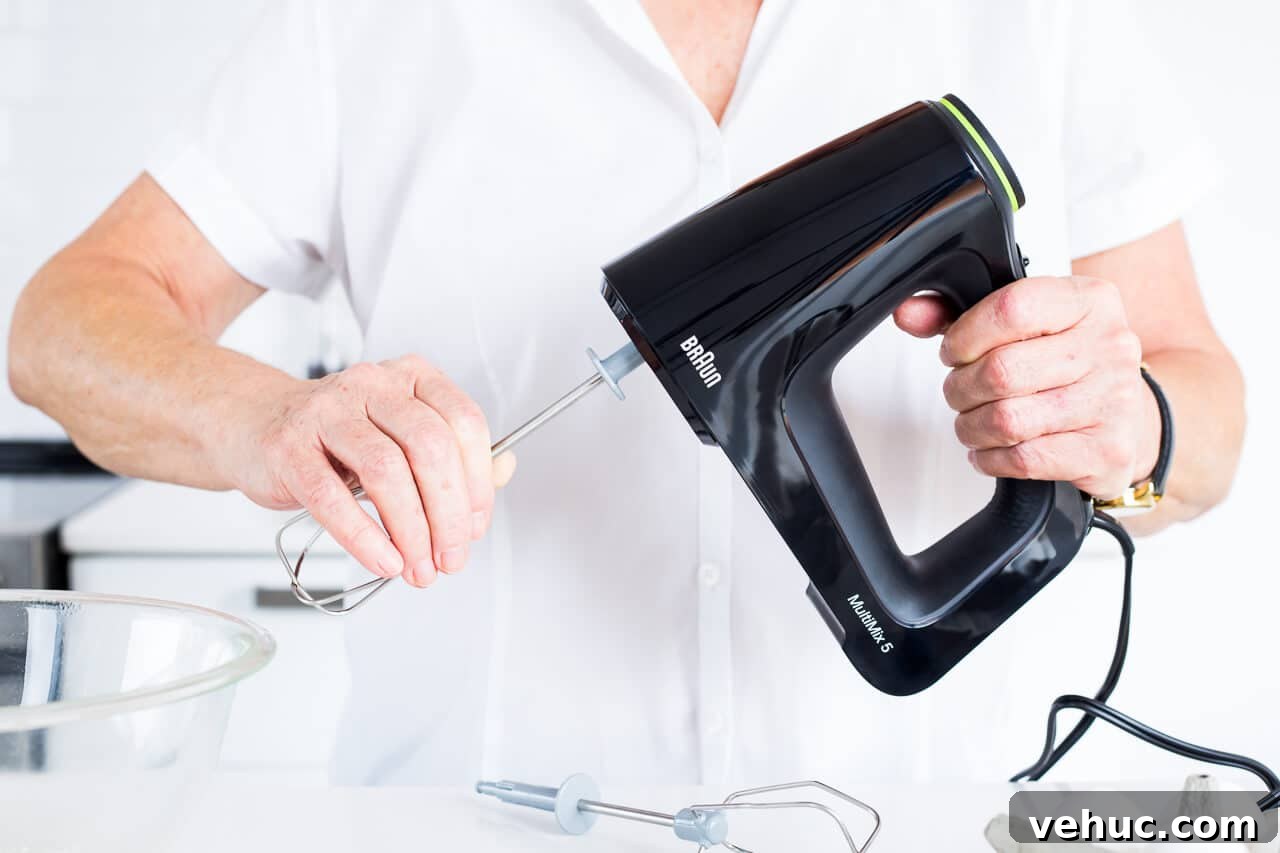
- Hand mixer — Handy for smaller batches when a stand mixer feels too large or heavy to use.
- Food processor — Speeds up tasks like making pie dough, shortcrust pastry, and some quick batters. It’s a time-saver for pastry work.
- Immersion blender — Useful for emulsifying ganache, blending fillings, or smoothing sauces and custards.
You’ll also want a few quality hand tools:
- Whisk — Invest in a sturdy balloon whisk for aerating batters and whipping creams without shedding or rusting.
- Heat-resistant spatula — Choose a flexible, heat-safe spatula for stirring custards on the stovetop and folding batters.
- Wooden spoon — A pointed-corner wooden spoon is excellent for scraping edges of pots and mixing by hand.
- Bench scraper — Indispensable for scraping dough from bowls, portioning, and cleaning your work surface after rolling pastry.
Pans for baking quick breads, muffins, brownies, and cakes
- Loaf pan — A standard loaf pan works for quick breads and loaf cakes; slightly different dimensions can change bake times, so choose one you use frequently.
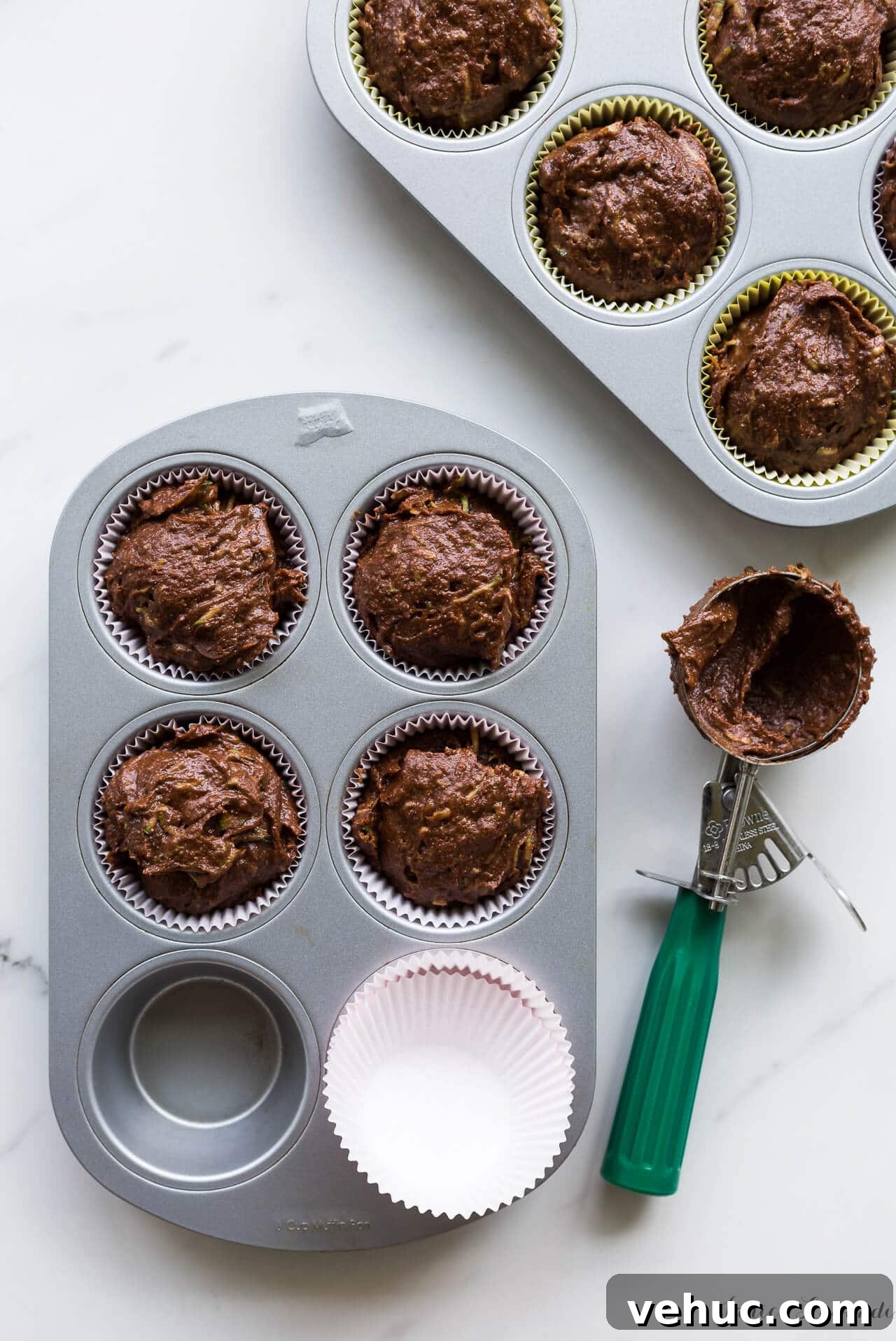
- Muffin pan — A 12-cup muffin pan is convenient; it reduces the need to run multiple batches.
- Square pans for bars and brownies — A 9×9 pan is a versatile starting point; smaller sizes are useful for smaller batches.
- Round cake pans for layer cakes — Light aluminum pans are efficient and often produce even browning. Owning multiple pans of the same size lets you bake layers simultaneously.
- Sheet pans — Keep at least two half-sheet pans and, if possible, a few quarter-sheet pans for cookies, roasting, and layered projects. Heavy, warp-resistant pans perform best.
- Parchment paper — A roll of parchment is essential: line pans, protect bottoms of cakes, and prevent sticking when baking cookies and bars.
Measuring pan volumes and understanding equivalent pan sizes helps when converting recipes. A pan volume calculator or workbook can save you time when adapting recipes to different-sized bakeware.
Tools for making pies and tarts
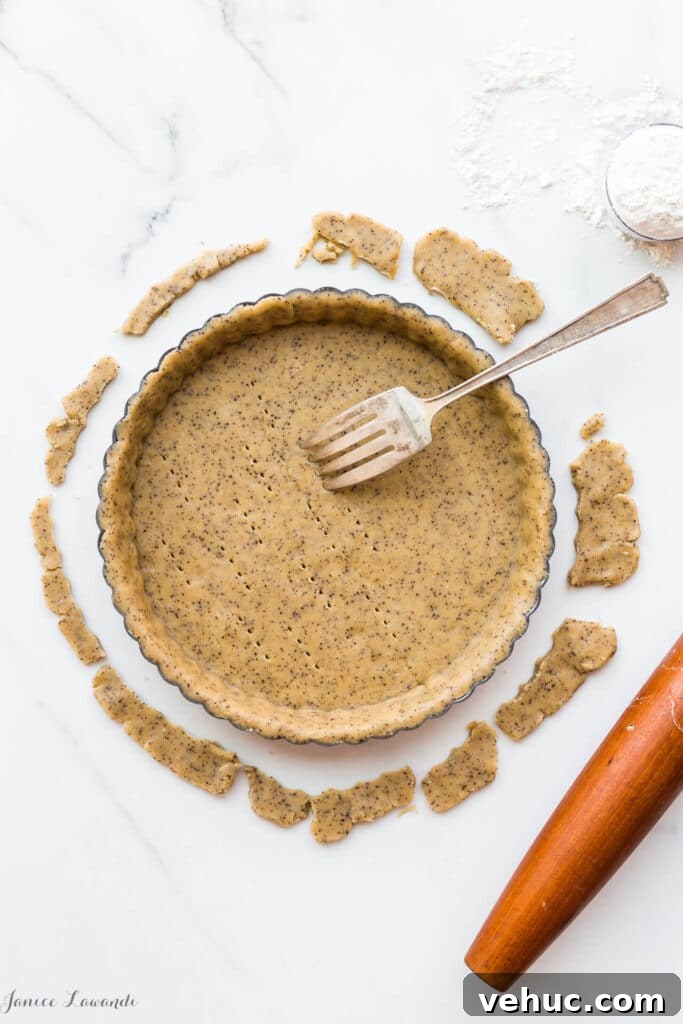
- Tart pan with removable bottom — Ideal for elegant tarts that need to be unmolded cleanly.
- Metal pie plates — Metal conducts heat well and helps achieve a golden, crisp bottom crust compared with some glass dishes.
- Pie weights — Useful for blind baking. If you don’t have specialized weights, dried beans, rice, or sugar can be used in a pinch.
- Rolling pin — French-style tapered rolling pins offer good control for pastry, while straight rolling pins suit other preferences.
Specialty pans
- Bundt pans — Decorative bundt pans produce beautiful, ornate cakes and are a great way to dress up a simple batter.
- Madeleine pan — A small specialty pan for classic shell-shaped madeleines.
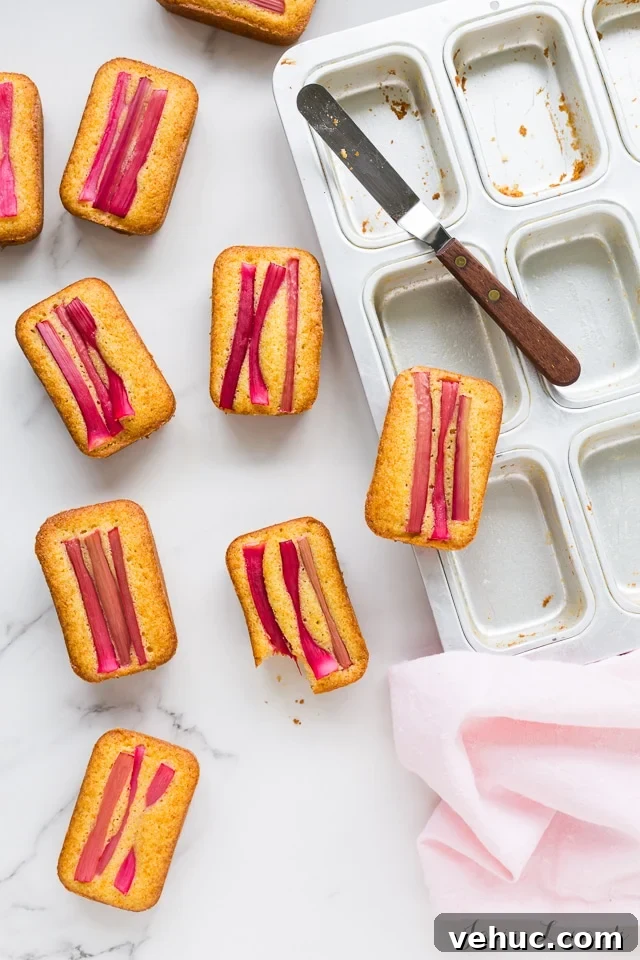
- Mini loaf pans — Great for individual loaf cakes and portioned treats.
- Mini tart pans — Useful for bite-sized tarts and desserts; having several makes batch work faster.
Tools for making cakes
- Mini offset spatula — Handy for small smoothing tasks, filling, and working on delicate areas.
- Piping bags — Reusable or disposable bags in larger sizes are versatile for piping batters, choux, and frostings.
- Star piping tip (e.g., 1M) — Great for rosettes, stars, and classic decorations on cupcakes and cakes.
- Turntable — A sturdy, smooth-turning cake turntable makes frosting and decorating faster and more precise.
Tools for candy making
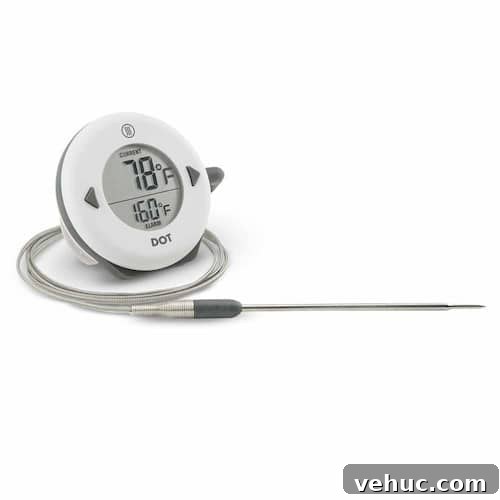
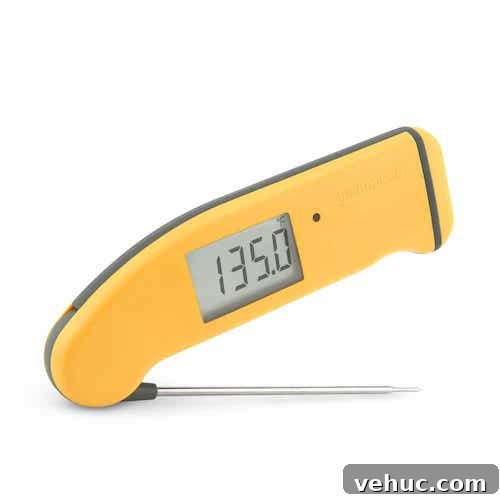
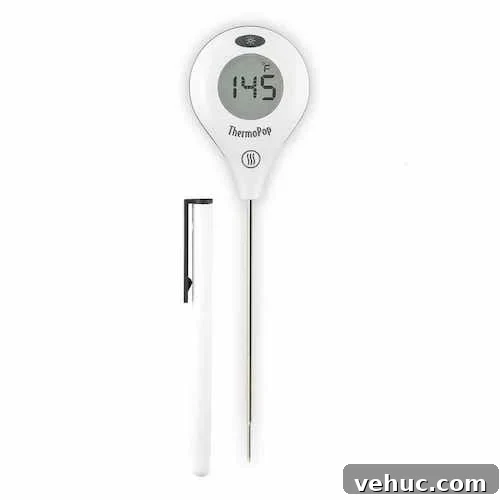
- Instant-read thermometer — Fast, accurate temperature readings are crucial for candy-making, caramels, and sugar work. A probe thermometer with a cable is useful when you need to monitor temperature over time while keeping hands away from hot sugar.
Specialty tools
These items are optional but very helpful for streamlined and professional-feeling results:
- Dishers (cookie/muffin scoops) — Ensure even portions and speed up scooping for cookies and muffins. Keep one small scoop for cookies and a larger one for muffins.
- Pastry brushes — Natural-bristle brushes are useful for egg washes, glazing, and dusting flour from pastry.
- Cookie cutters — A basic set of round cutters is versatile for cut-out cookies, linzer-style cookies, and small tart rings.
- Kitchen blow torch — Handy for caramelizing sugar on crème brûlée and finishing other desserts.
- Ice cream maker — A basic churn model or a self-contained machine is a lovely addition if you enjoy homemade ice cream and frozen desserts.
If you plan on canning jams and marmalades, add a proper canning kit with jars and lids to your supplies.
Other tools you should have in your kitchen that will be useful for baking
- Baking conversion charts — Useful for converting ingredient weights, pan sizes, and temperatures.
- Chef’s knife — Helpful for slicing slice-and-bake cookies and trimming dough.
- Serrated bread knife — Ideal for leveling and trimming cake layers; a longer blade (around 10 inches) makes trimming larger cakes easier.
- Pots and pans — A basic set of well-fitting pots and pans covers stovetop steps in many baking recipes.
- Fry pans — Versatile nonstick pans that can go in the oven are useful for recipes like Dutch babies.
- Mixing bowls — A set that ranges from small to very large gives you flexibility for whisking, folding, and mixing by hand.
- Dutch oven — A heavy Dutch oven is excellent for no-knead breads and other baked dishes that start on the stovetop and finish in the oven.
With these tools in your kitchen, you’ll be well-equipped to tackle most baking projects. Continue learning with baking science books and food podcasts to deepen your skills and understanding.
Need more help with cake pans?
Pan size and volume can be confusing. A baking pan conversions chart or calculator helps you swap pan sizes and adjust recipes reliably. If you bake frequently and experiment with pan types, a conversion reference will save you time and prevent guesswork.
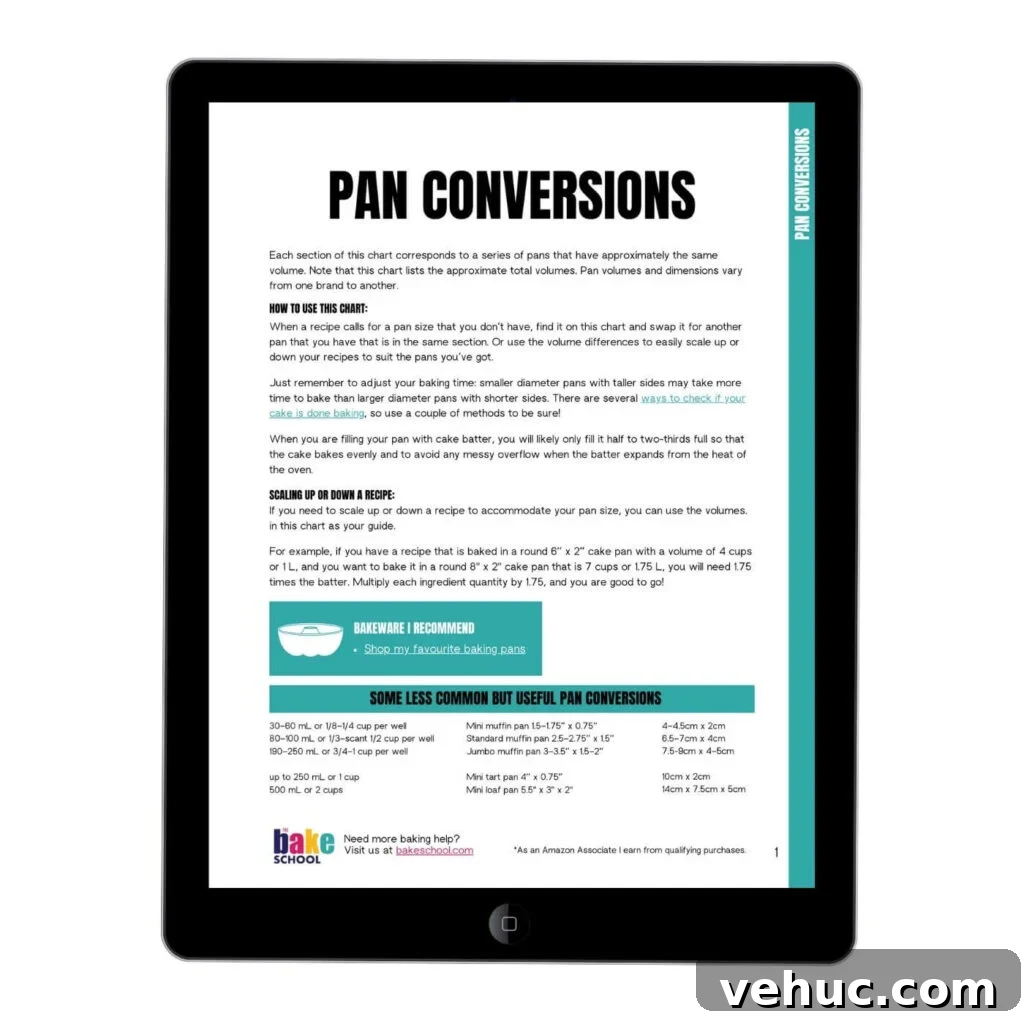
Pan conversions chart
Use a pan conversions chart to identify equivalent bakeware and to convert recipes between pan sizes. This makes it easier to adapt recipes and achieve even baking results.