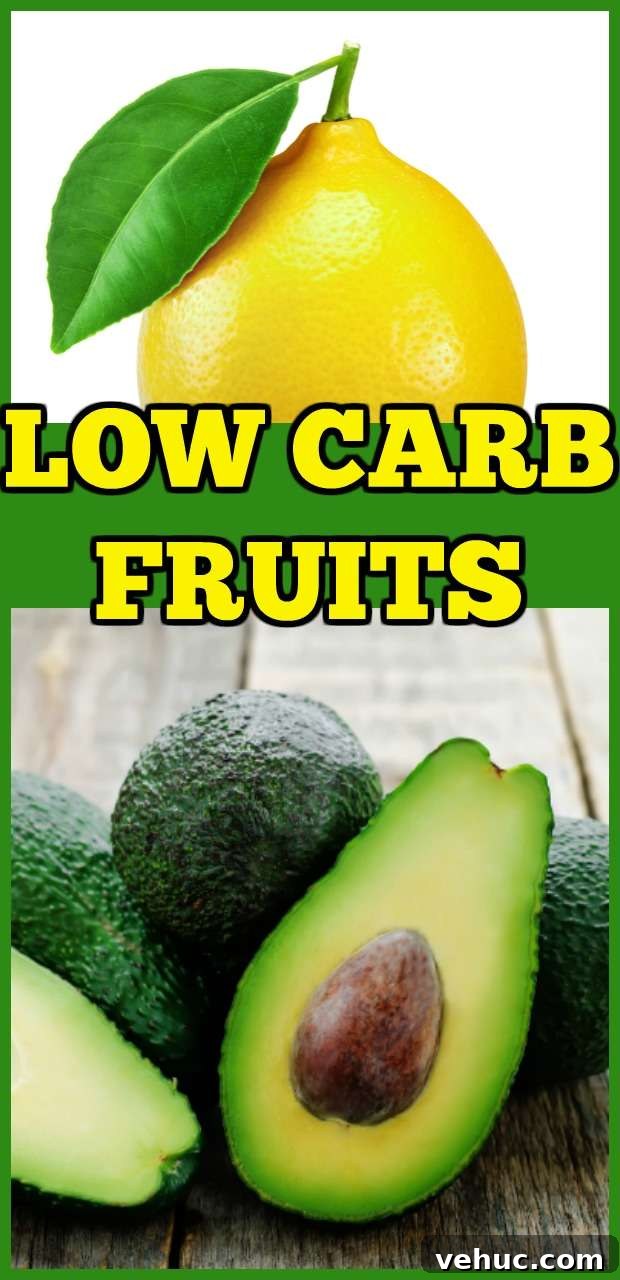
There is no such thing as “bad” fruit, but not all fruit fits well with a low-carb approach. Fruit contains natural sugars that are fine in moderation, yet can be problematic when you’re limiting carbohydrates for weight loss. Finding low carb fruits that satisfy cravings while staying within your goals can be a challenge.
On a low-carb diet, choosing the right fruits matters. Some fruits are high in sugar and quickly increase your carbohydrate intake, while others are lower in sugars and provide vitamins, fiber, and antioxidants without causing a major glucose spike. Below we explain the issues to watch for and list fruits that work best when you want to keep carbs low while still enjoying fresh flavors.
The Problem With Fruit
Fruit sugars are primarily fructose, a naturally occurring sugar that still affects blood glucose and insulin to varying degrees. Rapid rises in blood sugar are typically followed by a drop that can trigger cravings and hunger. Those hunger cycles can make it harder to stick with a low-carb plan and may interfere with your body’s ability to burn fat efficiently.
Remember that sugar is a carbohydrate. Because most fruit is low in protein and fat, eating fruit alone may not produce a lasting feeling of fullness. That can leave you reaching for more calories sooner than you expect, which is why portion size and pairing fruit with protein or healthy fats are useful strategies.
The Best Low Carb Fruits To Eat On Your Diet
When selecting fruit for a low-carb diet, focus on the carbohydrate and sugar content per serving. High-sugar fruits such as bananas, apples, peaches, and mangoes are better avoided or strictly limited on low-carb plans. Fruit juices and dried fruit concentrate sugars and carbs and should generally be avoided when you’re trying to stay under a carb target.
So Which Low Carb Fruits Are Safe?
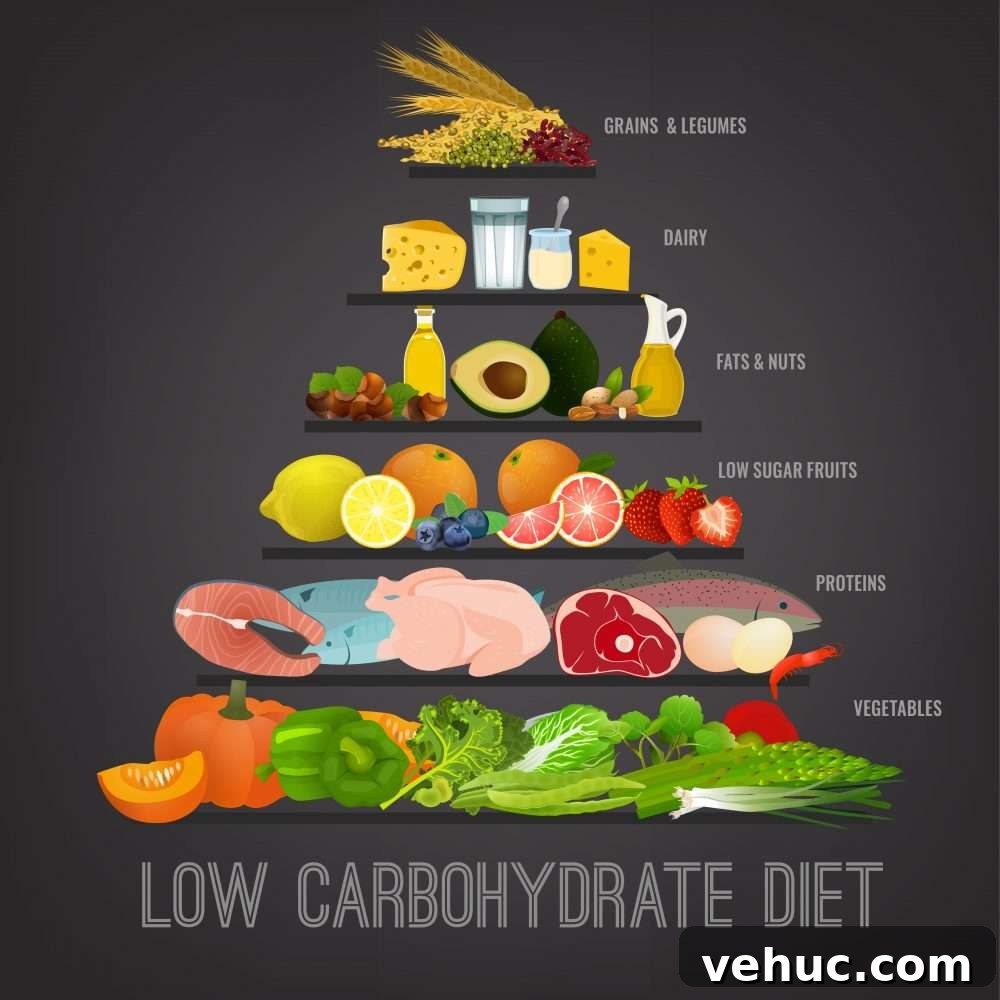
On many low-carb plans, carbohydrates are limited to around 10% of daily calories, often translating to fewer than 50 grams of carbs per day. To include fruit without exceeding your target, choose lower-carb options and keep portions modest. Some low-carb-friendly fruits include:
- Avocado (yes, it’s a fruit) — high in healthy fats and very low in net carbs
- Berries — strawberries, raspberries, and blackberries are lower in carbs and high in fiber
- Rhubarb — low in carbs when eaten in typical serving sizes
- Grapefruit — lower in sugar than many other citrus fruits, but watch portions
- Honeydew — relatively low-carb when eaten in small portions
- Apricot — best in small servings to control carbs
- Starfruit (carambola) — low in carbs and often suitable for low-carb diets
- Lemon — very low in carbs; great for flavoring water and dishes without adding many carbs
You Can Enjoy Low Carb Fruits Without Derailing Your Diet
Moderation and informed choices are the keys to including fruit on a low-carb diet without compromising results. Keep portions small, pair fruit with protein or healthy fats to increase satiety, and prioritize fruits that offer vitamins and fiber while keeping carbs lower. Use fruit to satisfy occasional cravings, and let the majority of your meals come from lean proteins, non-starchy vegetables, and healthy fats to support steady energy and appetite control.

Pin This to Your Low Carb Boards and Remember to FOLLOW ME ON PINTEREST