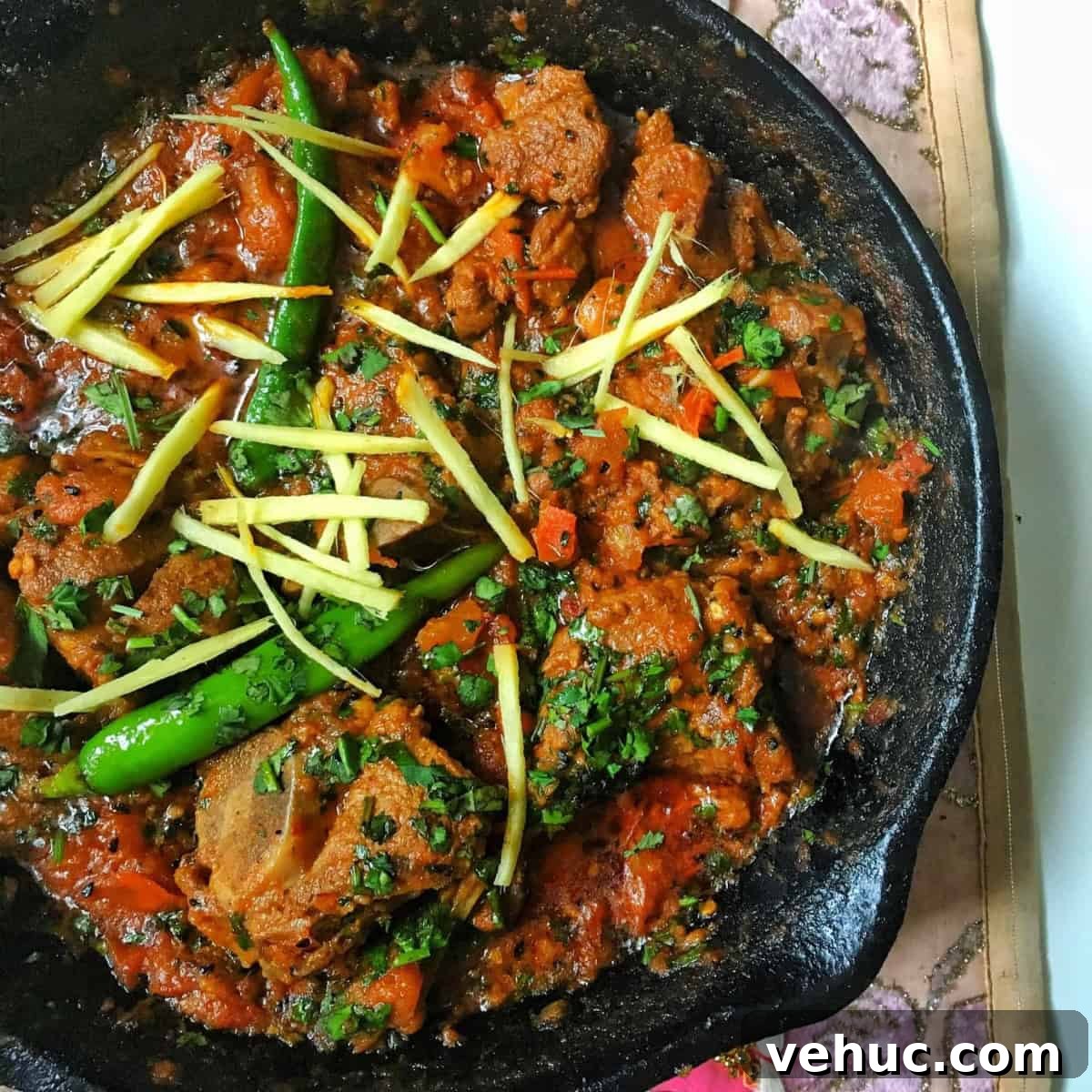
There are dishes in Pakistani cuisine that need no introduction: Biryani, Pilau, Korma. Equally iconic is a well-made mutton or lamb Karahi. Popular in dhabas and restaurants across Pakistan and often served at family gatherings, Karahi is a true classic of Pakistani home cooking.
I’ve written about the place Karahis hold in my family memories in my Chicken Karahi recipe. For many of us, a Karahi is the Desi equivalent of a Sunday roast: comforting, bold and celebratory.
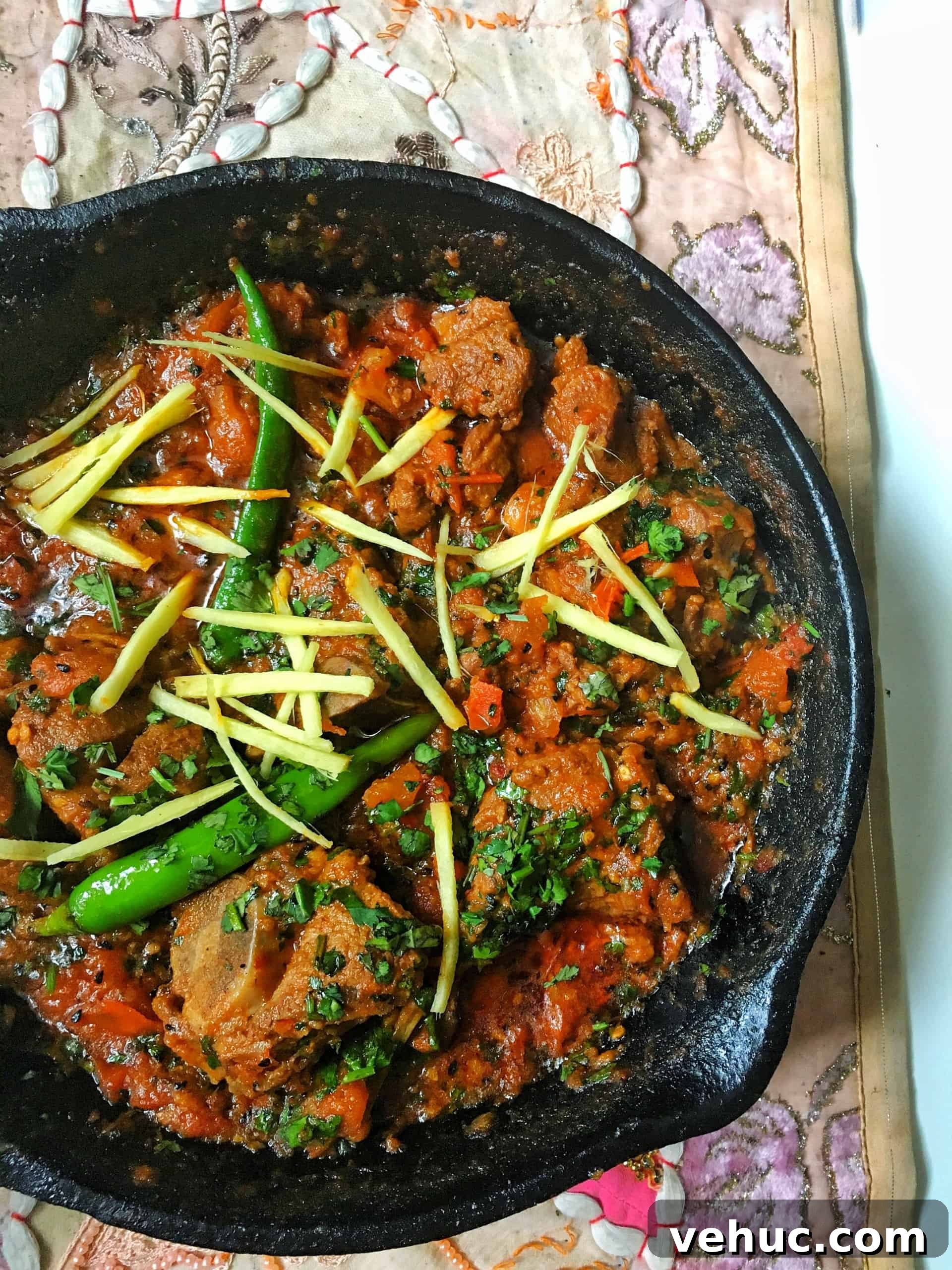
This post is the red-meat counterpart to the Chicken Karahi recipe — a version for both lamb and mutton. I combine them here because the method and flavours are the same; the main difference is cooking time. Lamb is more commonly used where I live in the UK, while mutton remains very popular in Pakistan and elsewhere. Either works well in this recipe.
🍅 What is a Karahi?
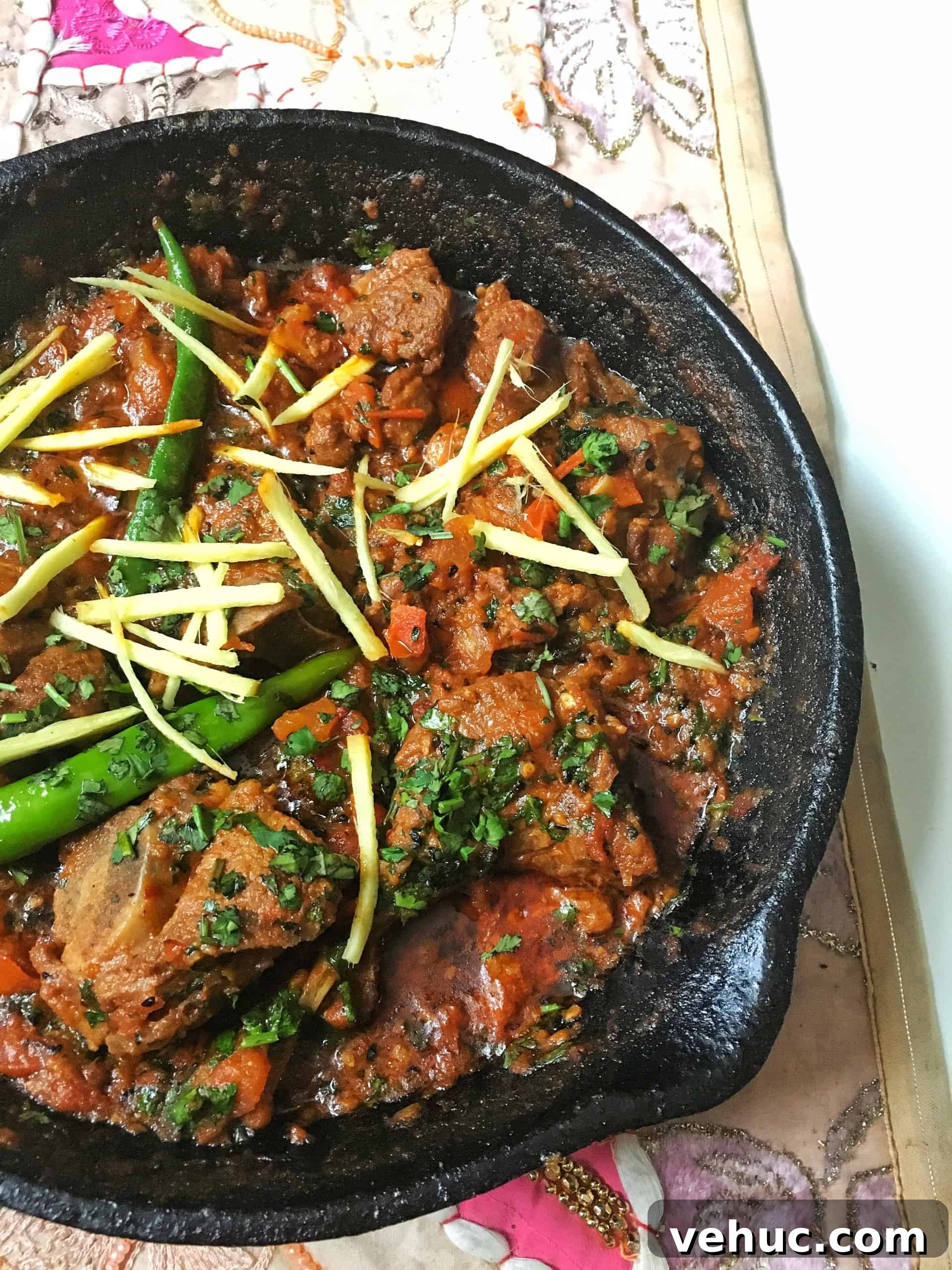
Briefly: Karahi takes its name from the rounded, wok-like pan traditionally used, but the defining characteristic is the sauce. A true Karahi is heavy on fresh tomatoes, ginger and garlic, and traditionally excludes onions and yogurt. That distinction separates it from other Pakistani curries such as Lamb Bhuna, Korma or Dopiaza, which rely on onions or yogurt for body and texture.
Over time, many restaurants and dhabas have adapted the Karahi, adding onions, yogurt or capsicum to bulk out the masala. Those additions can change the final flavour and texture considerably, which is why many people now associate “Karahi” with any thick, red curry. If you make the masala in the traditional way—with lots of fresh tomatoes, plenty of ginger and garlic—you’ll get the authentic bright, punchy flavour that makes a Karahi special.
If you’re wary of a curry without onions, don’t be. When prepared properly this masala is plentiful, rich and incredibly satisfying.
📌 Karahi Cooking Ground Rules
Some practical rules to get an authentic Karahi result:
- Use fresh ginger, garlic and tomatoes. Avoid tinned or jarred substitutes where possible—fresh ingredients give the bright, crisp flavours a Karahi relies on. Fresh coriander and green chilli also make a big difference.
- Don’t be shy with ginger and garlic. They bulk up the masala and deliver essential flavour. The recipe uses a whole bulb of garlic; you can increase the amounts if you prefer a stronger garlic or ginger presence.
- Adjust cook times to your meat. Meat type, cut and origin affect cooking time and moisture. The timings given are a guide; check the meat for tenderness and use your judgement.
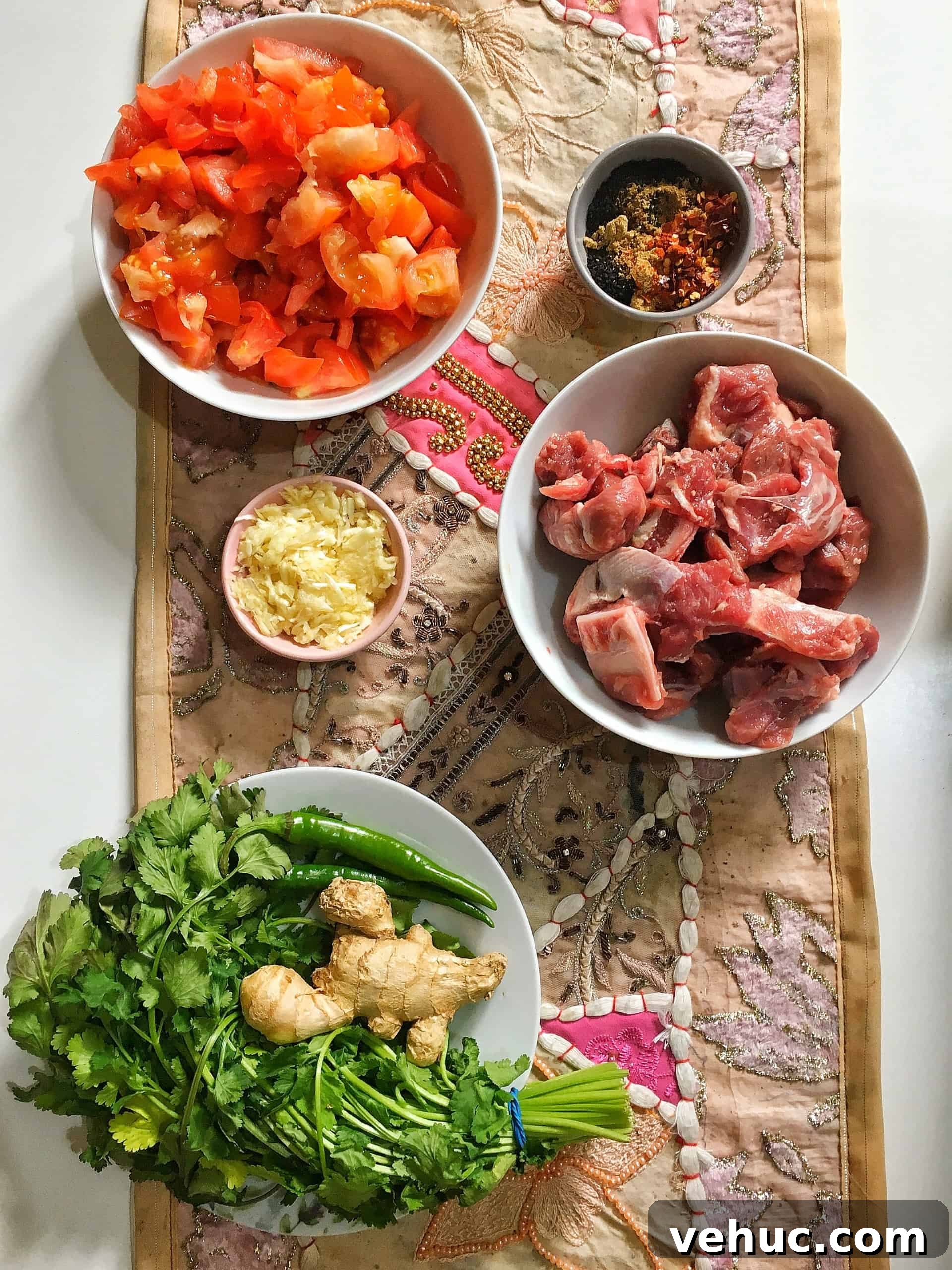
🥣 Method
Below are the key steps; full ingredient quantities and step-by-step instructions follow at the bottom.
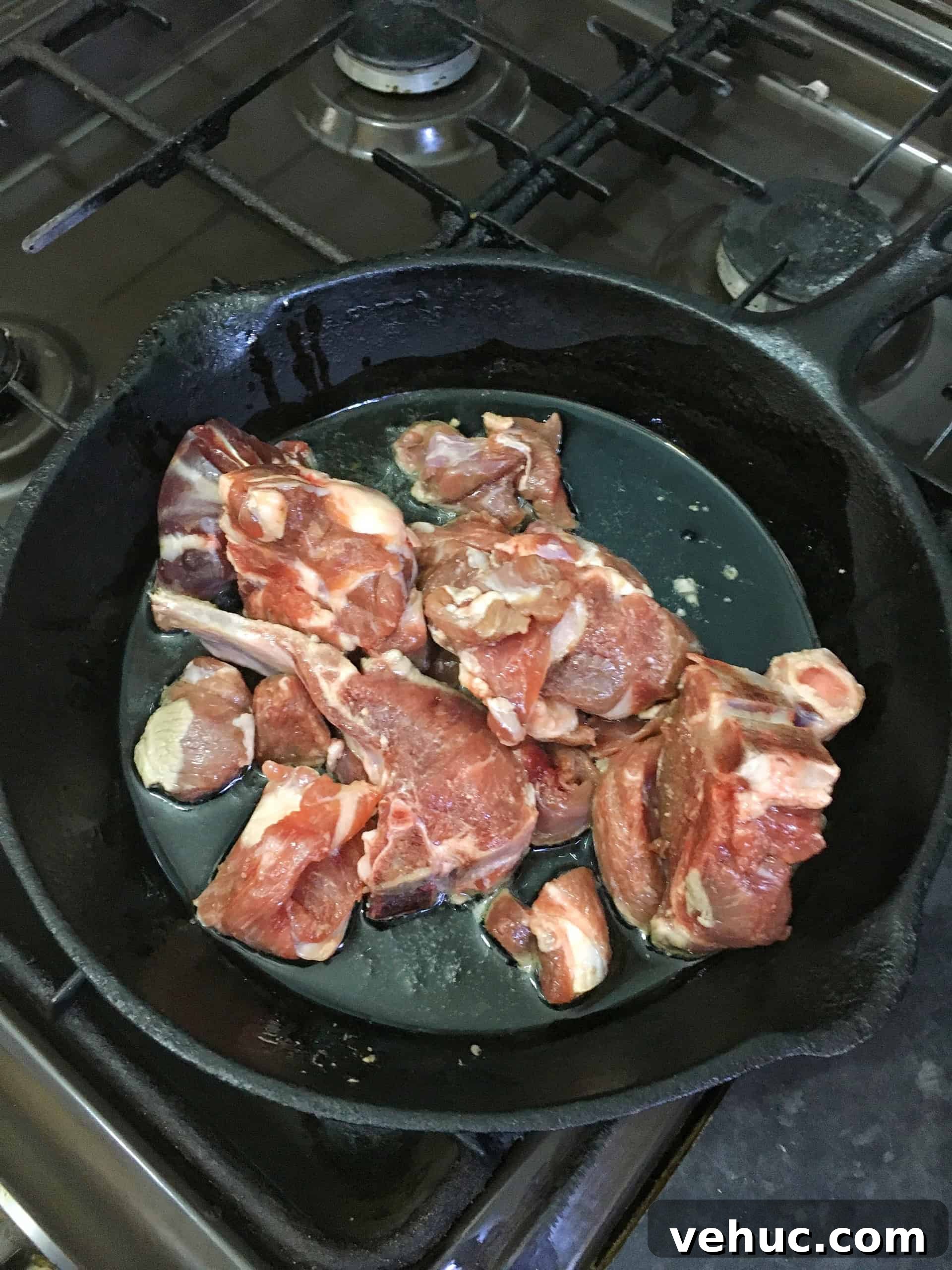
Begin by heating a wok, heavy skillet or karahi on high. Add the meat and fry, stirring constantly, until it loses its raw pink colour. Add freshly minced ginger and garlic and fry briefly for 1–2 minutes, taking care not to over-colour them.
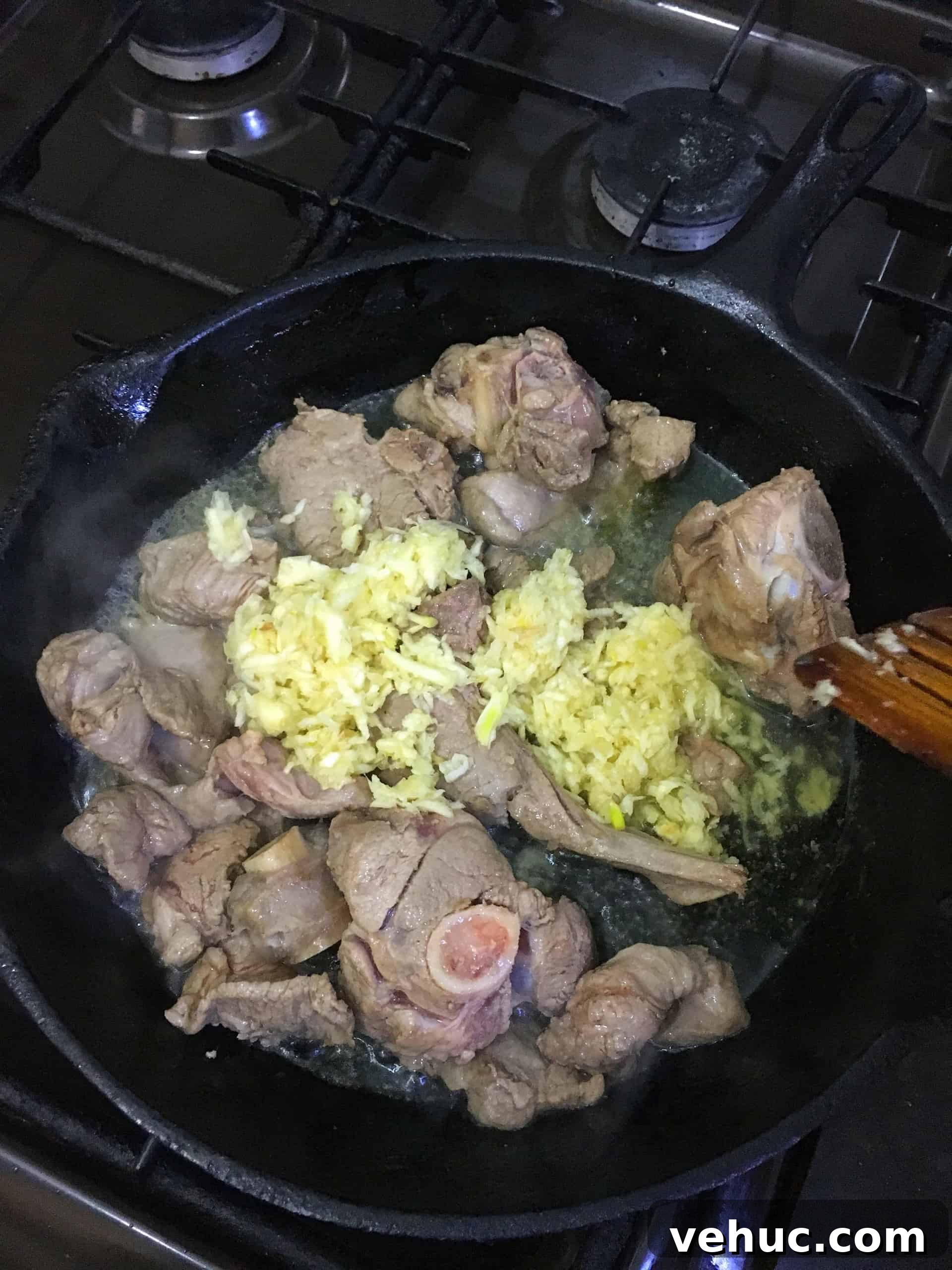
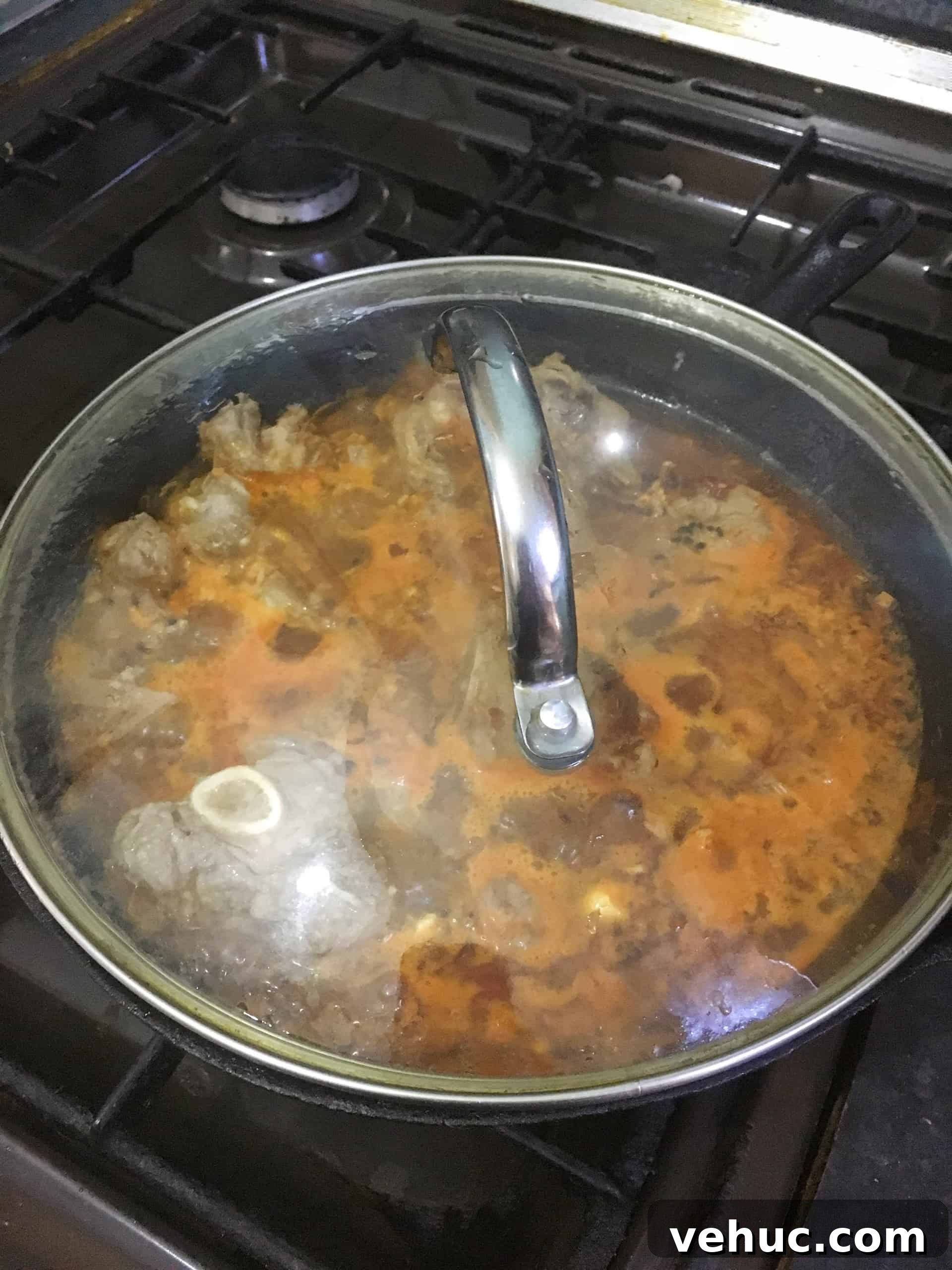
Next add the spices, salt and the amount of water recommended for your chosen meat. Cover and simmer on low until the meat is nearly cooked and most of the water has evaporated. If there is still excess liquid, raise the heat and evaporate it before proceeding.
Note: Water amounts and cooking times vary depending on meat toughness, altitude and other factors. The recipe timings worked in my kitchen; adjust as needed where you are. If the meat remains tough, simmer longer with the lid on. If the pan is too dry, add a little water. If there’s too much moisture before adding tomatoes, dry it out on high heat first.
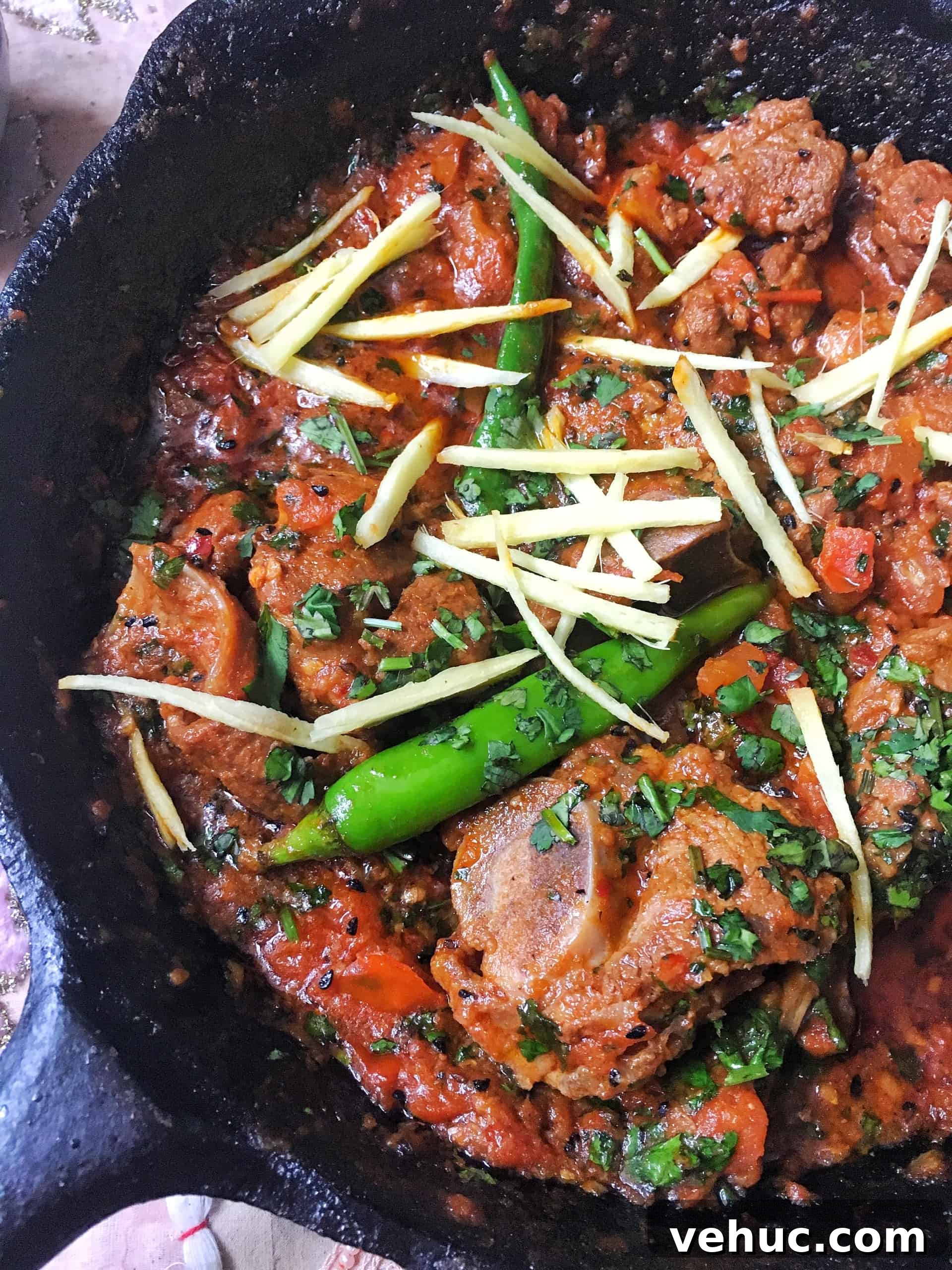
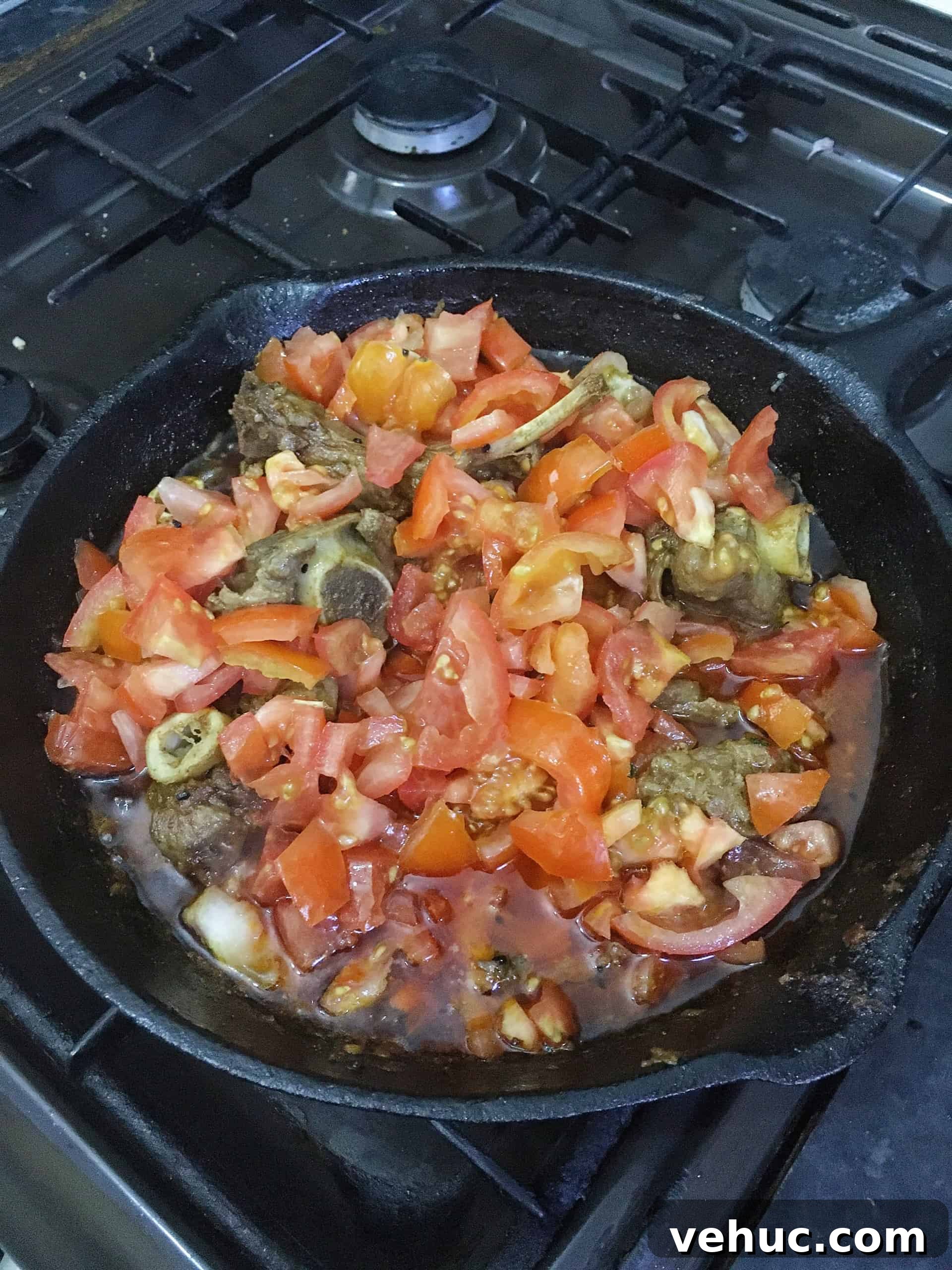
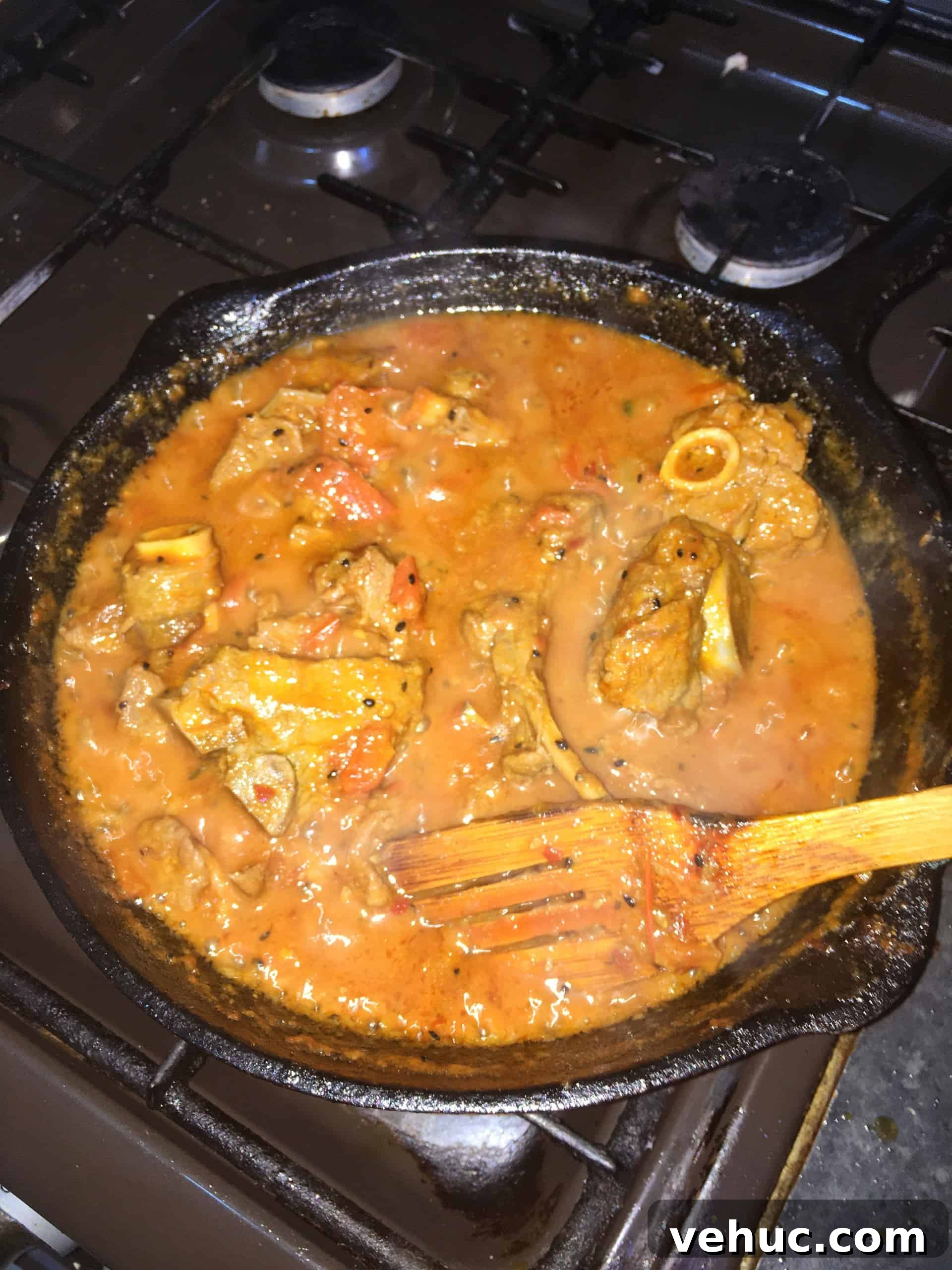
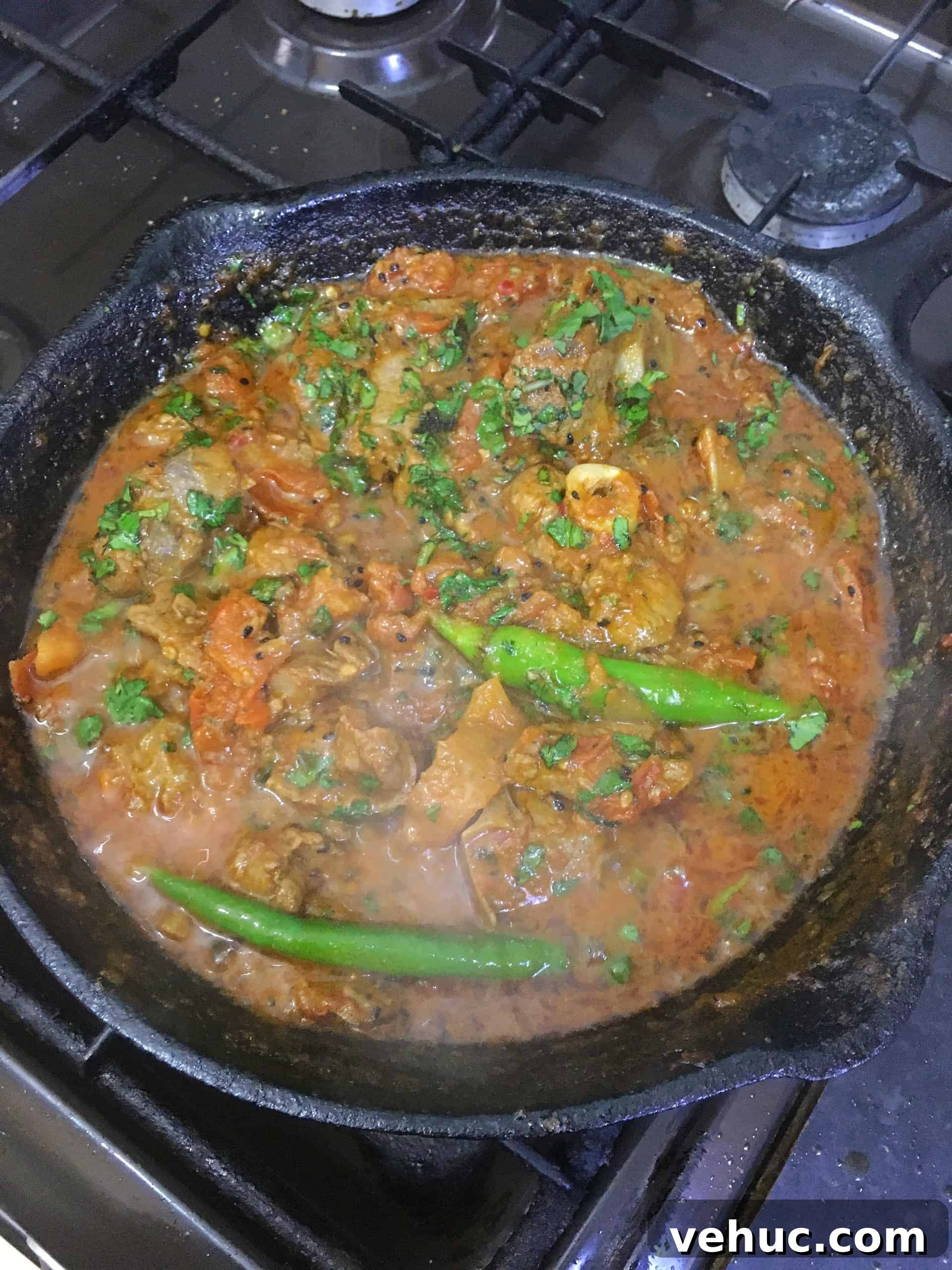
When the meat is nearly done, add the diced fresh tomatoes and cook on high without the lid, stirring often. The tomatoes will release a lot of juice—this is normal. Continue stirring and reduce the sauce until it becomes thick, jammy and glossy. When the oil begins to separate and rise at the edges, add chopped coriander and green chillies, lower the heat and simmer uncovered for five minutes.
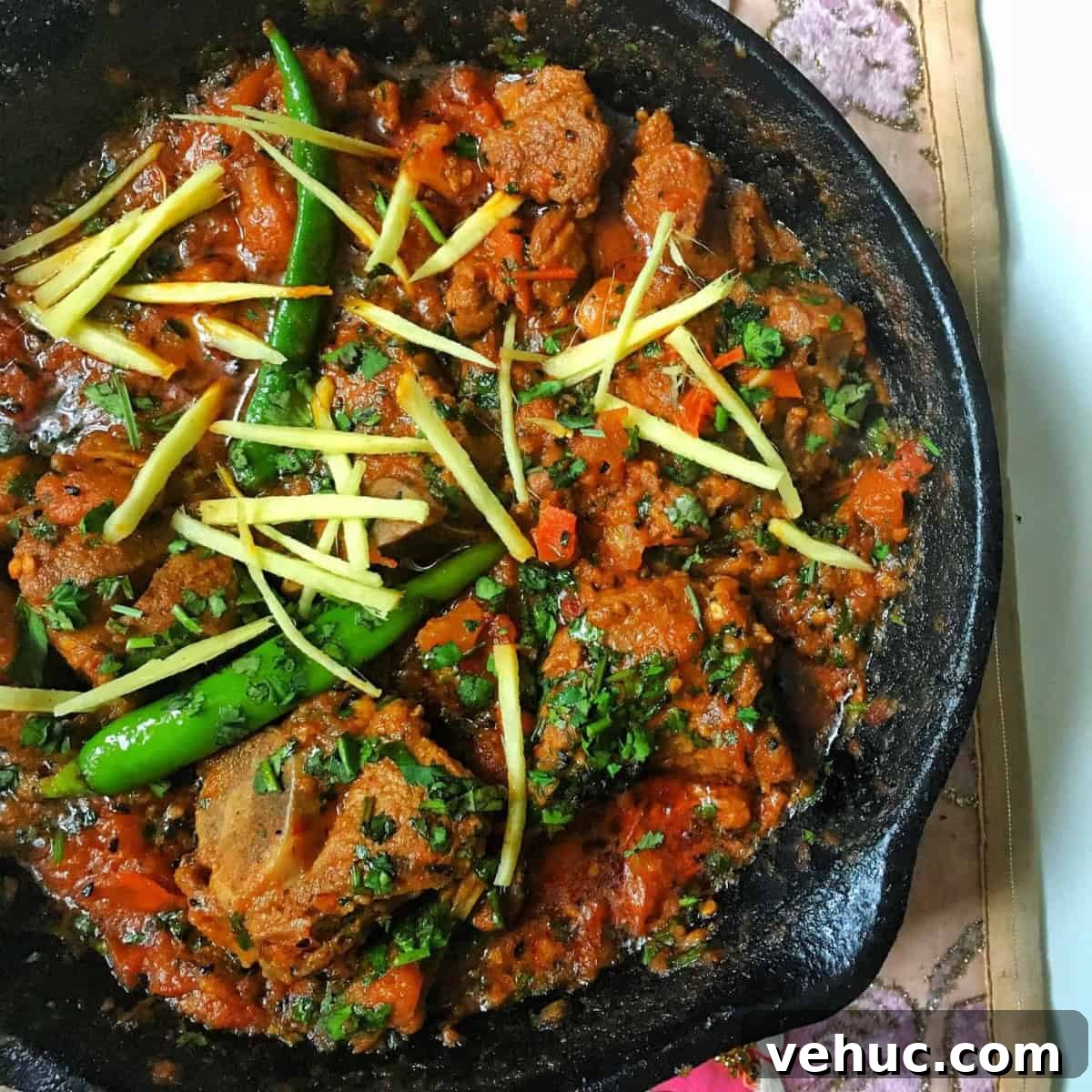
Finish with extra chopped coriander and matchstick-cut ginger on top. Serve hot with naan, a crisp salad and your favourite beverage.
⏱️Instant Pot instructions
To adapt this for an Instant Pot:
- Sauté the meat, then add ginger and garlic as in the stovetop method.
- Add spices and the lower suggested water amounts. Pressure cook: 10 minutes for lamb, 20 minutes for mutton. Use quick release to avoid overcooking.
- If excess moisture remains, use Sauté mode to evaporate it before adding tomatoes.
- Finish by sautéing to reduce the tomato sauce as described above.
Not all electric pressure cookers achieve the high, intense sauté heat needed for a proper Karahi, so results may vary by model.
❓Frequently Asked Questions
Is there any difference between lamb and mutton? Which should I use?
Choose based on availability, cost and preference. Lamb cooks faster and is milder; mutton takes longer but yields a deeper, richer flavour.
Can I use beef?
Yes, but beef typically needs longer cooking. Add more water and extend the lid-on simmering until the beef is tender, then proceed with the tomato reduction.
Can I use boneless meat?
Bone-in meat gives more flavour and is recommended. If using boneless, reduce the covered cooking time and water by roughly 30 minutes and ½ cup (adjust as needed) and watch for tenderness before adding tomatoes.
What if I don’t have fresh ingredients?
You can substitute, but the fresh-tomato, fresh-ginger-and-garlic profile is central to a true Karahi. If possible, at least use fresh tomatoes rather than tinned for best flavour.
How can I bulk out the masala on a budget?
If necessary, substitute at most half the fresh tomatoes. Options include tomato purée (about 1 tablespoon purée per omitted tomato) or small amounts of yogurt (about 2 tablespoons yogurt per omitted tomato). A little finely diced onion, lightly fried until translucent, can also help stretch the sauce—but avoid browning the onion if you want a more traditional Karahi flavour.
🍽️Serving Suggestions
- Serve hot with naan and a cooling finely chopped salad.
- Pair with a soupy lentil like tadka dal to balance the dry sauce, or a raita for a cooling contrast.
- For a KPK/Afghan-style spread, offer Kabuli Pulao and a yogurt-based side such as Borani or Mast o Khiar.
If you make this dish, I’d love to see it—share a photo on Instagram!
📋 Recipe
Lamb / Mutton Karahi – An Easy, Traditional Recipe
1 hour 30 minutes
1 hour 30 minutes
3
Ingredients
- ½ cup (125 ml) oil or ghee
- 1.1 lb (½ kg) lamb or mutton, bone-in preferably
- 5 tomatoes (about 600 g), diced very finely
- 1 bulb garlic, minced
- Thumb-sized piece of ginger, minced
- 2 tsp salt, or to taste
- 2 tsp paprika or Kashmiri red chilli powder
- 1.5 tsp black pepper
- 1 tsp chilli flakes
- ½ tsp cumin powder
- ½ tsp coriander powder
- 1 tsp nigella seeds (kalonji), optional
- 2–4 green chillies, slit if you like it hot
- ½ bunch coriander, chopped
- Ginger cut into matchsticks, to garnish
Instructions
- Heat the oil or ghee in a wok, heavy skillet or karahi. Add the lamb or mutton and fry on high, stirring constantly, until the meat changes colour.
- Add the minced ginger and garlic and fry for 1–2 minutes until the raw smell dissipates. Avoid browning them.
- Add all the spices and water: 1–1½ cups (250–375 ml) for lamb, 2½–3 cups (625–750 ml) for mutton. Bring to a boil, reduce heat to low, cover and simmer: about 1 hour for lamb, 2–2½ hours for mutton. Check occasionally and top up water if it runs dry.
- When the meat is almost done and most water has evaporated, raise the heat if needed to dry out excess moisture before adding tomatoes.
- Add the diced tomatoes, turn the heat to high and cook uncovered, stirring often. The tomatoes will release a lot of juice—keep stirring and reduce until the sauce is thick, glossy and the oil separates.
- Stir in half the chopped coriander and the green chillies. Reduce heat and simmer uncovered for 5 minutes.
- Garnish with remaining coriander and matchstick ginger. Serve hot with naan and salad.