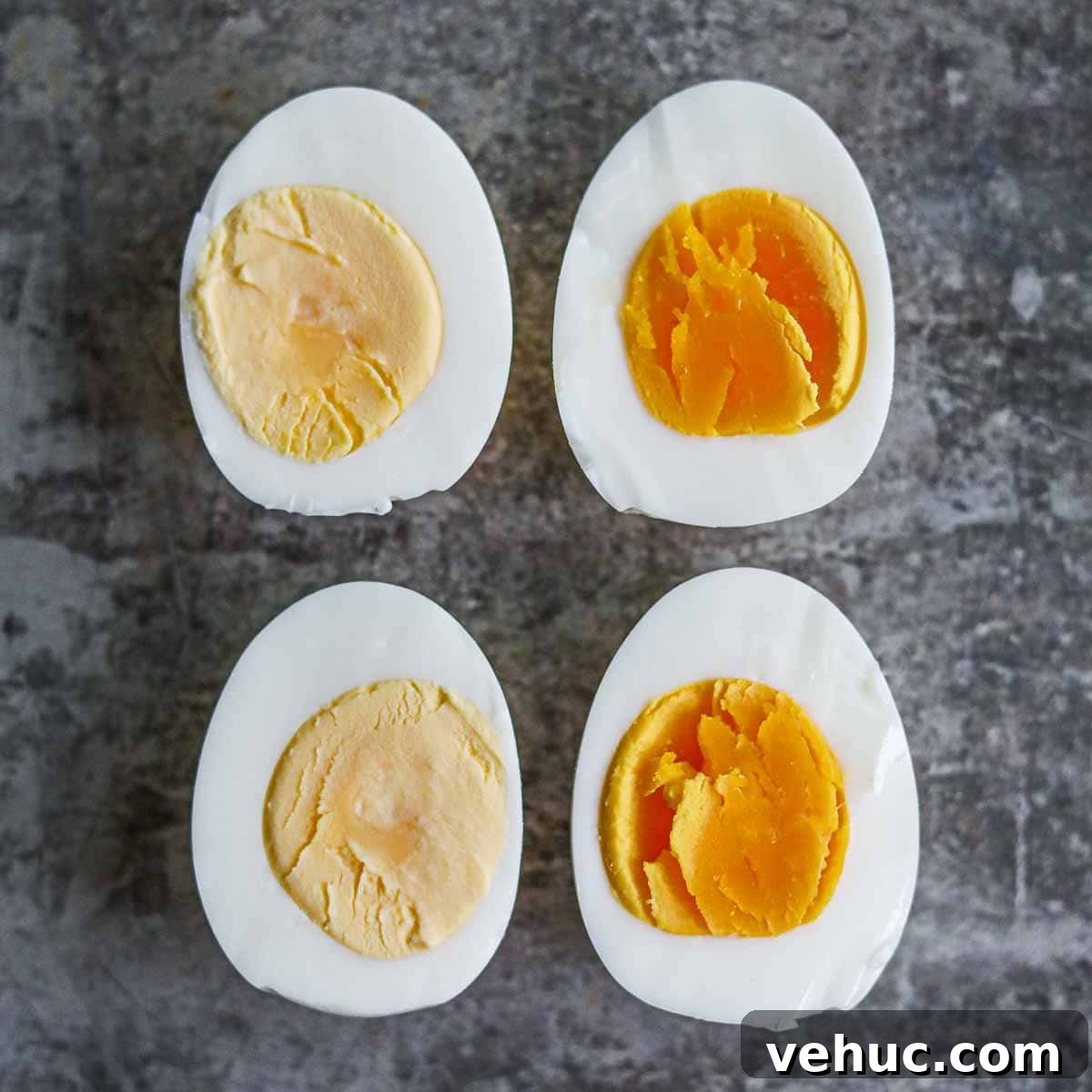
Hard Boiled Eggs are a protein-packed, versatile staple with a creamy yolk and firm white. Enjoy them as a simple snack with salt and pepper, chopped into an egg salad sandwich, or sliced over a green salad. The technique is straightforward: bring water to a boil, lower room-temperature eggs into the pot, cook to your preferred doneness, then chill in an ice bath and peel.
We prefer these eggs in egg salad sandwiches because the yolk stays creamy while the white remains firm. They also make an easy high-protein snack. This method reduces temperature variability by starting with boiling water, which helps produce consistent results and avoids the under- or overcooking common with cold-start methods.
About Hard Boiled Eggs
- Taste – Perfect on their own with a pinch of salt and pepper, or combined with mayo for a rich egg salad.
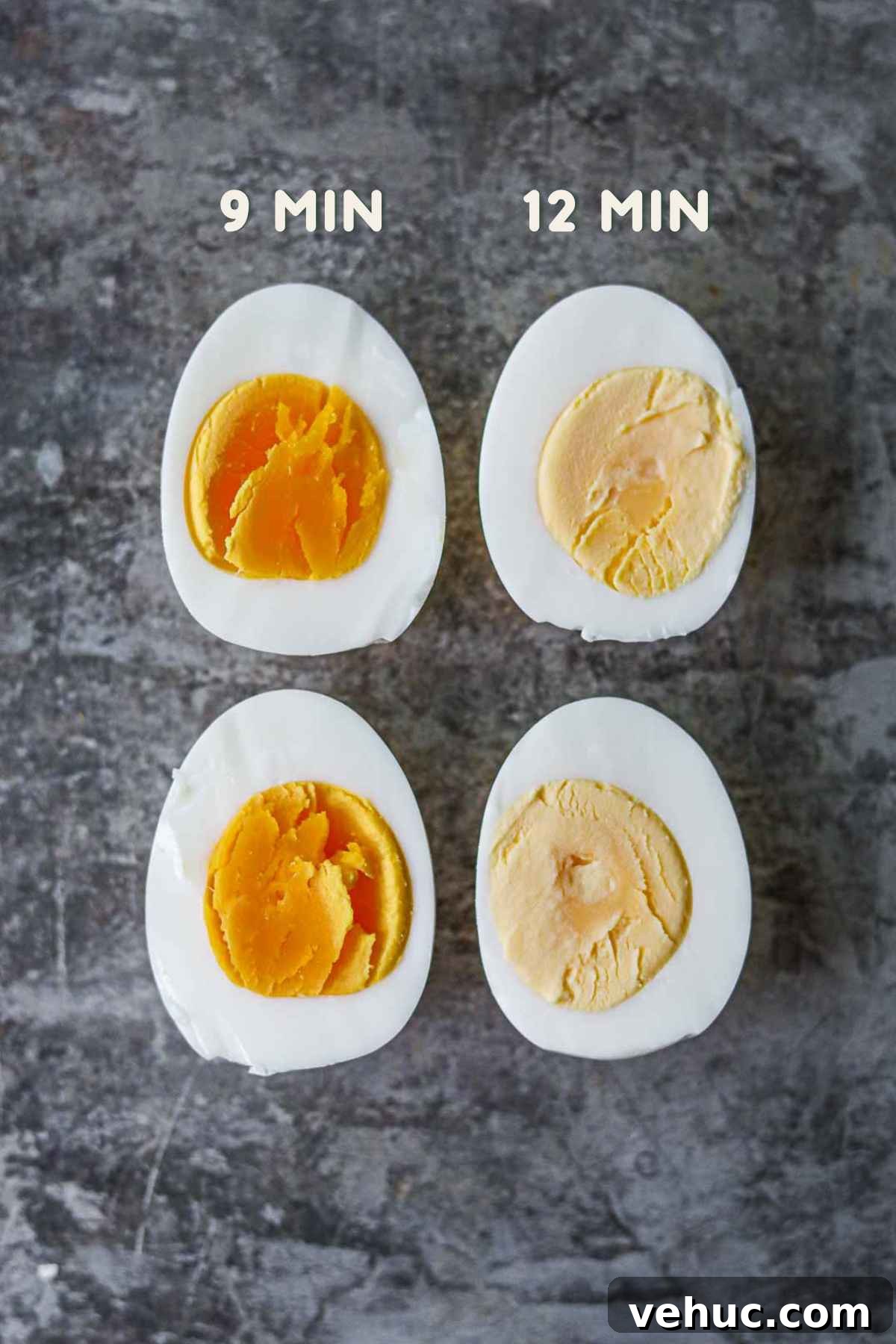
- Texture – After cooling, yolks should be firm but slightly creamy when cooked to the recommended times.
- Effort – Minimal: boil the eggs, cool them, and peel.
- Time – About 10 minutes cooking plus 10 minutes cooling for easy peeling and the ideal texture.
Ingredients
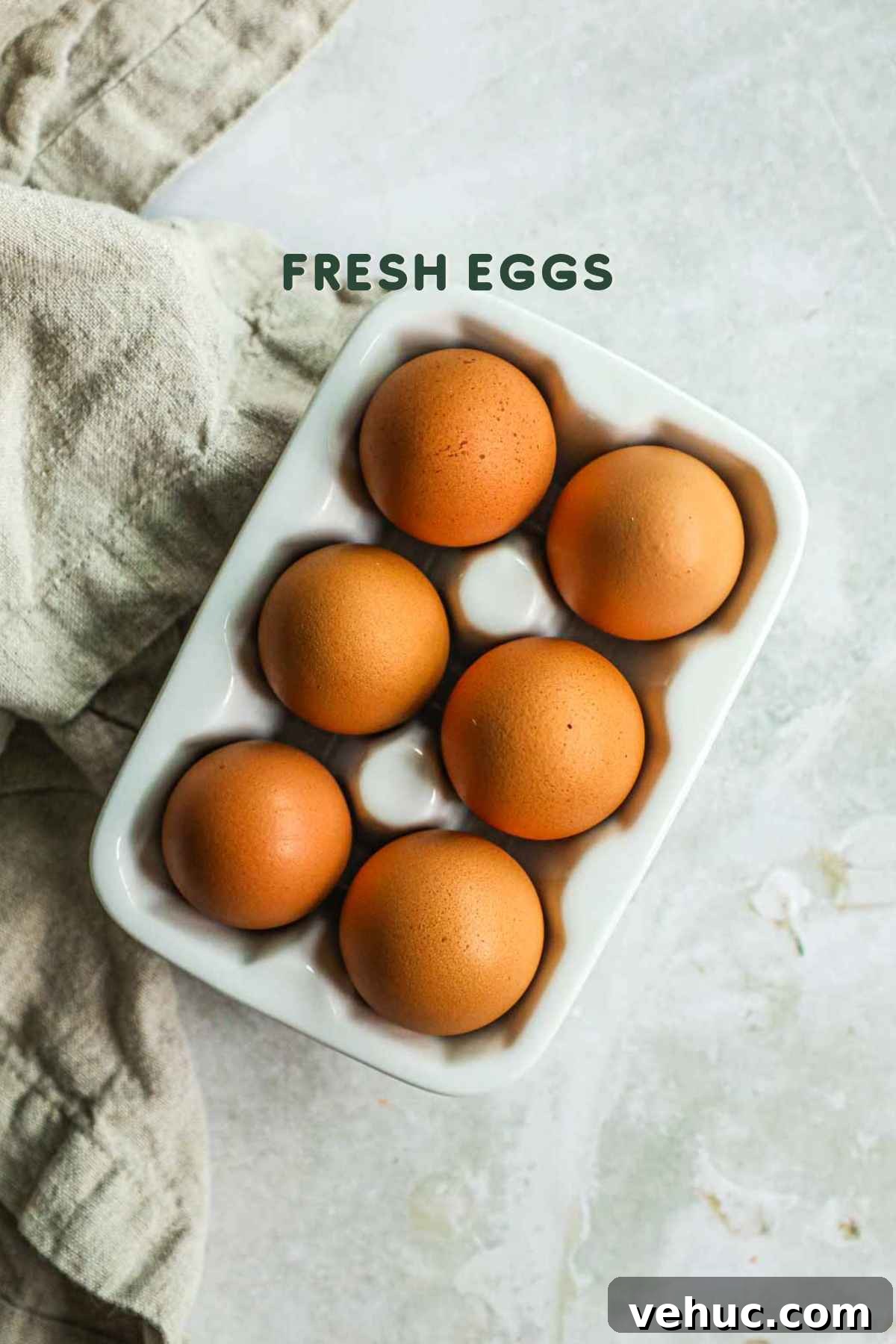
- Eggs – Use fresh eggs brought to room temperature before cooking. Pasture-raised eggs are flavorful and nutrient-dense.
- Ice – Ice and cold water for an ice bath to stop cooking and ease peeling.
- Water – Enough to cover the eggs in your pot.
See recipe card for ingredient quantities and servings.
Variations
Hard boiled eggs are just one way to enjoy eggs. Try these alternatives depending on your meal:
- Soft boiled – For runnier yolks, reduce cook time to about 5 minutes for jammy centers, or 6 minutes for slightly firmer yolks.
- Soft scrambled – Cook gently over low heat for a creamy, custardy texture.
- Fried – From sunny-side-up to over-easy or over-hard, fried eggs are quick and great on toast.
- Quail eggs – Smaller and richer, soft-boiled quail eggs are an elegant alternative.
Instructions
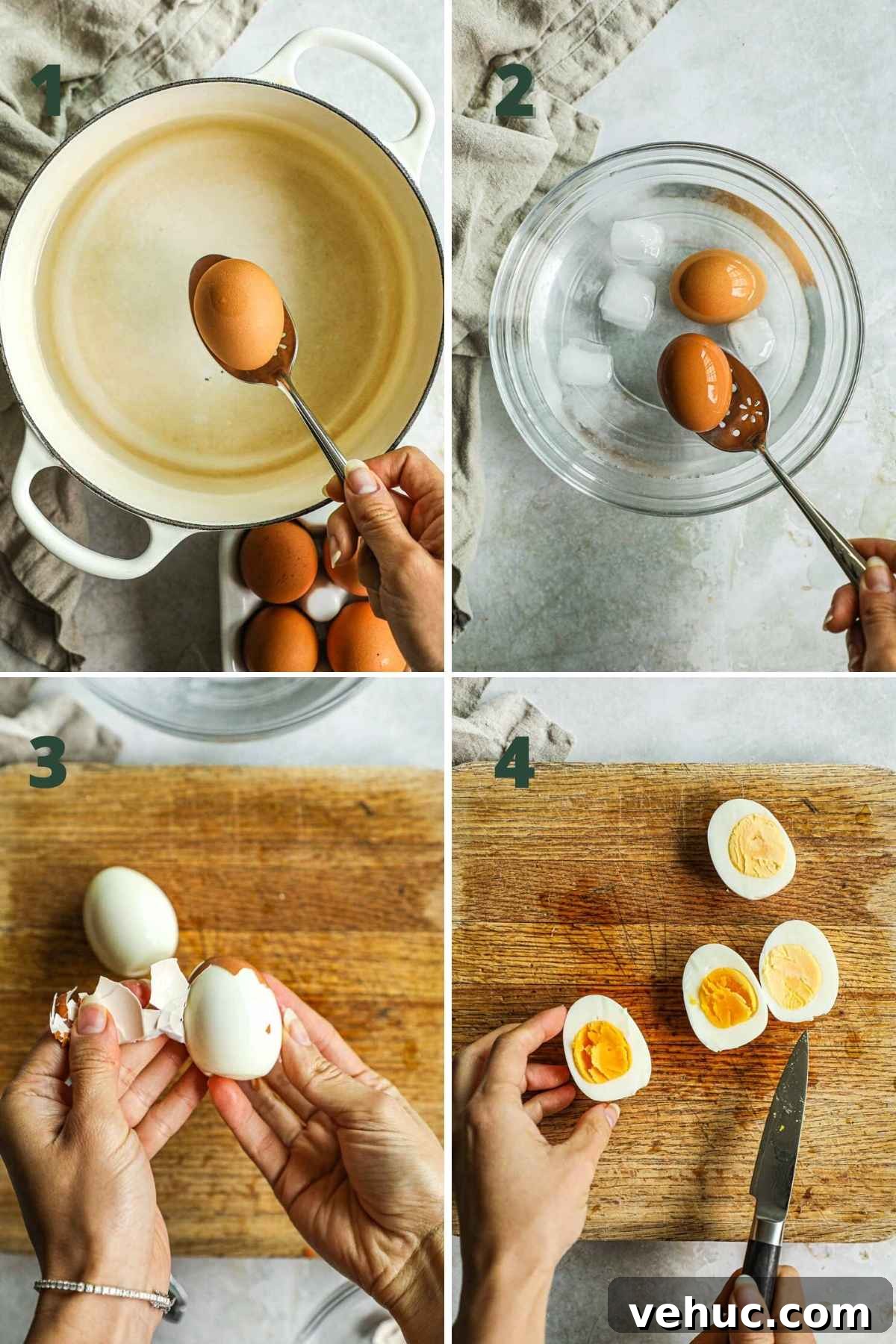
- Bring water to a boil – Fill a medium pot with enough water to cover the eggs and bring it to a rolling boil.
- Lower the eggs in – Reduce heat slightly, use a slotted spoon to gently lower room-temperature eggs into the water, then return heat to maintain a gentle boil.
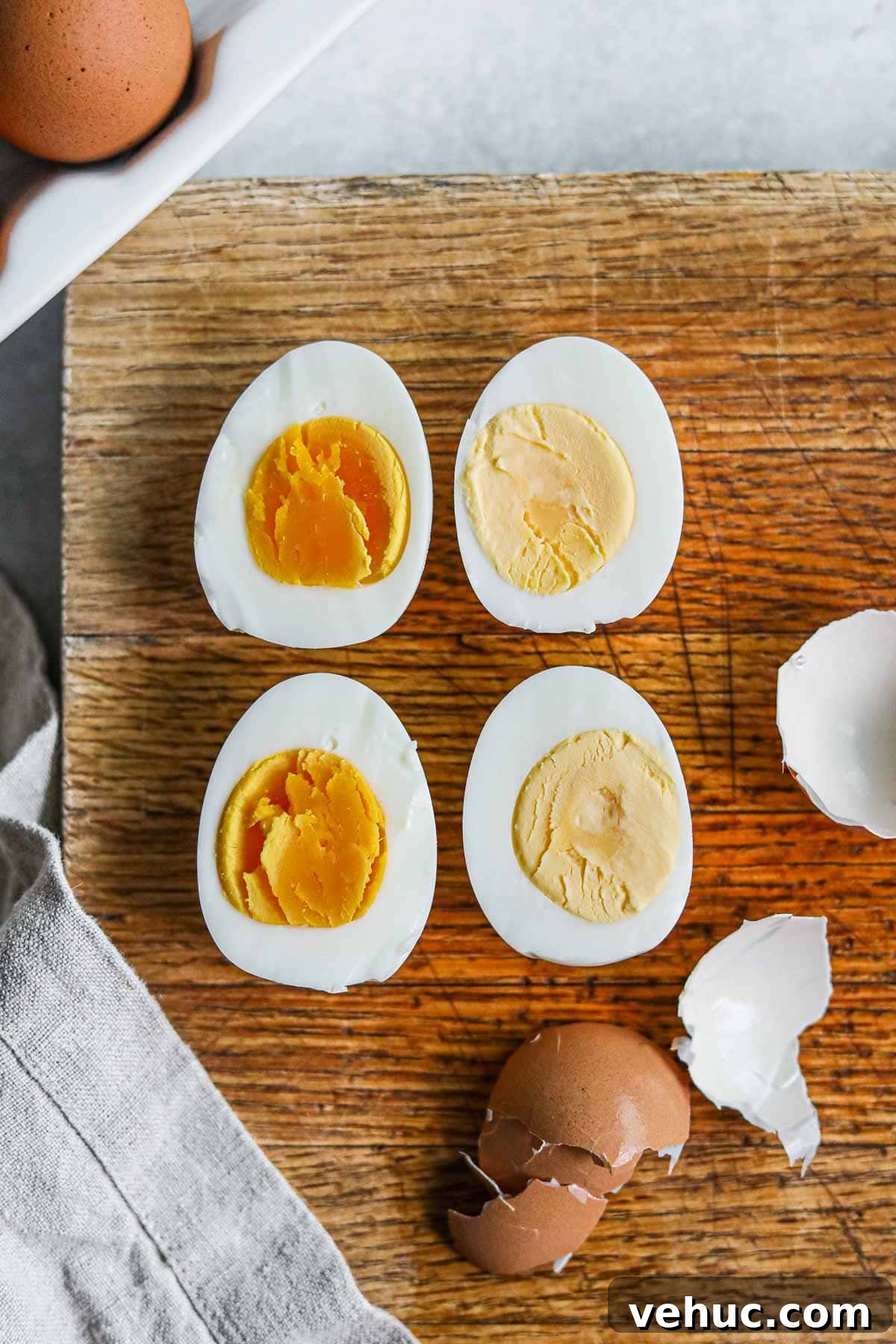
- Cook 9–12 minutes – Cook for 9 minutes for a semi-jammy orange yolk, or up to 12 minutes for fully set yolks. Adjust time based on your preference.
- Prepare an ice bath – While the eggs cook, fill a bowl with cold water and ice.
- Shock the eggs – When time is up, transfer eggs to the ice bath with a slotted spoon and cool for 10 minutes to stop cooking and make peeling easier.
- Peel – Lightly crack the shell all over with a spoon or on the counter, then peel. Cooling helps the white contract away from the membrane so shells come off cleanly.
Pro tip: Take eggs out of the refrigerator when you begin heating the water. Bringing cold eggs straight into boiling water can cause cracks; starting with room-temperature eggs reduces that risk.
How to Enjoy Hard Boiled Eggs
Serve hard boiled eggs in many simple ways: sprinkle with flaky salt and cracked pepper, halve and make deviled eggs, chop and mix with mayonnaise for a classic egg salad, or add slices to grain bowls and green salads for extra protein.
Hard Boiled Eggs FAQs
Yes. Hard boiled eggs are a nutrient-dense source of high-quality protein and provide vitamins and minerals with relatively few calories.
Lowering room-temperature eggs into already boiling water and then cooling them immediately in an ice bath helps the shell separate cleanly from the white.
Cold: chilling eggs in an ice bath first causes the white to contract, making the shell and membrane easier to remove.
Boil with the lid off so you can monitor the simmer and avoid overcooking.
A grey or green ring around the yolk indicates overcooking. While safe to eat, the texture and flavor are less appealing.
Storage
Store peeled or unpeeled hard boiled eggs in an airtight container in the refrigerator for up to 3 days. Keep them chilled until ready to use.
Cooking Tips
- Plan ahead – Decide how you’ll use the eggs so they’re ready when the rest of your meal is prepared.
- Make ahead – Hard boiled eggs are great to cook the night before; they hold well chilled for quick breakfasts or packed lunches.
Related Recipes
- Tamago Sando (Japanese Egg Salad Sandwich)
- Soft Boiled Jammy Eggs
- How to Make Perfect Fried Eggs (4 Types)
- Soft Boiled Quail Eggs
Did You Like This Recipe?
If you make this hard boiled eggs method and like the results, consider leaving feedback or a rating where you found the recipe. Tag photos of your results to share your variations and serving ideas.
📖 Recipe

How to Make Perfect Hard Boiled Eggs
5 mins
10 mins
10 mins
25 mins
Equipment
- Tongs
- Slotted spoon
- Pot
- Knife and cutting board (for serving)
Ingredients
- 6 eggs, room temperature
- Ice
- Water
Instructions
- 1. Boil the water and eggs – Bring a medium pot of water to a boil. Reduce heat slightly and use a slotted spoon to lower the eggs into the water. Return heat to maintain a gentle boil and cook 9–12 minutes depending on desired yolk doneness.
- 2. Fill an ice bath – While the eggs cook, fill a bowl with cold water and ice to stop the cooking once the eggs are done.
- 3. Cool the eggs – Transfer eggs to the ice bath and let sit for 10 minutes to chill and firm up.
- 4. Peel – Lightly tap each egg to crack the shell and peel. Cooling helps the shell and membrane separate cleanly from the white.
Notes
Storage
- Refrigerate hard boiled eggs in an airtight container for up to 3 days.
Top Tips
- Bring eggs to room temperature before boiling to reduce cracking.
- Decide how you’ll use the eggs so they’re ready when the rest of your meal is prepared.
- Make them the day before for convenient breakfasts or lunches.
Nutrition
Protein: 6 g |
Fat: 4 g