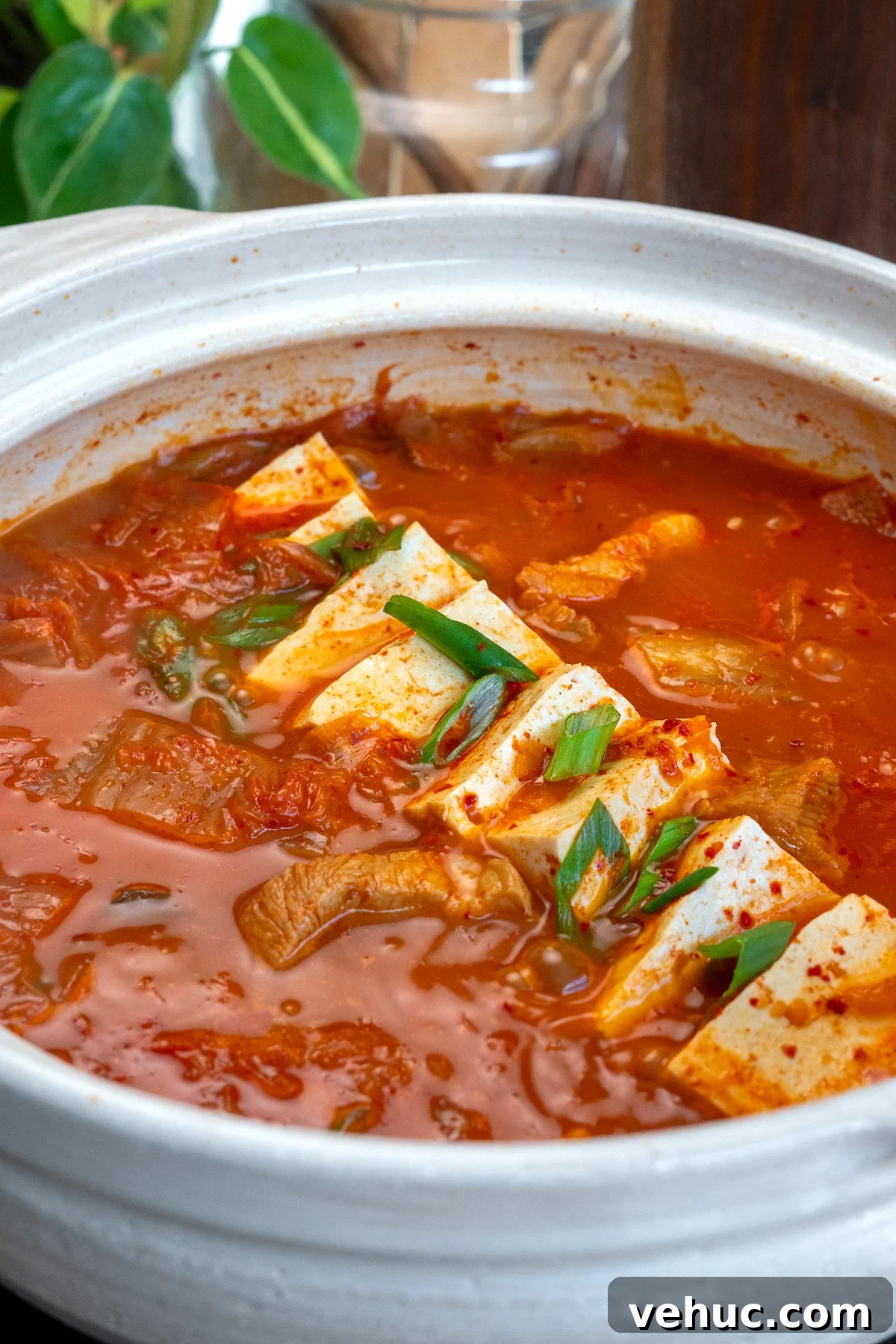
If you have old, very sour kimchi to use up, don’t throw it away — it’s ideal for making kimchi jjigae.
This classic Korean stew is the essence of home cooking: bold, warming, and deeply satisfying. It’s easy to prepare, and there’s one essential element that determines the final result — the kimchi itself — which I explain below.
What is Kimchi Jjigae?
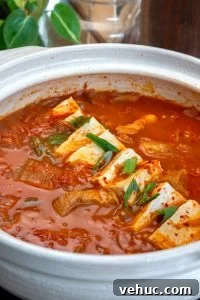
Kimchi jjigae (kimchi stew) is a beloved Korean comfort food celebrated for its bold, spicy, and tangy flavors. The dish typically features well-fermented kimchi, pork (commonly pork belly), anchovy-based broth, and tofu. Variations exist across households and regions, but the heart of the dish is always the kimchi.
Kimchi jjigae is usually served hot, often alongside a bowl of rice, and makes a great family meal or weekday dinner.

Why you’ll love this recipe
- Simple and quick: only a handful of ingredients and about 30 minutes from start to finish.
- Probiotic benefits: well-fermented kimchi provides probiotics and has antioxidant and anti-inflammatory properties.
- Make-ahead friendly: it keeps well in the refrigerator for a few days and reheats beautifully.
- Perfect for sour kimchi: this is one of the best ways to use up overly fermented kimchi. Another great option is kimchi jeon (kimchi pancake).
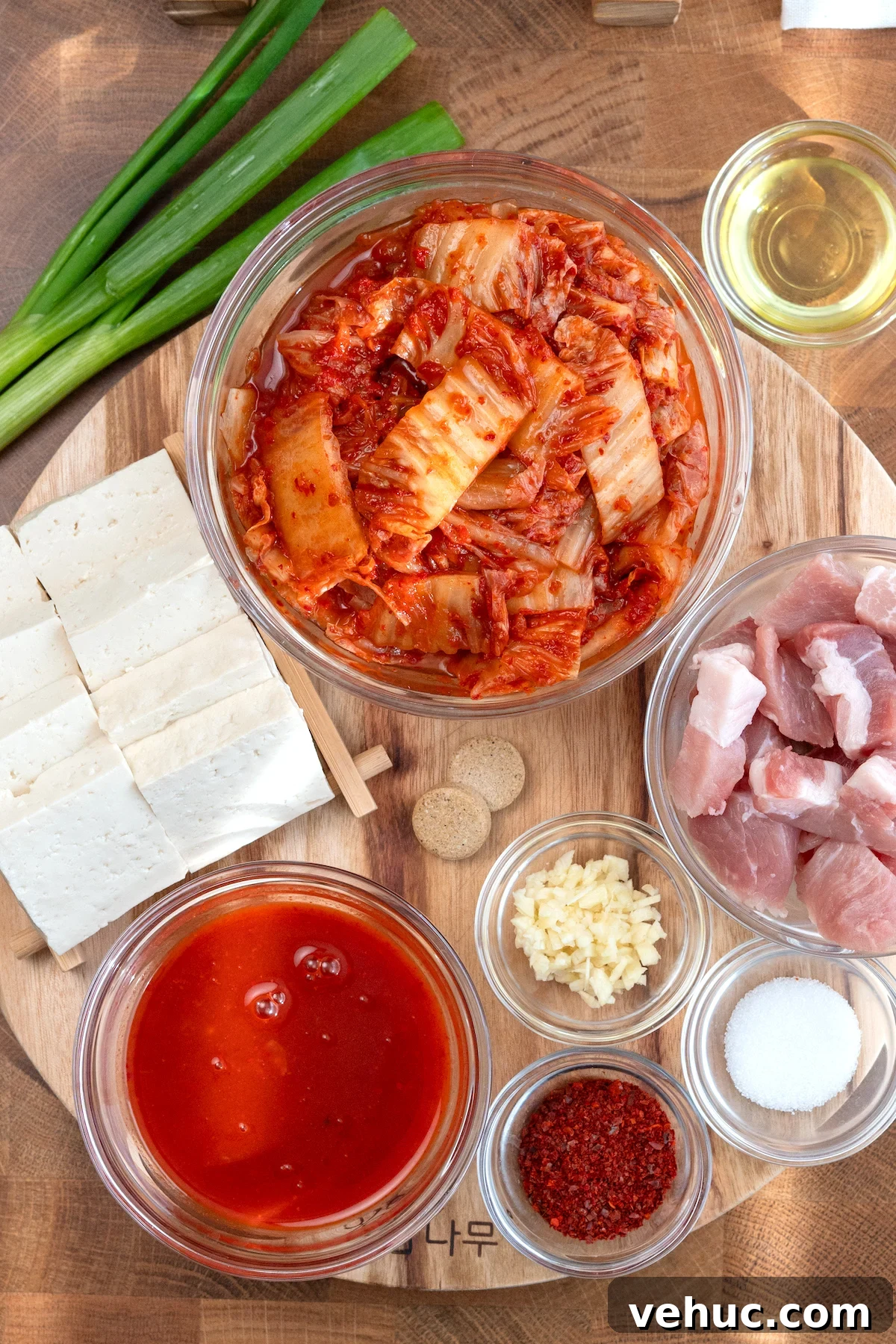
Ingredients
- Kimchi — The most important ingredient. Use well-fermented, sour kimchi. The older and tangier the kimchi, the better the stew will taste.
- Kimchi brine — Essential for depth of flavor; make sure you have plenty of brine from well-fermented kimchi.
- Pork belly — Traditional and delicious. You can substitute beef, spam, canned tuna, or omit meat for a vegetarian version.
- Anchovy stock — I use anchovy-based stock for authentic umami. You can make it from dried anchovies and kelp boiled in water for about 20 minutes, or use instant dashi if you prefer convenience.
- Tofu — Firm tofu cut into cubes. Traditional but optional depending on preference.
- Gochugaru — Korean red pepper flakes, optional for color and extra heat if your kimchi needs a boost.
- Sugar — A small amount balances the sourness if the kimchi is especially tangy.
- Garlic & green onion — Only a couple of fresh aromatics to chop: minced garlic, and green onions with whites used for cooking and greens reserved for garnish.
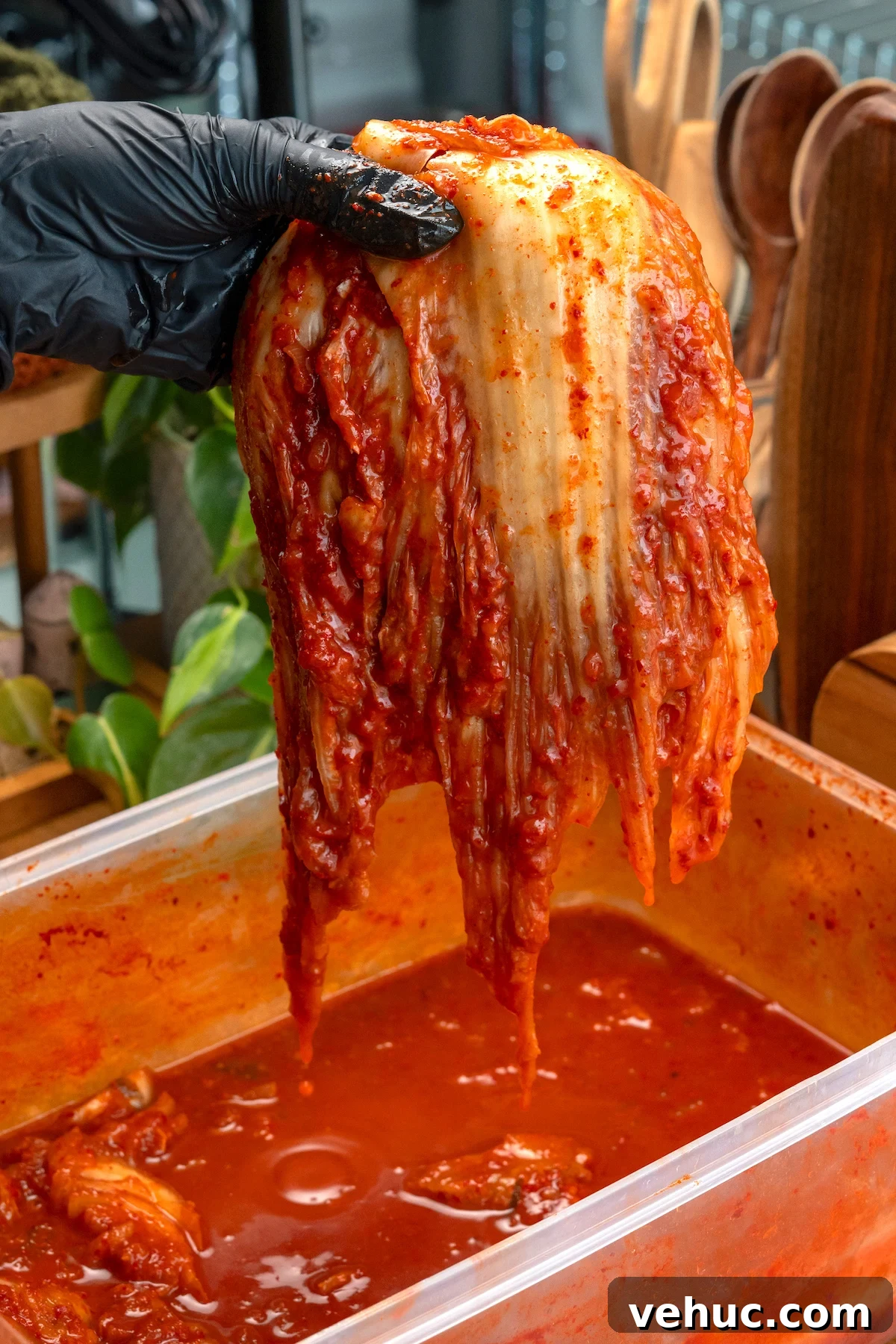
About the kimchi
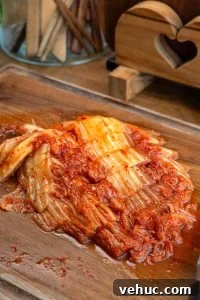
The single most important rule for kimchi jjigae: use fully fermented kimchi. Fresh or lightly fermented kimchi won’t develop the same depth of flavor in the stew. Old, sour kimchi — preferably with plenty of brine — gives the stew its signature tang and complexity.
If you attempt this stew with fresh kimchi, the result will be flat and not nearly as satisfying. Trust the fermentation: the older and more pungent, the better for cooking.
How to tell if your kimchi is well-fermented
Not sure if your kimchi is ready for stew? Look for these signs:
- Sour aroma and taste. Well-fermented kimchi will smell and taste distinctly sour — often too sour to enjoy raw. At that stage it’s ideal for cooking.
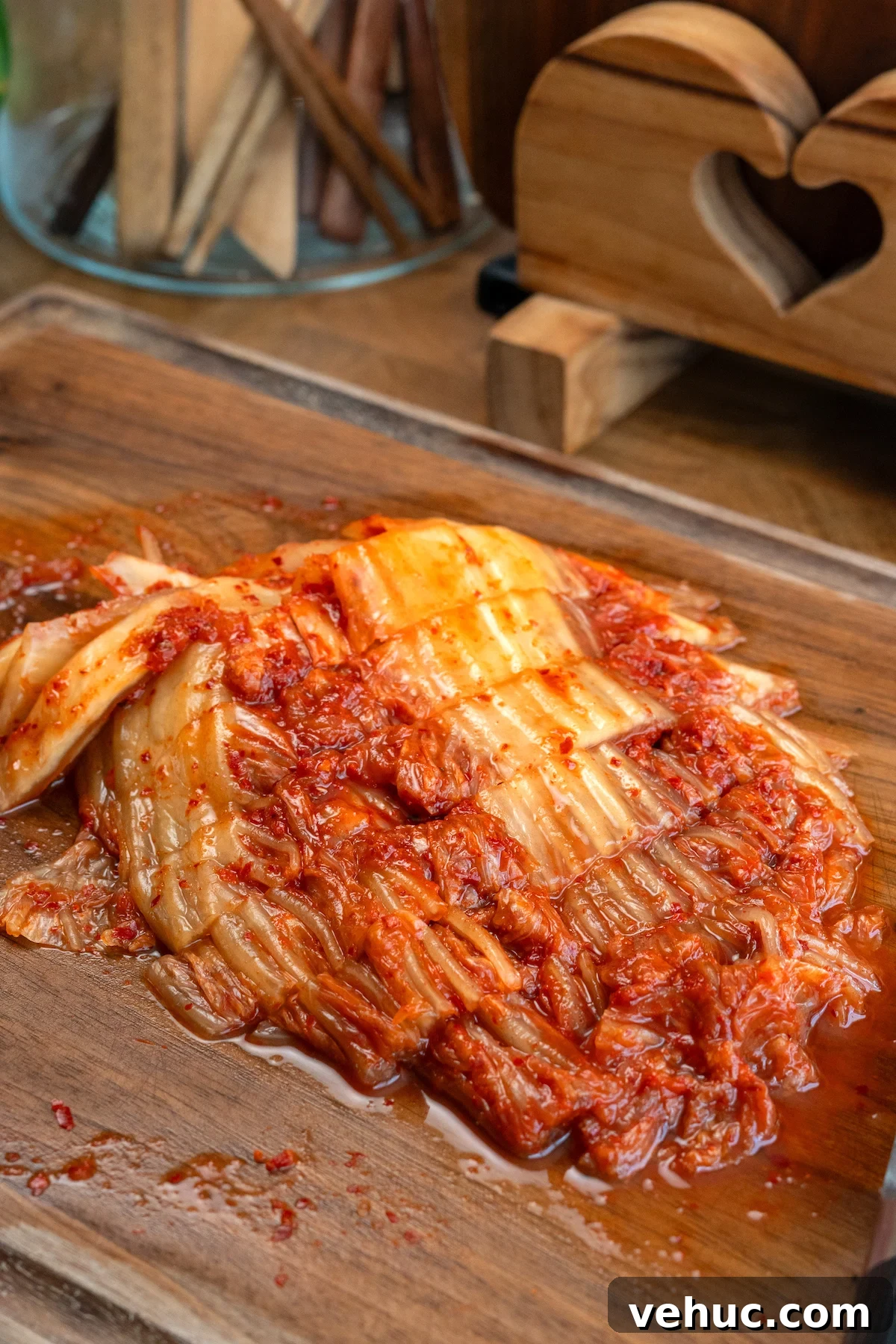
- Translucent appearance. Very sour kimchi often looks more translucent and slightly wilted, though still holding some crunch. Fresh kimchi appears more opaque, especially in the white cabbage parts.
More easy soup recipes
If you enjoy this kimchi jjigae, try some other simple soups and stews for comforting weeknight meals.
Soups & Stews
Carne En Su Jugo (Meat in its Juices)
Korean
Soondubu Jjigae (BCD Tofu Kit)
Korean
Gamjatang (Pork Bone Soup)
Korean
Kimchi Jjigae (Kimchi Stew)
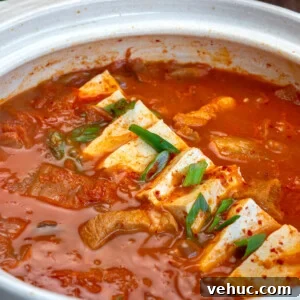
Kimchi Jjigae (Kimchi Stew)
Ingredients
- 2 cups chopped kimchi, well-fermented
- 1 tbsp minced garlic
- 1/2 lb pork belly, or beef, spam, canned tuna
- 1/3 cup kimchi brine, well-fermented
- 3 cups anchovy stock
- 1 tbsp gochugaru, Korean red pepper flakes (optional)
- 1 tsp sugar
- salt to taste
- 1/2 package firm tofu, cut into squares
- 2 green onions, chopped, whites & greens separated
Instructions
-
Chop the kimchi into bite-sized pieces.

-
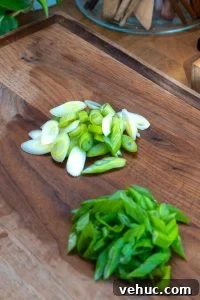
Chop the green onions, keeping the whites and greens separate. Use the whites for cooking and the greens for garnish.
-
Prepare anchovy stock. For convenience you can use instant dashi or dissolve anchovy stock concentrate in hot water. To make from scratch, simmer dried anchovies and kelp in water for about 20 minutes, then strain.
-
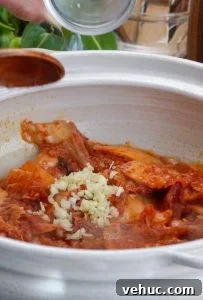
Heat a little neutral oil in a pot over medium-high heat. Add the kimchi and minced garlic and stir-fry for a couple of minutes to release their aromas.
-
Add the pork belly and continue to stir-fry until the meat begins to render and brown slightly, about a few minutes.
-
Pour in the kimchi brine and 1 cup of the anchovy stock. Stir to combine, reduce the heat to medium, and cover for 5 minutes to let flavors meld.
-
Add the remaining anchovy stock, sugar, and gochugaru. Taste and season with salt as needed (start with a small pinch). Cover and simmer for 10 minutes.
-
Gently add the tofu, cover, and simmer for another 5 minutes so the tofu absorbs the flavors.
-
Finish by garnishing with the green parts of the green onions. Optionally, drizzle a very small amount (about 1/4 tsp) of sesame oil for aroma — a little goes a long way.





Nutrition information is automatically calculated and should be used only as an approximation.
Additional Info
Like this recipe? Leave a comment below!