I’ve long thought of parenting as “an 18-year-long game,” expecting my role would shrink once my children reached adulthood. Now that I have a 19-year-old, I see that parenting does change—and should scale back—but it doesn’t end overnight. It evolves into a different kind of relationship.
Kim Muench coaches parents of “emerging adults,” a useful term for 18–30-year-olds who aren’t yet fully independent. In this interview we discuss why the phrase matters and why many parents benefit from continuing intentional, conscious parenting beyond age 18.
This conversation isn’t only for parents of emerging adults. If you want to help teens transition into adulthood smoothly, preparation begins well before age 18—often in high school and even earlier.
Kim and I cover common parenting pitfalls: the temptation to become your child’s friend, healthy boundaries around screens, essential life skills, problem-solving, and much more. These strategies are important long before your child turns 18.
If you’d like to be ready for the next phase of parenting and help your kids enter adulthood more confidently, this interview offers practical guidance.
Find episodes of the Healthy Parenting Handbook on your favorite podcast platform.





Please consider leaving a review on Apple Podcasts—thank you!
Can’t see the video? Watch Parenting Adult Children on YouTube.
If you don’t have time for the video, here are concise, useful notes from the interview.
Parenting Emerging Adults
- 2:39 — I speak with Kim Muench on the Healthy Parenting Handbook. Kim coaches parents compassionately and without judgment to build healthier, more functional relationships with teens and adult children.
- 4:04 — Kim shares her background: she has a 19-year-old daughter and four sons aged 21–37. After her oldest struggled with alcohol as a young adult, Kim returned to school to support teens facing similar challenges.
- 5:25 — Through her work she discovered a stronger coaching interest in parents rather than teens; many parents seek help only once a crisis occurs.
- 8:25 — In crisis situations, a neutral third party can help parents process events and align on responses.
- 10:55 — Kim emphasizes parenting with our children rather than over them. As kids enter middle and high school—and even as adult children living at home—parents can invite collaboration: identify the problem, and ask, “How can we work on this together?”
- 13:13 — Parenting with your child doesn’t mean becoming their friend. Parents must provide structure and leadership, particularly around safety. When possible, grant appropriate autonomy to high schoolers.
- 15:15 — Curfews for high schoolers are reasonable, and it’s appropriate for adult children living at home to share plans about coming and going—this fosters consideration and household safety.
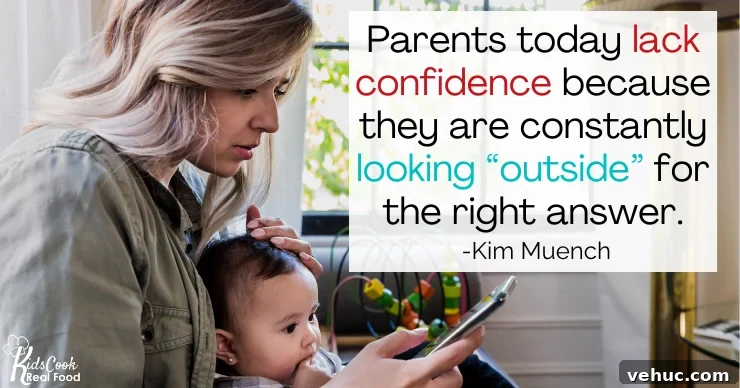
- 16:03 — Two common challenges: first, parents’ lack of confidence. With so many outside opinions available, it’s important to educate yourself selectively, trust your instincts, and limit whose advice you follow.
- 18:36 — A concrete challenge Kim sees every day is screen time. Evidence suggests screens in bedrooms and during meals contribute to family disconnection. No screens in bedrooms at night, and establish screen-free spaces like the dinner table and the car.

- 24:36 — Preparing teens and tweens for adulthood starts with giving age-appropriate autonomy. Coach decision-making, walk alongside them, and gradually let them take on more responsibility.
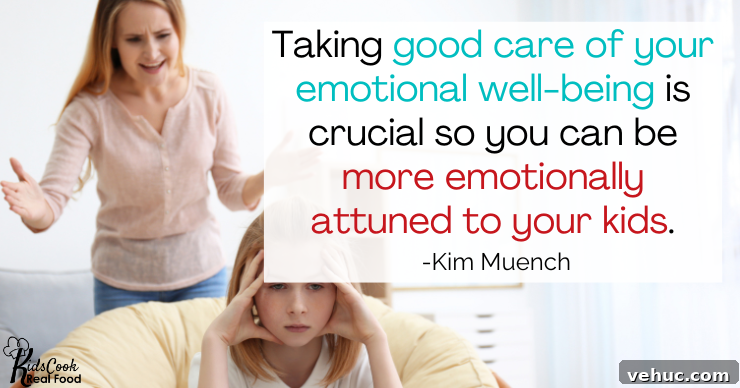
- 25:44 — Keep learning about parenting stages; join parent groups for honest support. Care for your own emotional health and notice what triggers you in your child’s behavior.
- 28:13 — Teach life skills early—don’t wait until moving out is imminent. Start with simple tasks: let young children help with chores, teach laundry and cooking skills progressively, and build competence over time.
What Else Can Your Kids DO in the Kitchen?
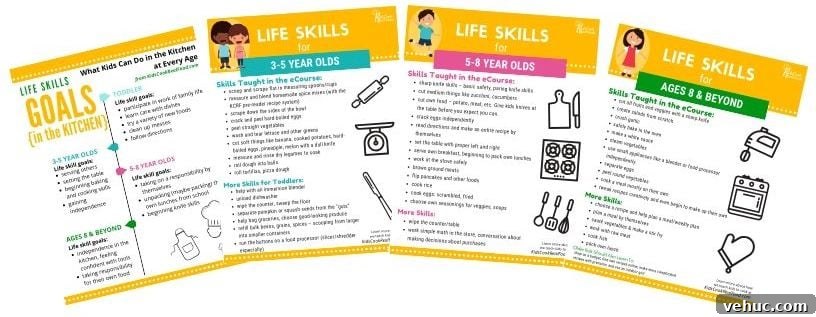
Download a printable list of age-appropriate kitchen skills to post in your kitchen. Use it as a reminder of what your kids can learn and contribute.
- 30:20 — When children resist chores, it’s reasonable to expect household contribution. Frame the conversation collaboratively: “Your laundry hasn’t been done in two weeks. How can we work together to solve this?” Try reasonable solutions they suggest so they see their ideas matter.
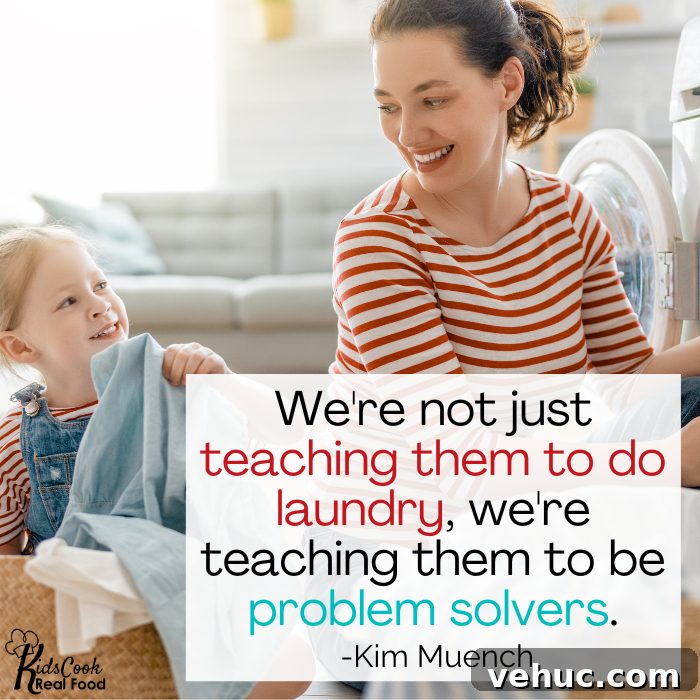
- 31:32 — Teaching chores is also teaching problem-solving. Let children face manageable problems so they learn to think through solutions.
- 32:28 — Parenting young children is physically demanding; parenting teens is less physically exhausting but more mentally and emotionally taxing.
- 34:34 — After age 18, parenting shifts even if your child still lives at home. Continue supporting problem-solving and decision-making, but don’t fix everything. Responsibility should be released gradually starting in the teen years—not suddenly at 18.
- 36:18 — When things go wrong as you loosen the reins, resist anger. Be curious, help them reflect, and decide if you need to scale back the responsibility release temporarily.
- 37:15 — The conversation ends with a message of hope: change is possible, and parenting with intention helps families grow healthier relationships.

Kim Muench (pronounced “minch”) is a Jai Institute for Parenting Certified Conscious Parenting Coach and founder of Real Life Parent Guide. She specializes in working with parents of emerging adults (ages 18–29). Kim believes mothers often serve as the emotional barometer of the family and focuses on helping parents lead with intention rather than fear. With three decades of parenting five adult children and years of coaching experience, Kim brings compassionate, nonjudgmental support to families.
Her self-published book, Becoming Me While Raising You: A Mother’s Journey to Her Self, has reached Amazon recognition in the Parent & Adult Child Relationships category. Kim speaks regularly on conscious parenting topics for radio, television, and podcasts, promoting the idea of parenting with children rather than over them.
Resources Mentioned
- Kim’s book: Becoming Me While Raising You: A Mother’s Journey to Her Self.
- Real Life Parent Guide — Kim’s coaching and resources for parents of emerging adults.