
When decorating or renovating, most homeowners concentrate on the large elements first: furniture, flooring, paint colors and major fixtures. That approach makes sense because those items occupy the most space and create the strongest initial impression. However, overlooking the smaller finishing touches can leave a room feeling unfinished and less cohesive than it could be.
This article highlights the subtle details that bring a space together and elevate the overall design. Paying attention to hardware, textiles, lighting, and transitional spaces will make your home look and feel more intentional and welcoming.

Upgrade Your Door and Cabinet Hardware
Hardware gets used constantly, yet it is frequently ignored in design plans. Door handles, cabinet pulls and drawer knobs are small, but they make a big visual difference. Swapping out basic or mismatched hardware for higher-quality options immediately refreshes a room.
Choose durable finishes like brass, brushed nickel or matte black to create a more polished look. These materials also add character and pair well with a variety of styles—from traditional to modern. Well-crafted metalwork can warm up a space and provide an understated focal point.
Add Texture Through Soft Furnishings
Soft furnishings play an oversized role in comfort and visual interest. Cushions, throws, rugs and curtains introduce texture and layers that make rooms feel inviting and complete. Mixing materials—such as linen, wool, cotton and velvet—adds depth without cluttering the space.
Layer fabrics thoughtfully: pair linen curtains with a woven rug and soft cotton or velvet cushions to create contrast and cohesion. These textiles also help balance harder surfaces like wood, stone and metal found in furniture and architectural elements.
Pay Attention to Decorative Lighting
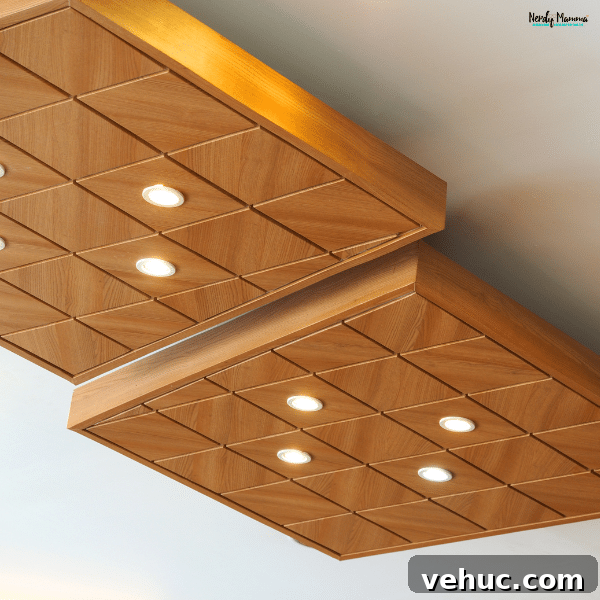
Lighting serves a practical purpose but also offers an opportunity to enhance mood and style. Layered lighting—combining overhead fixtures with table lamps, floor lamps and wall sconces—creates warmer, more flexible spaces. Accent and task lighting add depth and make rooms feel more comfortable and usable.
Even a simple fixture update can transform a space. Select lamps and pendants that complement the room’s style and scale so lighting becomes both functional and decorative.
Focus on Entryways and Transitions
Entryways, hallways and staircases are often afterthoughts, yet they form the first impression of your home. Thoughtful design in these areas sets the tone for the rest of the house.
Add a mirror, a narrow console table or well-placed lighting to create a welcoming entry. Coordinated hardware, a runner or a gallery wall can help connect rooms visually and guide movement through the home. These transitional details tie spaces together and reinforce an overall design language.
Small finishing touches—quality hardware, layered textiles, considered lighting and curated transition spaces—add up. Investing time and budget in these elements will make your home feel complete, cohesive and more enjoyable every day.

Table of Contents