As school nutrition programs move toward more scratch cooking and healthier ingredients, cultivating a strong culinary culture can produce meaningful benefits. A positive culinary culture changes how staff, students, and the broader community view your program, and it can boost both student participation and team engagement.
Seven years ago I entered school nutrition as a classically trained chef with limited knowledge of the National School Lunch Program beyond what I researched for the interview. I remember being asked, “How would you flavor food without using salt?” and answering, “Fresh herbs and spices.” I was also the kid who brought lunch to school most days, so I understand the stigma some people still associate with school meals. That’s why I love introducing newcomers to our work. I often show social media posts of meals we serve, and the reactions are always the same: “Wow, that looks different from what I ate as a kid,” followed by “I wish it looked like that at my child’s school,” and the occasional question about rectangle pizza. Yes, we still serve rectangle pizza—now made on-site with scratch sauce and offered alongside fresh local vegetables and fruit.
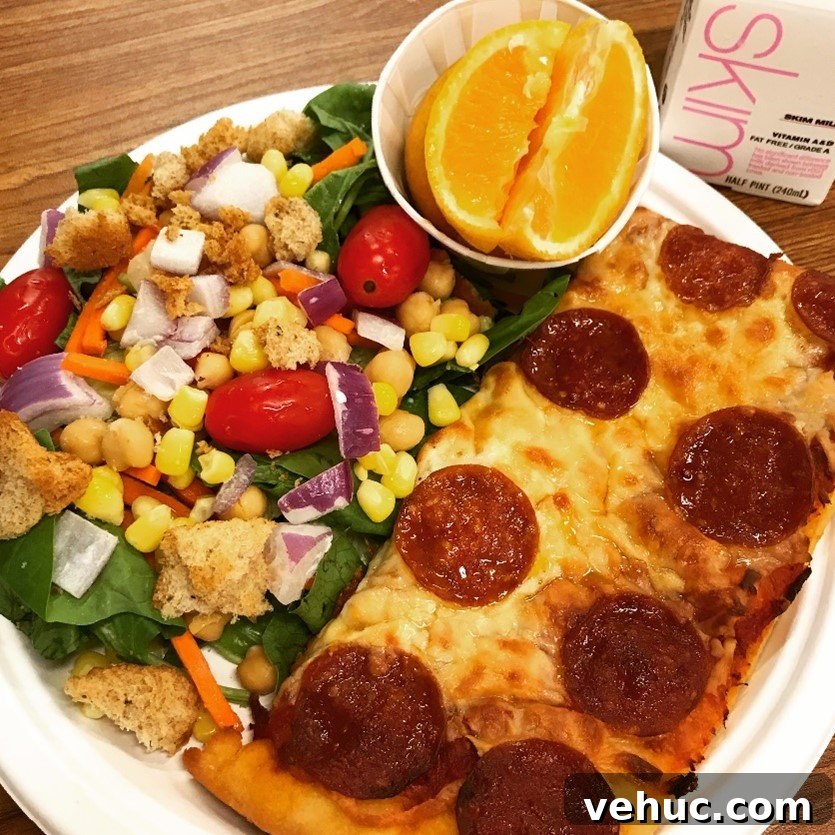
Those initial reactions are encouraging. When people see what modern school food looks like, they begin to reframe their expectations. That shift in perception makes it easier to build trust and support for menu changes and culinary initiatives.
Not every district has an established culinary culture, but it’s achievable—and often more affordable than you might expect. Below are practical steps you can take to nurture a culinary-minded culture that involves staff, students, and the community.
The largest restaurant in your city
Consider this: what other operation in your city serves thousands of meals daily, five days a week, for breakfast and lunch—and sometimes supper or snacks? When the pandemic hit, school nutrition teams stepped up to feed communities. As schools return to regular routines, think like a restaurant and offer options such as customizable meals, pop-up action stations, and limited-time offers (LTOs). These strategies can increase participation, move inventory, and reduce food waste.
Dress for Success
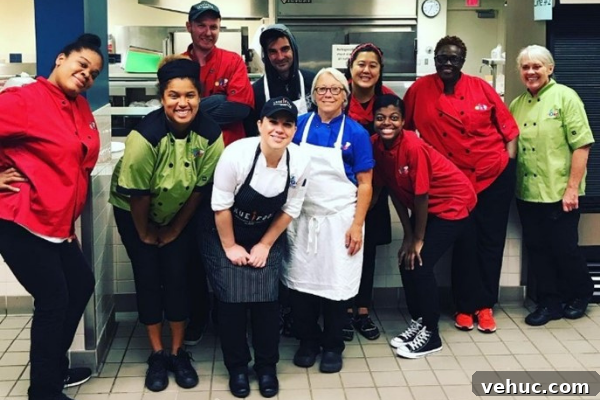
Presentation matters. If we want to be recognized as culinarians, staff uniforms should reflect that professionalism. Replace scrubs and t-shirts with chef coats (reserve spirit wear for special days). On visits to schools where staff wore scrubs, students often reacted to seeing a chef in a coat and assumed the food was different; explaining that their usual team prepared the meal helped elevate the staff’s perceived professionalism. Uniform budgets are common, and lightweight, affordable chef coats are widely available. If white is a concern, choose a color—district or position-specific colors can help identify roles, as Minneapolis Public Schools does. Staff take pride in receiving colored coats as they advance in their careers.
Culinary Training Builds Culinary Culture
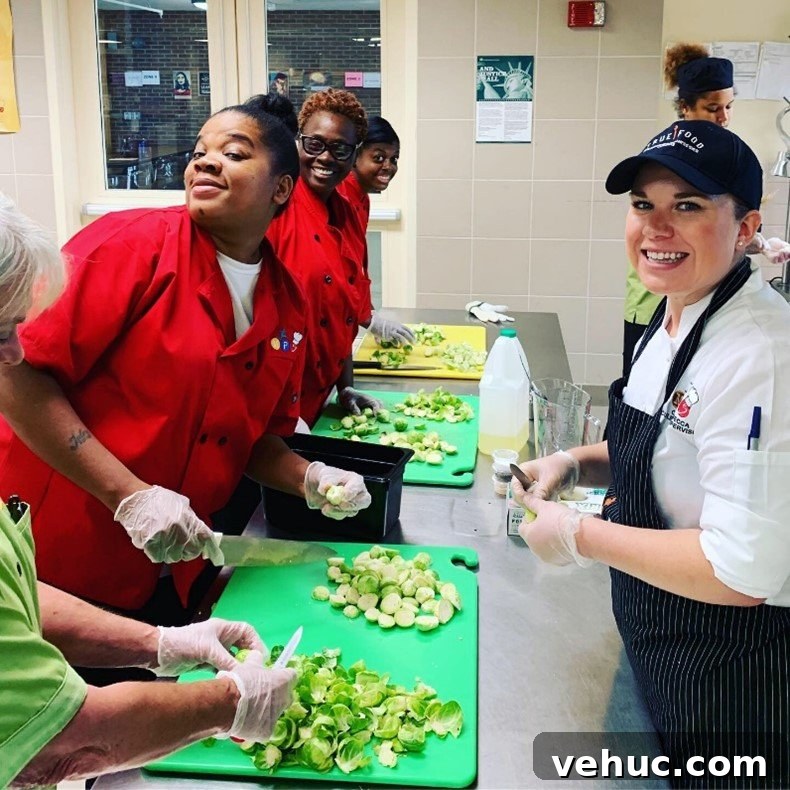
Pre-school-year culinary training is an ideal time to introduce new menu items so staff can cook and taste dishes before serving students. Ongoing training throughout the year—led by an in-house chef, a community partner, or a district culinary teacher—keeps skills sharp. Even one afternoon a month on knife skills, equipment use, or flavor development pays dividends. Investing in professional development reduces turnover and improves food quality, efficiency, and student participation.
Chefs in Schools
Many districts hesitate to hire chefs because of perceived cost, but school-based roles often offer benefits that restaurants do not—regular hours, predictable schedules, health insurance, and summer breaks. The pandemic displaced many restaurant staff, and experienced chefs are now seeking stable opportunities. With orientation to school nutrition regulations, these chefs can bring valuable creativity and leadership to your program.

Culinary-driven Menus
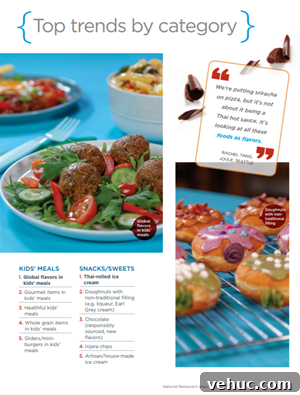
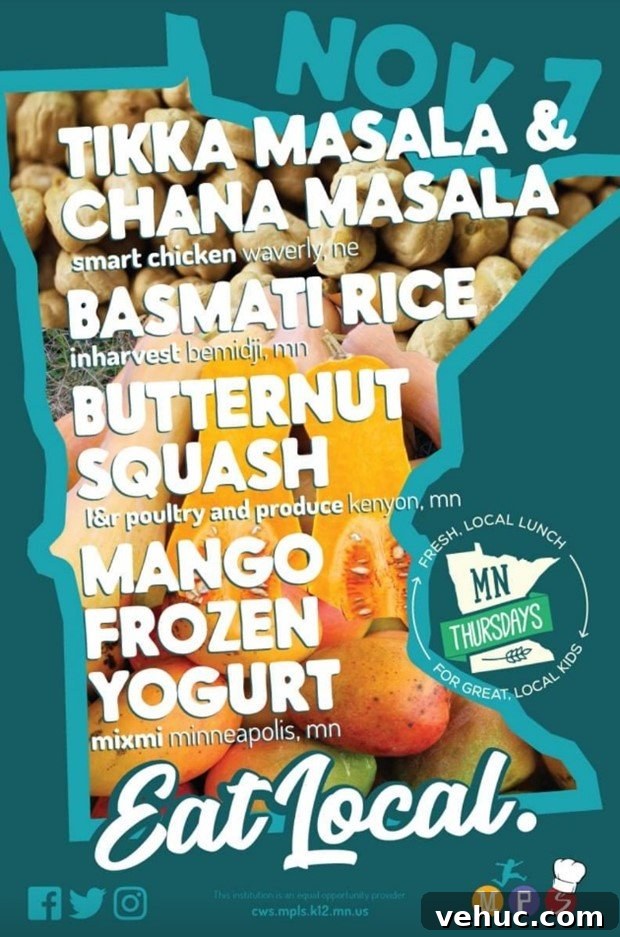
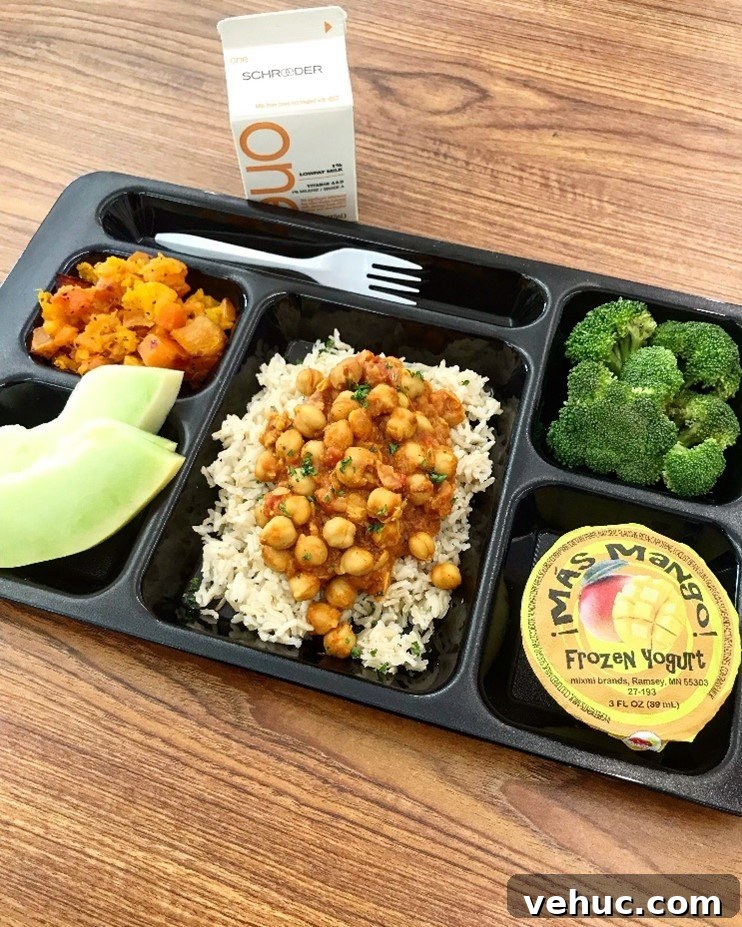
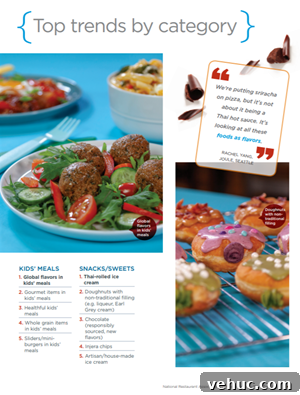
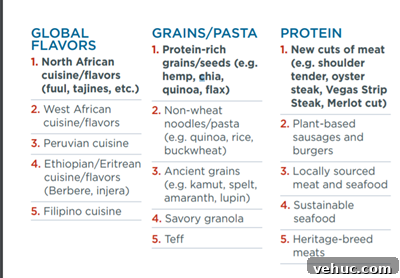
Menus informed by current food trends can resonate with students and community preferences. Global flavors, health-forward dishes, and whole grains are increasingly popular across generations. In diverse districts like Minneapolis Public Schools, offering culturally appropriate global flavors strengthens engagement—work with community members to ensure authenticity. Designing menus around flavor, variety, and nutrition helps keep offerings relevant and appealing.
Student Input
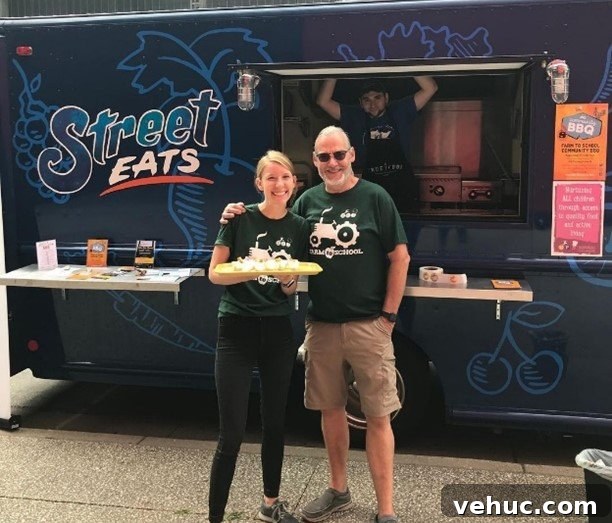
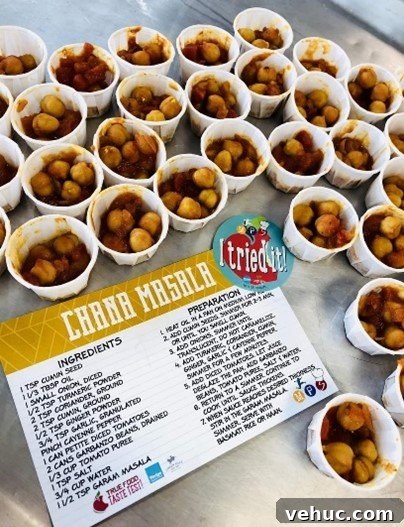
Student feedback can make or break a program, so gather it in meaningful ways. Anonymous suggestion boxes in cafeterias can yield useful ideas, and taste tests give students a voice in menu development. Minneapolis runs True Food Taste Tests three times a year in elementary and middle schools, inviting community participation and using feedback to refine recipes before menu rollout. Taste tests expand students’ palates and can boost participation.
Culinary Competition
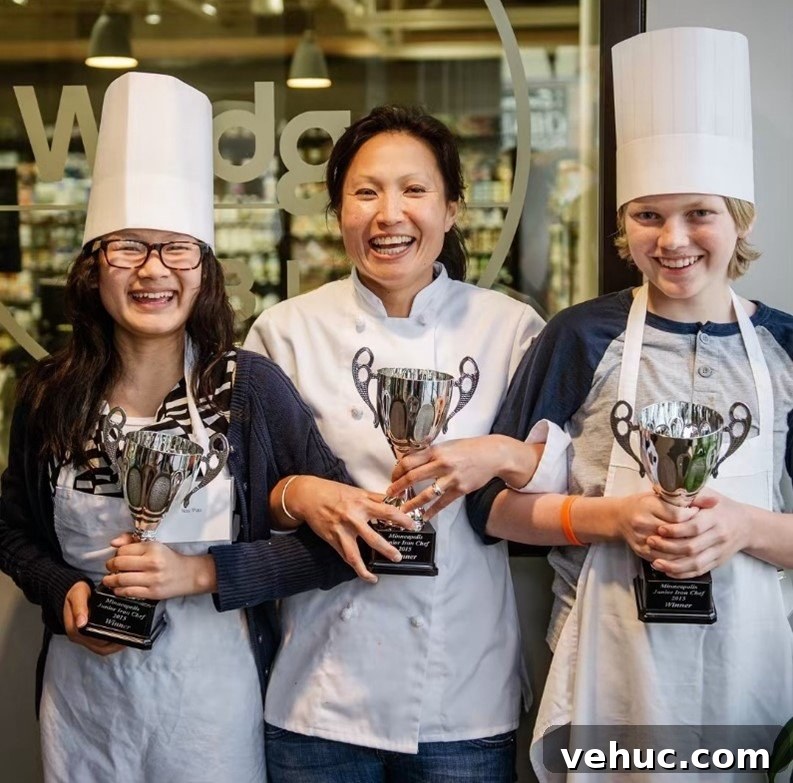
Host culinary competitions to create excitement and community engagement. For seven years Minneapolis Public Schools has run a Junior Iron Chef competition with community chefs and two-student teams from each middle school. With a shared pantry and simple rules, the focus is fun, education, and community connection. Attendees sample menu items while local personalities judge the contest. Winning dishes often make it onto the menu. During the pandemic, an At-Home edition opened the contest to children under 18 and generated amazing recipes submitted by students.
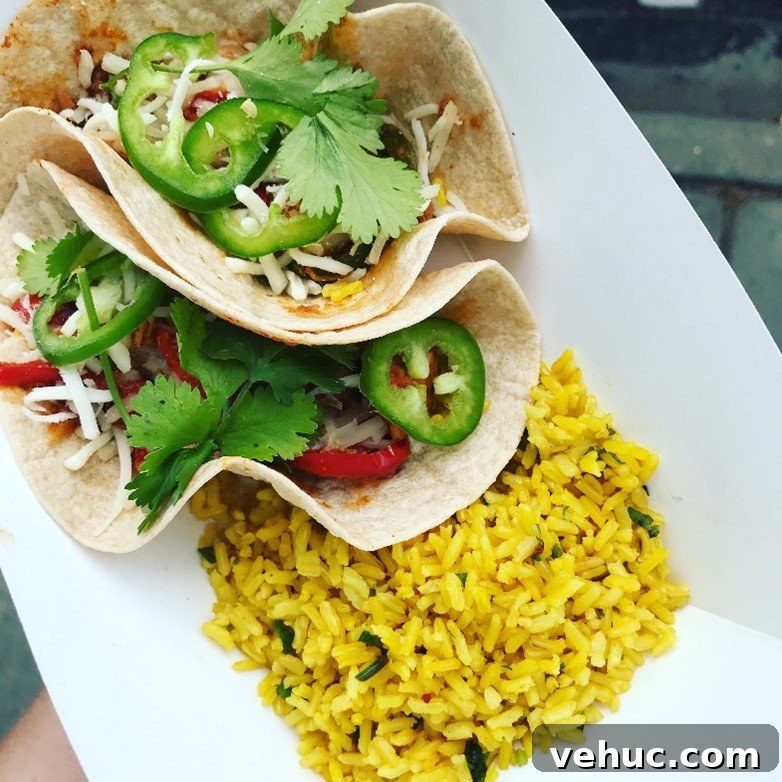
Small, intentional steps build momentum. Investing in uniforms, training, student engagement, and creative events will strengthen your culinary culture over time and lead to tangible improvements: happier staff, better food, lower costs, and increased participation.
If your school or district has a successful approach to building culinary culture, please share your ideas.