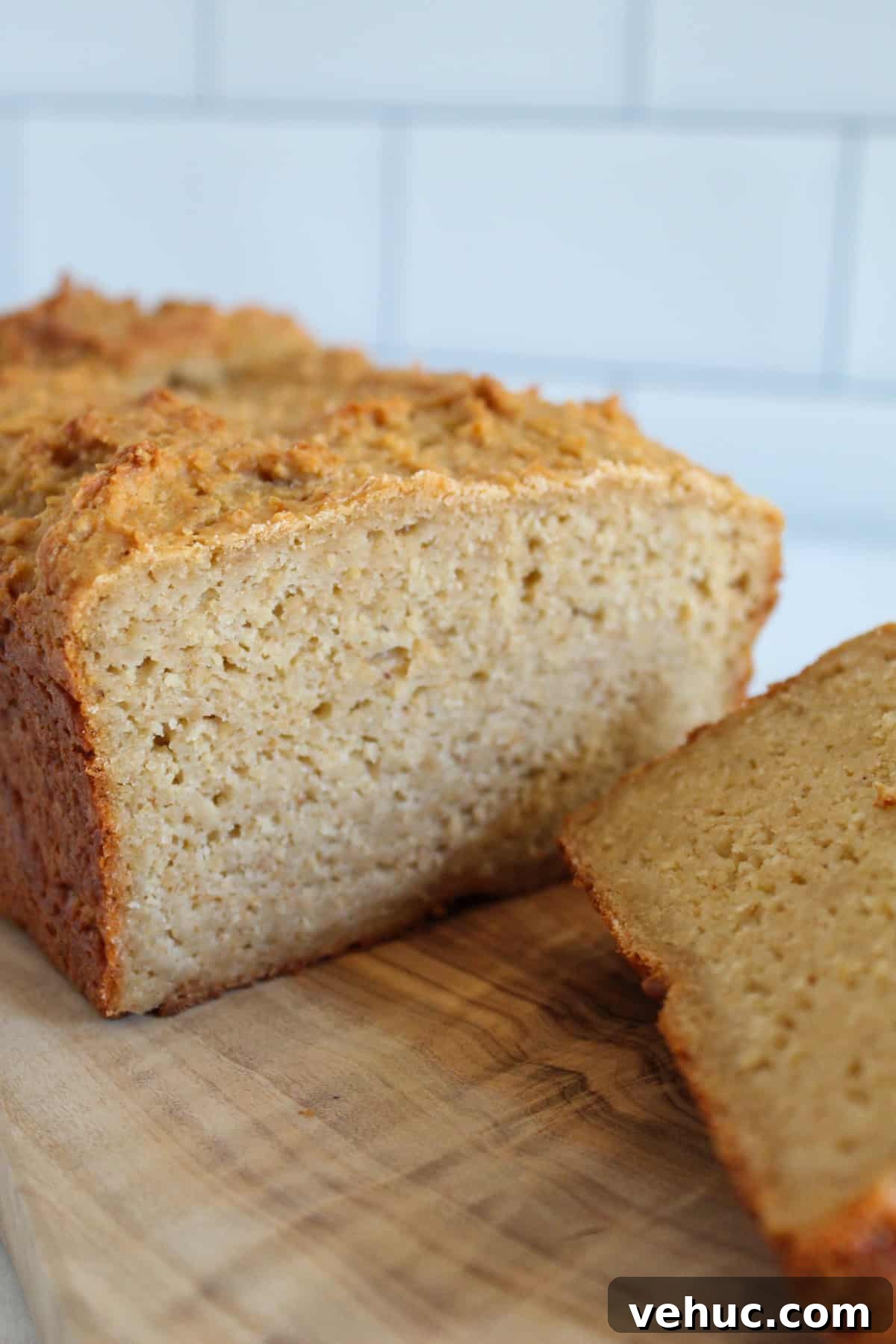
Oats are rich in protein and fiber, making them an excellent base for baking bread. This gluten free oat bread uses homemade oat flour made from simple rolled oats. One bag of oats easily turns into a generous amount of fine oat flour for this hearty, tender loaf.
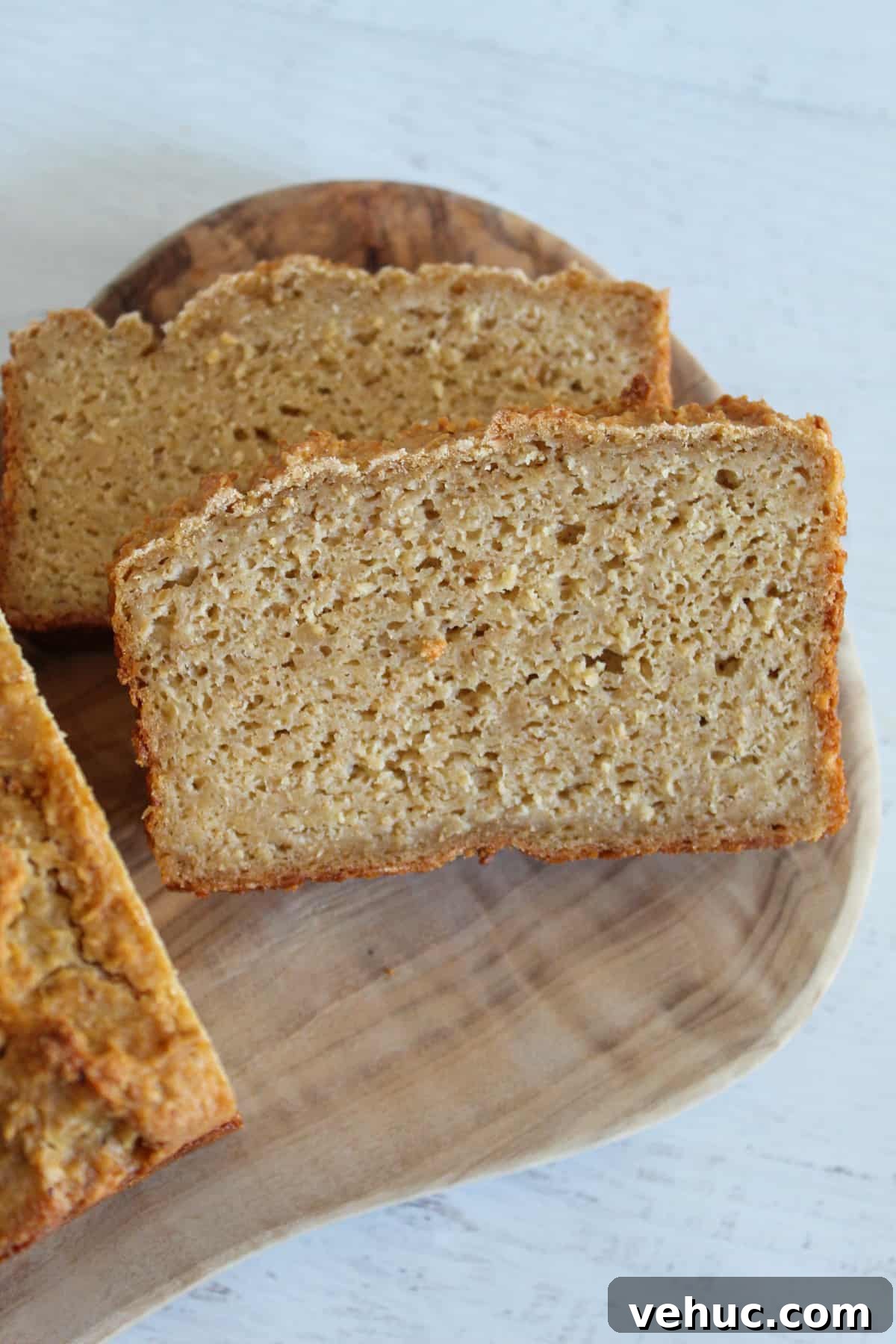
Looking for more recipes with oats and oat flour? Try oatmeal banana muffins, oatmeal chocolate chip muffins, or gluten free oatmeal raisin cookies for other ways to enjoy oats.
Table of Contents
Oats & Oat Flour Recipes: Safe for Celiac and Gluten-Sensitivity?
Pure oats are naturally gluten free, but many commercial oat products are exposed to gluten through cross-contamination during processing. If you have celiac disease or severe gluten sensitivity, only use oats labeled or certified gluten free.
How to Make Oat Flour
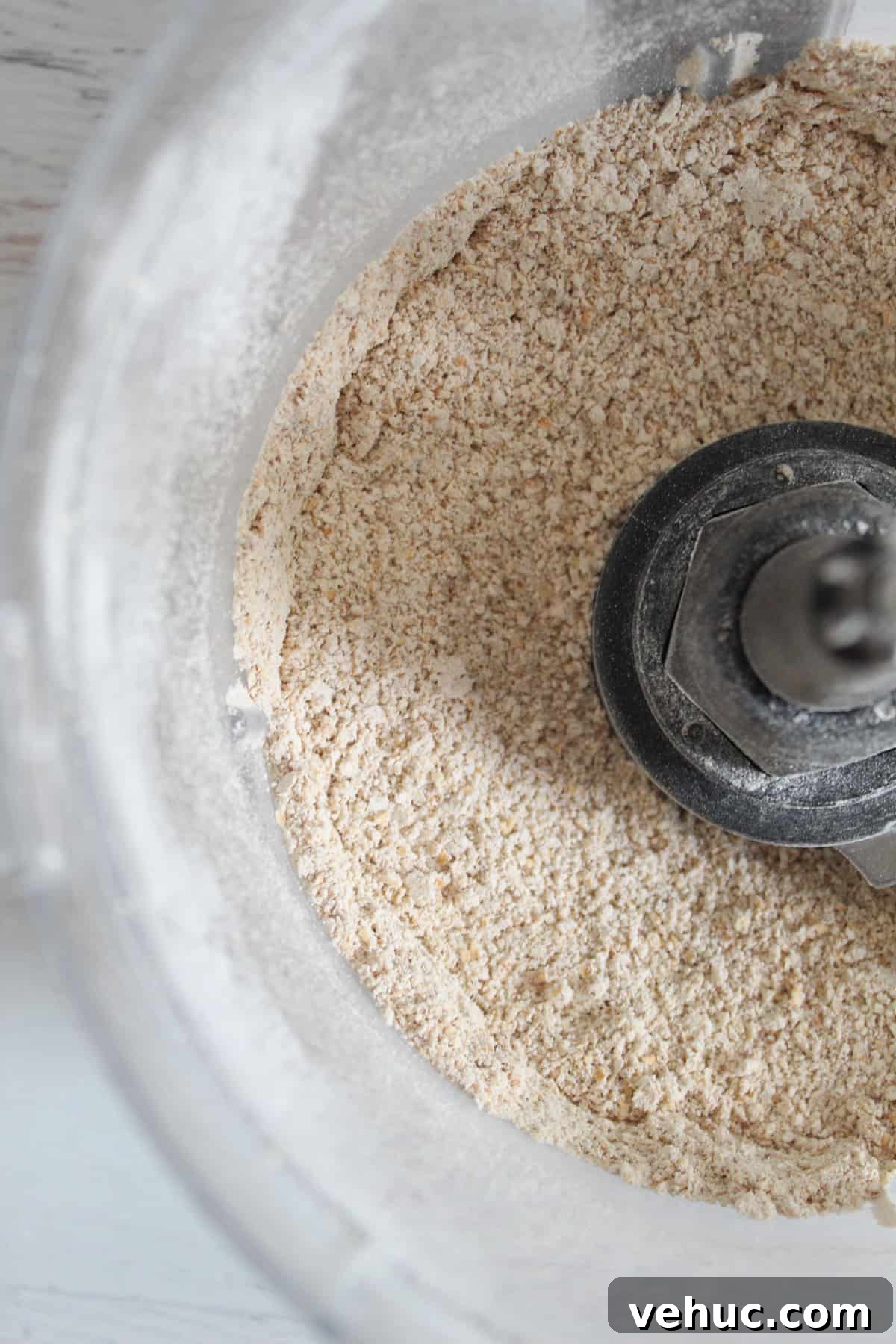
Oats are simple to grind into flour. All you need is a blender or food processor. Pulse and blend until you reach the texture you prefer—blend longer for a finer flour, or stop sooner for a coarser meal. Many bakers find making oat flour at home gives better flavor and freshness than store-bought options.
Optional: toast the oats first. Toasting isn’t required, but it deepens and intensifies the oat flavor, similar to the richer taste of toasted nuts. If you want a more robust, nutty loaf, lightly toast the oats before grinding.
Why oat flour works well in bread
Oat flour is relatively high in protein and fiber—about 17% protein and 10% fiber—so it absorbs more liquid than rice flour but less than nut flours like almond. That balance makes oat flour a particularly good choice for yeast breads, producing a loaf that is flavorful and holds together well without gluten.
Ingredients & Substitutions in this Oatmeal Bread Recipe
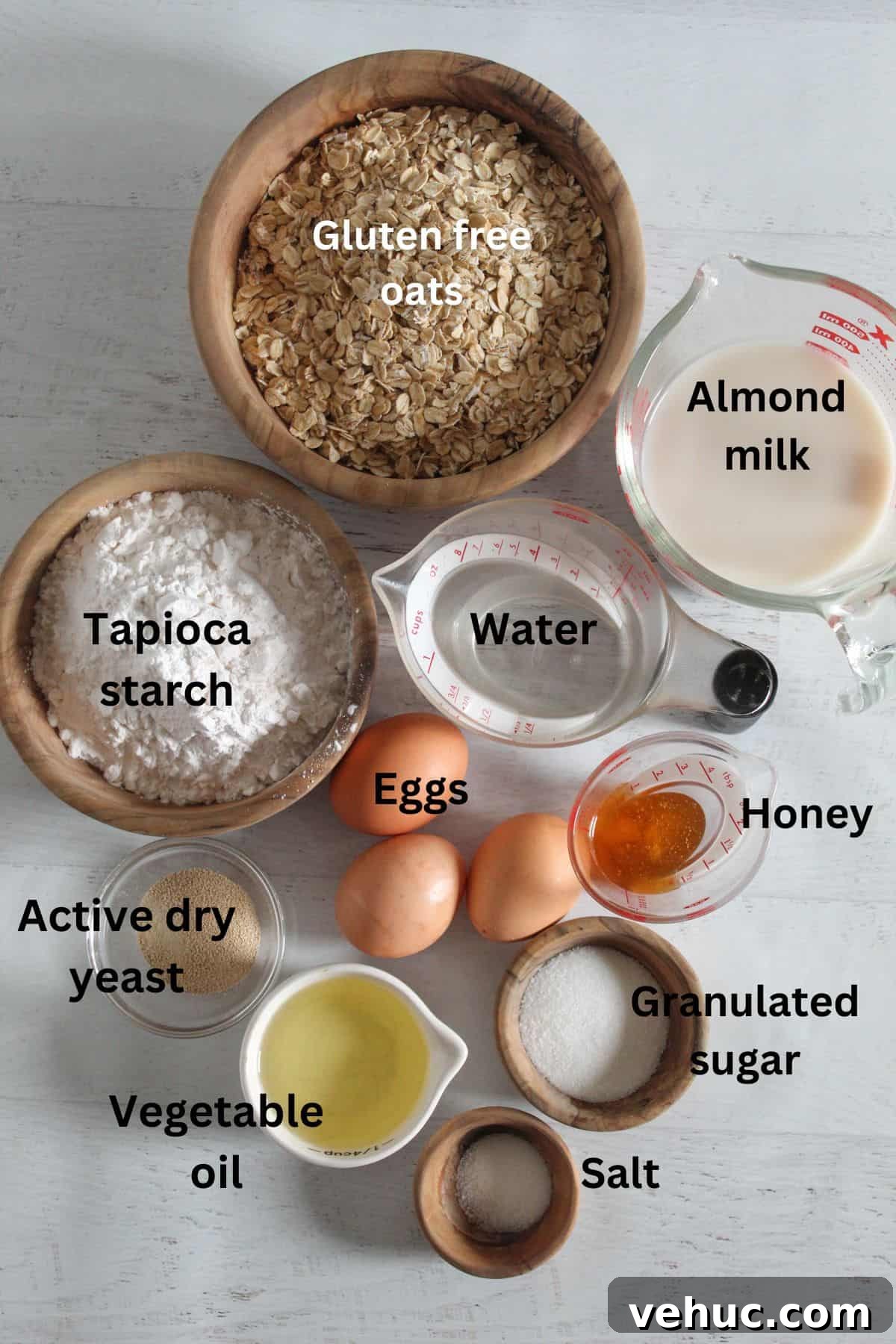
This recipe keeps the ingredient list straightforward. Make sure ingredients are at room temperature and weigh them for best results. Below are the core ingredients and reasonable substitutions where applicable:
- Gluten free oats – Use certified gluten free rolled oats. Oats are central to this recipe, so substituting them will change the loaf; choose a different bread recipe if you prefer another base.
- Tapioca starch (tapioca flour) – This provides structure and chew. You can substitute cornstarch, potato starch, or arrowroot in a pinch.
- Almond milk – Unsweetened almond milk works well; oat or coconut milk are good alternatives.
- Oil – Vegetable oil is used here. Canola, peanut, or melted coconut oil are acceptable substitutes.
- Yeast – Use active dry yeast as directed. The recipe hasn’t been tested with instant or quick-rise yeast.
- Sugar – Regular granulated sugar is used to feed the yeast; a sugar substitute like erythritol-based blends can work but may alter flavor slightly.
- Honey – One tablespoon adds depth; maple syrup can replace it if preferred.
- Eggs – Three large eggs provide structure and moisture. For an egg-free version, try chia or flax egg substitutes and expect some texture differences.
How to Make Gluten-Free Oat Bread
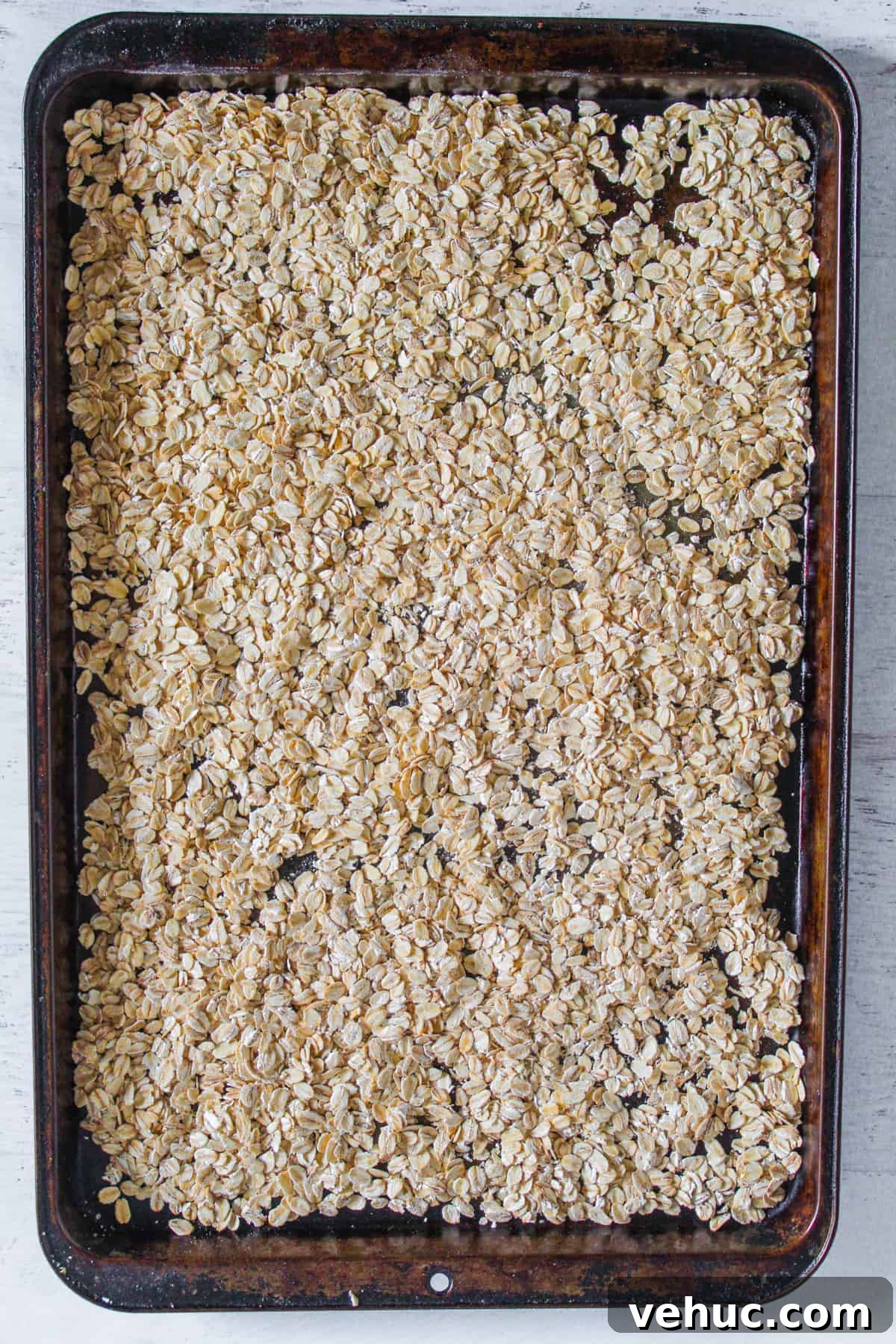
Step 1: Toast the oats on a baking sheet until lightly golden, then let them cool.
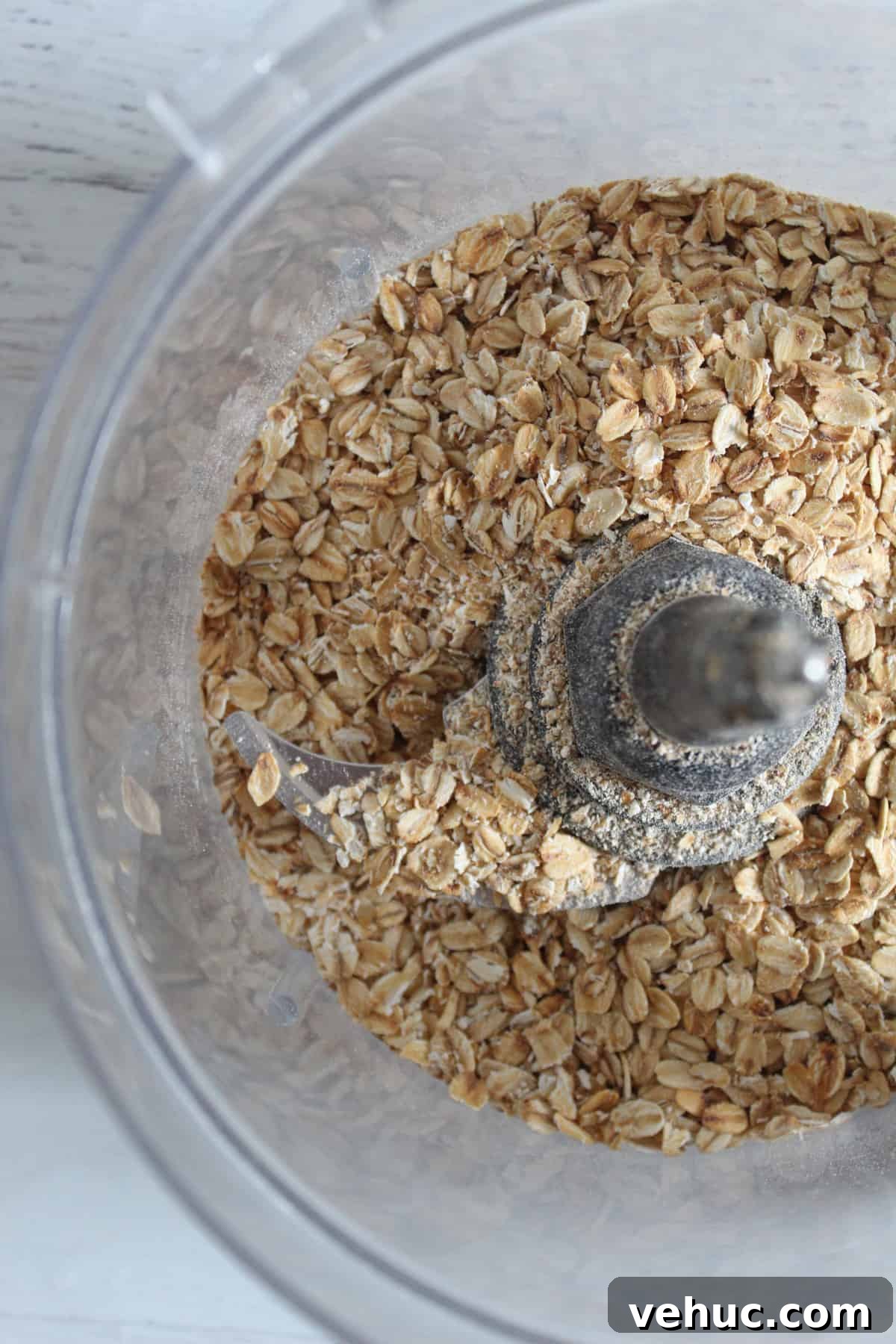
Step 2: Add the toasted oats, tapioca starch, and salt to a food processor and blend until you have a fine oat flour (about 4–5 minutes).
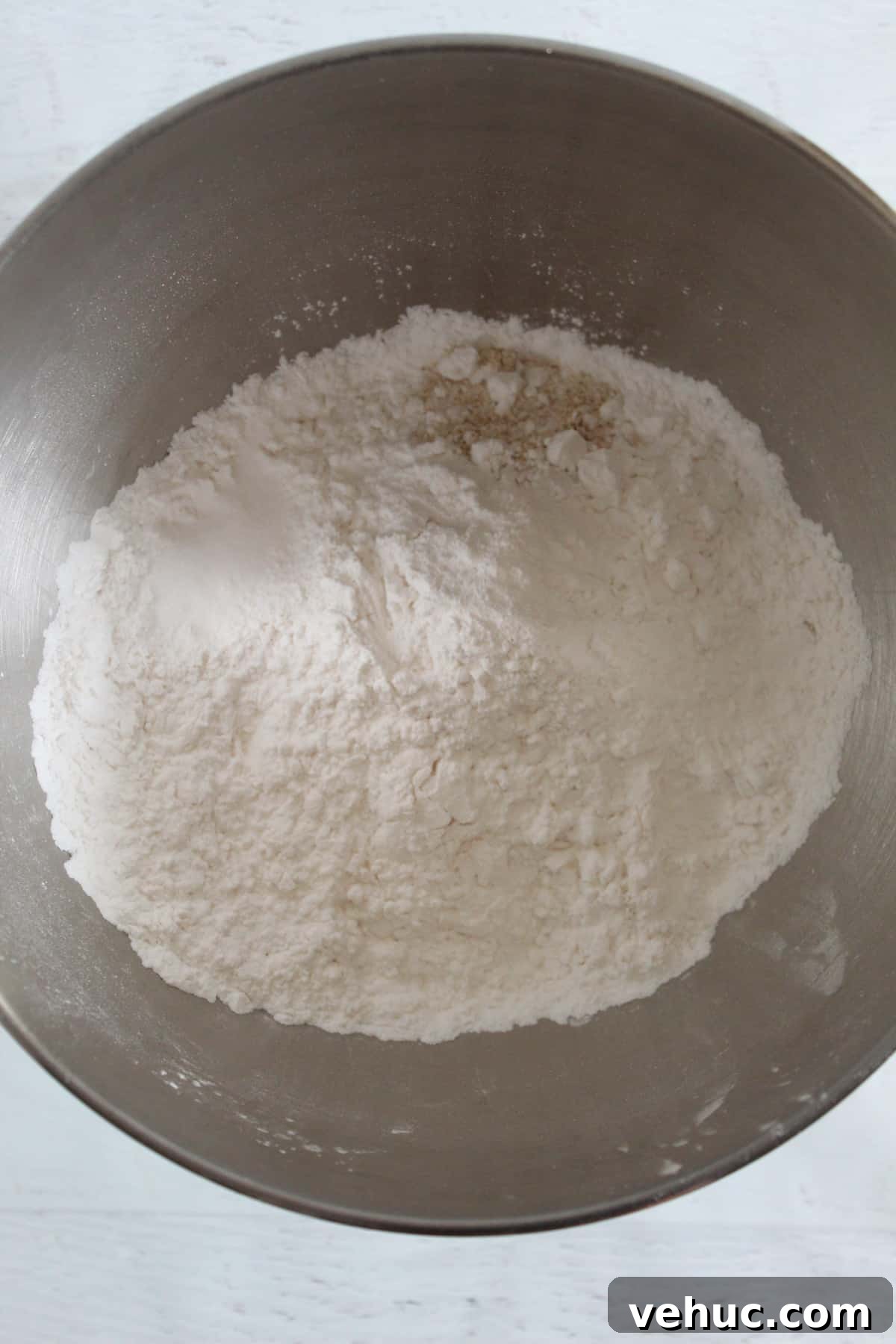
Step 3: Transfer the oat flour mixture to the bowl of a stand mixer.
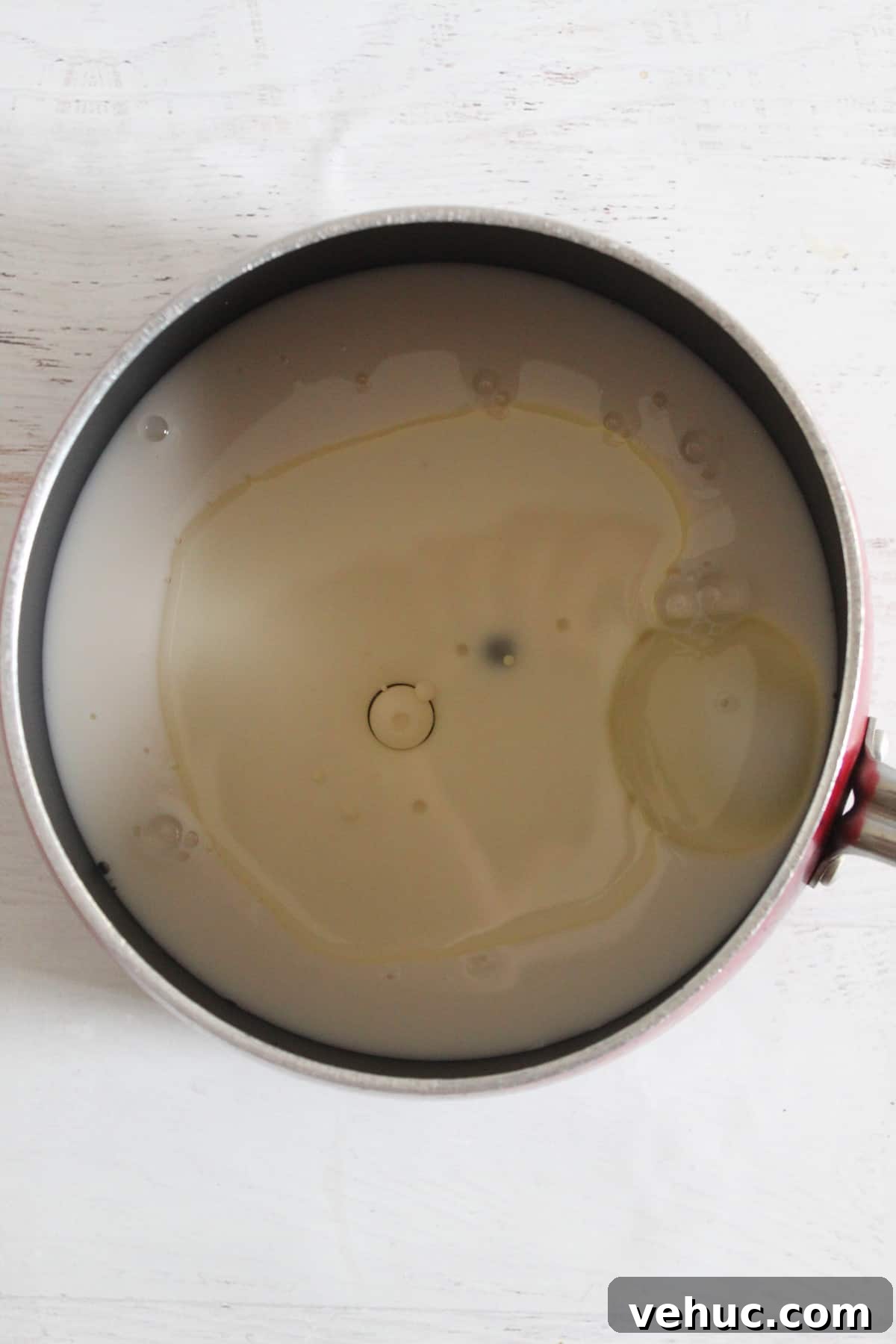
Step 4: In a small saucepan, heat the almond milk and oil together until just at a rolling boil, stirring occasionally.
Step 5: Remove the milk mixture from heat and immediately pour it into the dry ingredients. Mix on medium until fully combined—about 30 seconds to a minute. The batter will be very firm. Let it cool for 20 minutes.
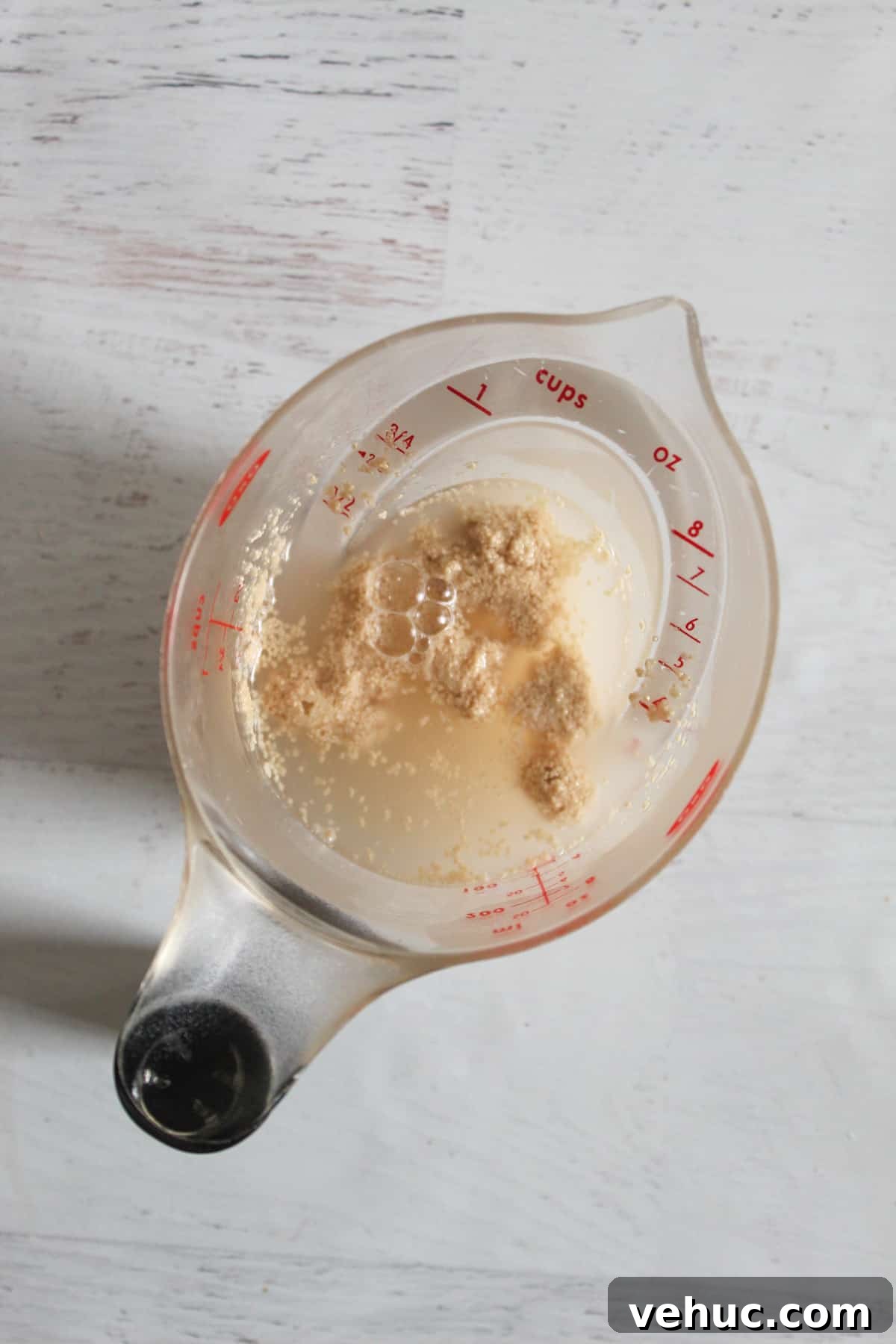
Step 6: While the batter cools, proof the yeast: stir the yeast, sugar, and warm water together and let sit for about 5 minutes until bubbly.
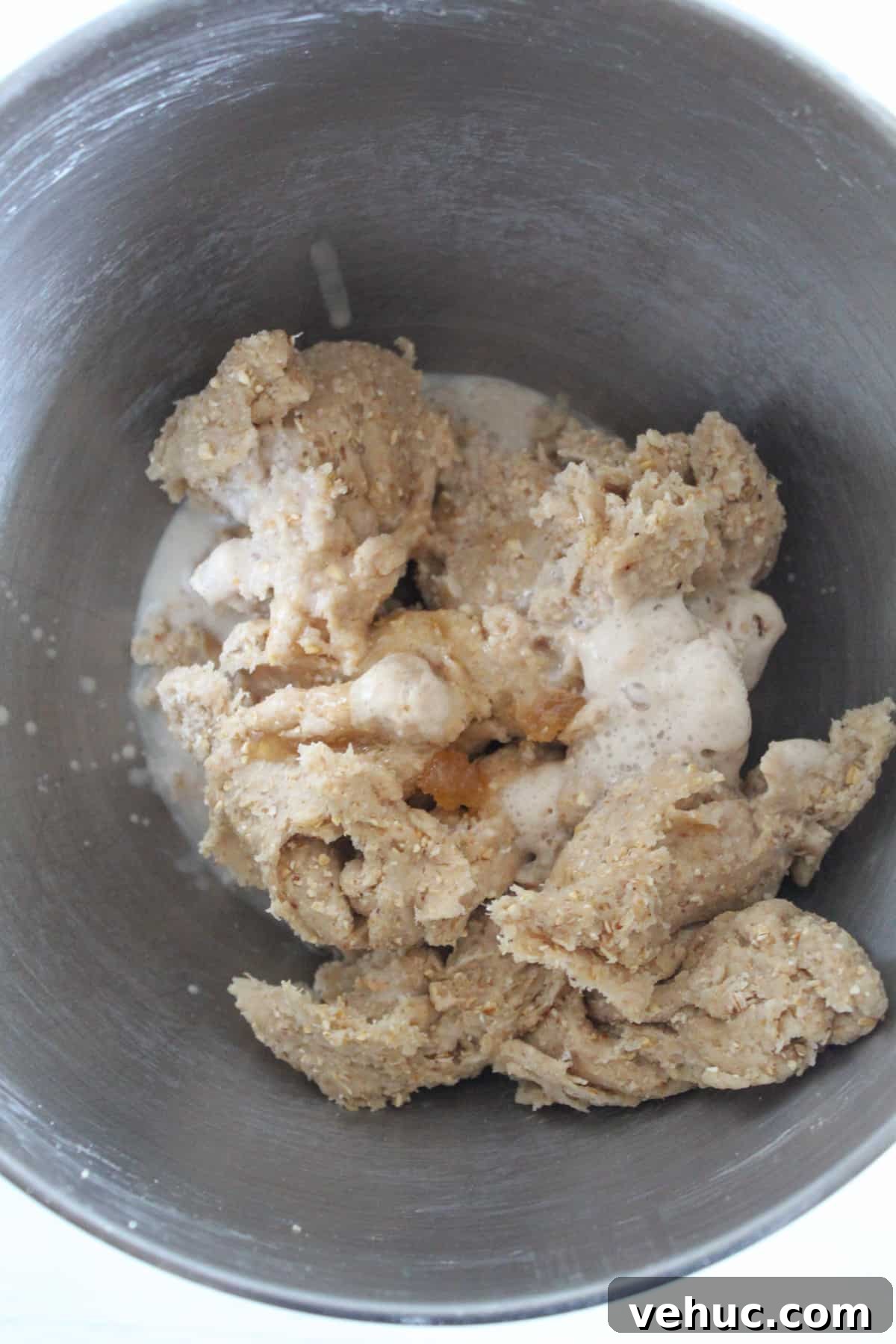
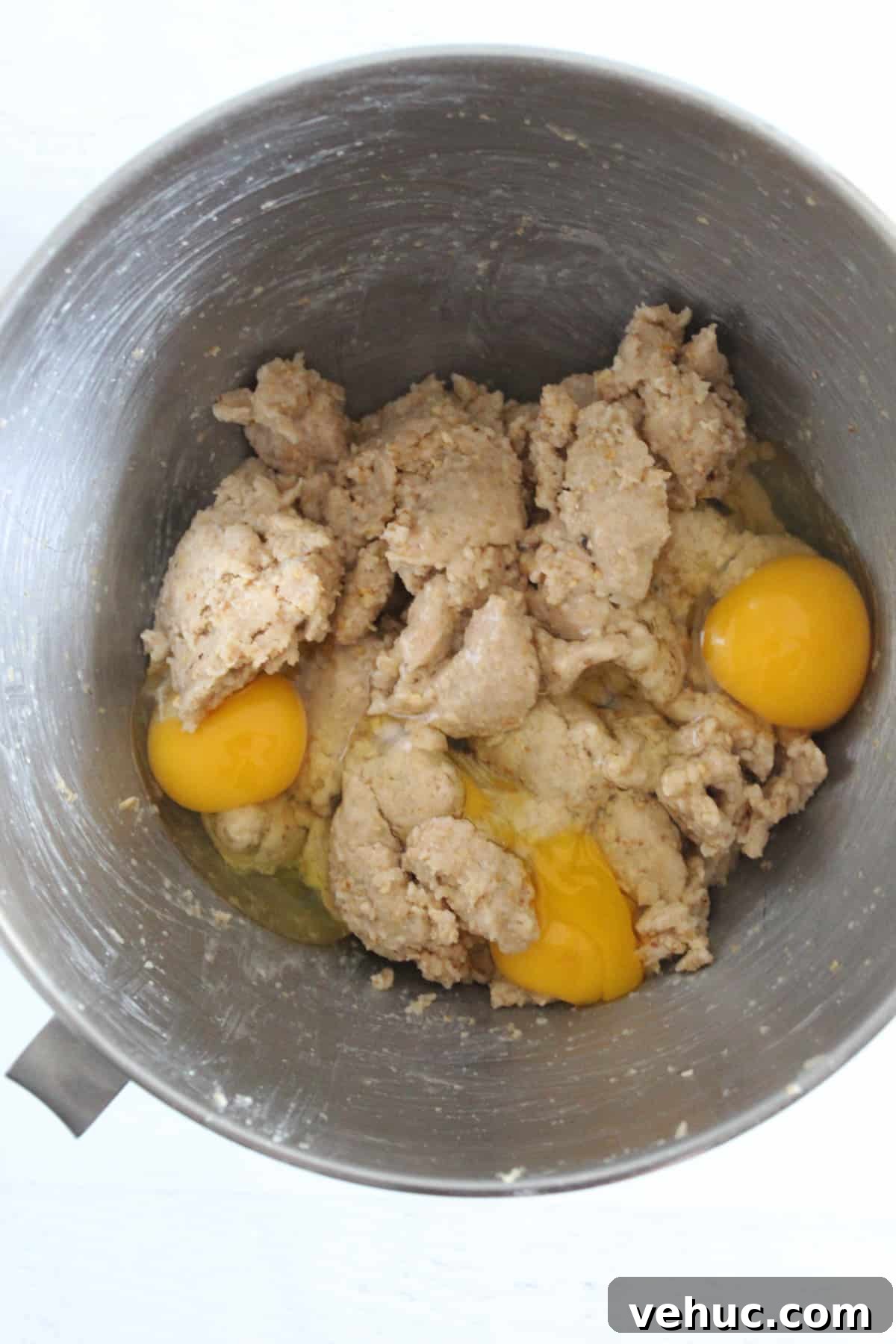
Step 7: Add the proofed yeast mixture and honey to the cooled batter and mix briefly. Then add the eggs and mix for about 1 minute on low–medium speed. The mixture will remain a stiff batter rather than a traditional kneadable dough.
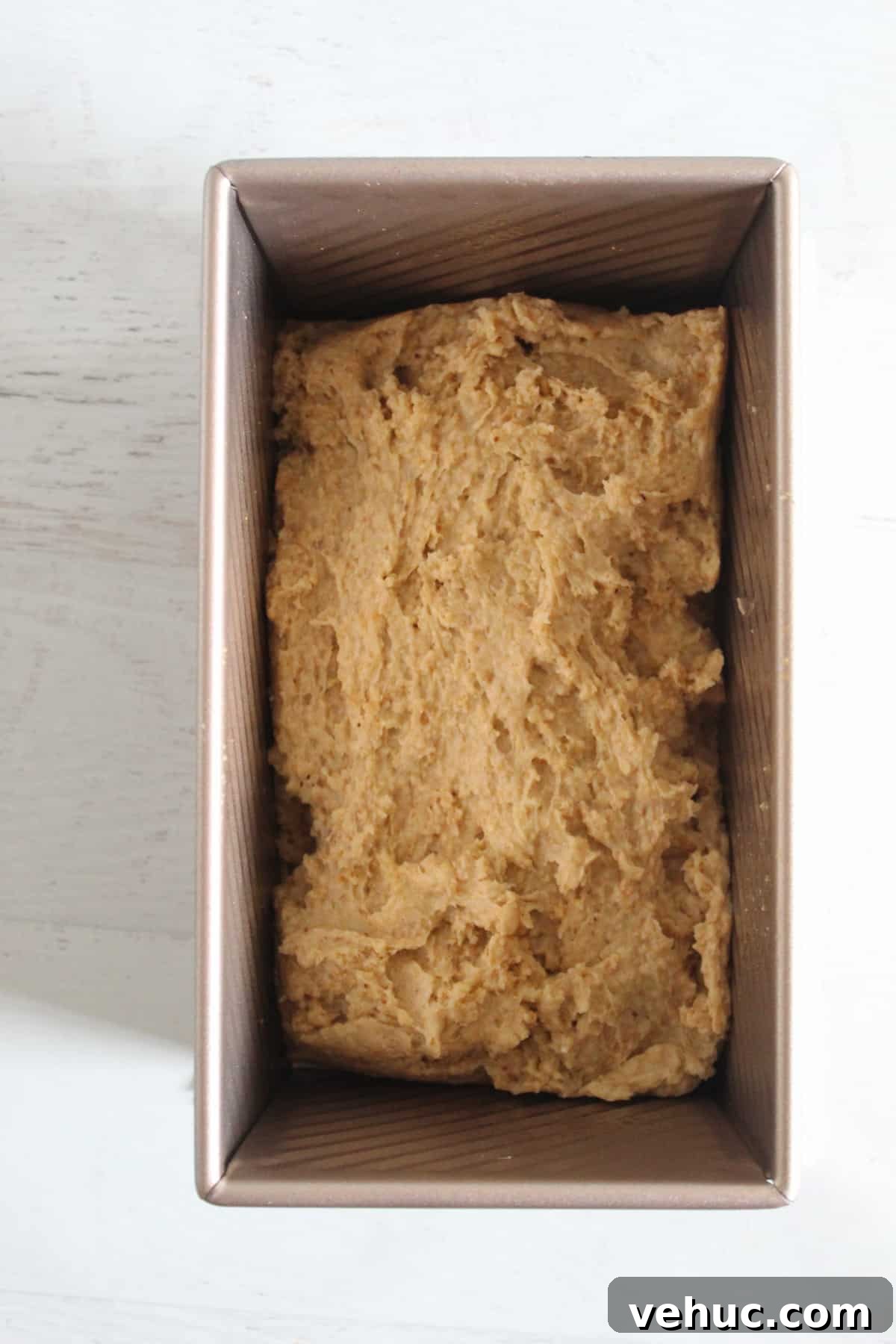
Step 8: Scrape the batter into a prepared 10″ x 4″ or 9″ x 5″ loaf pan that has been greased and lightly dusted with gluten free flour.
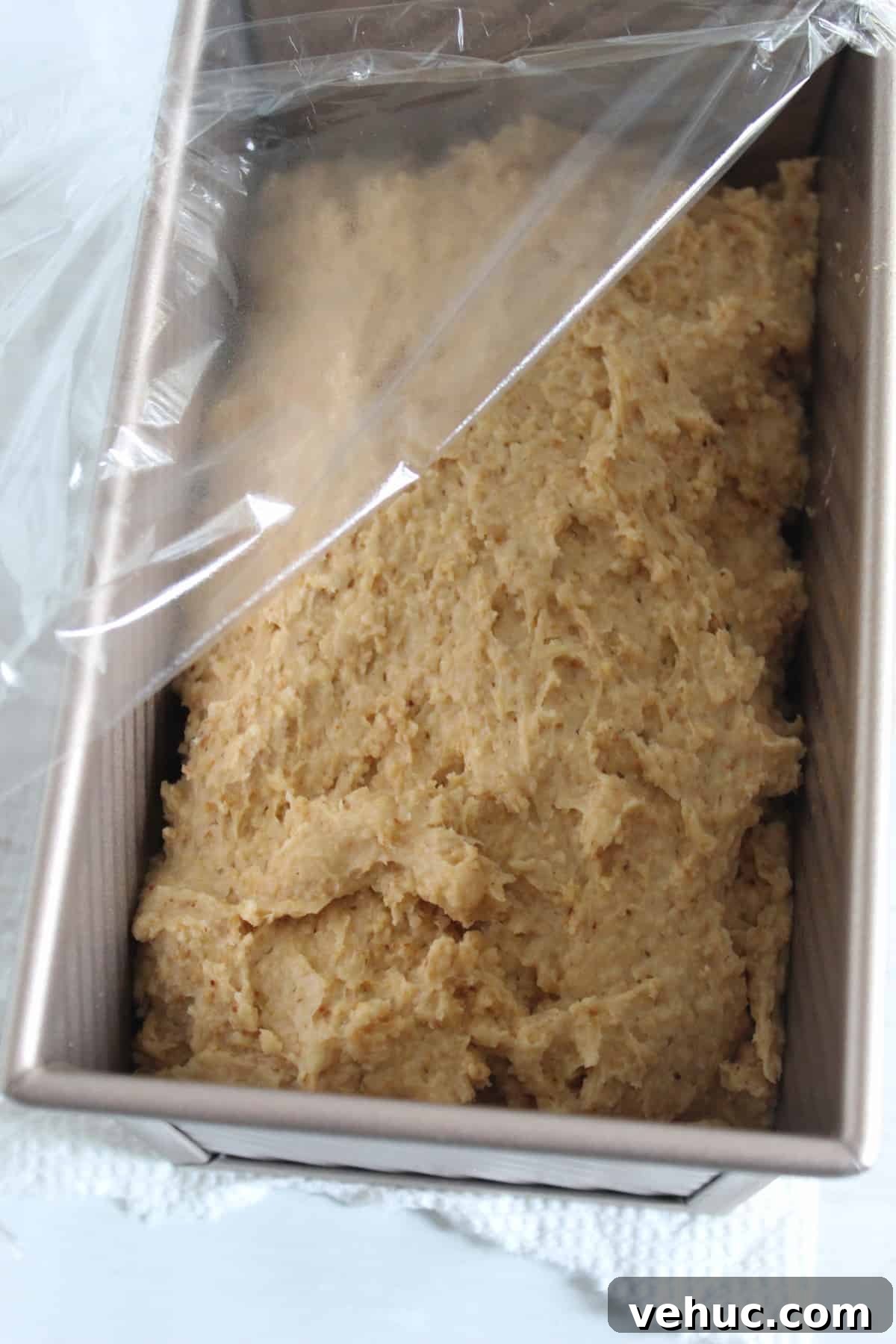
Step 9: Cover and let the batter rise until it reaches the rim of the pan—typically 15–30 minutes.
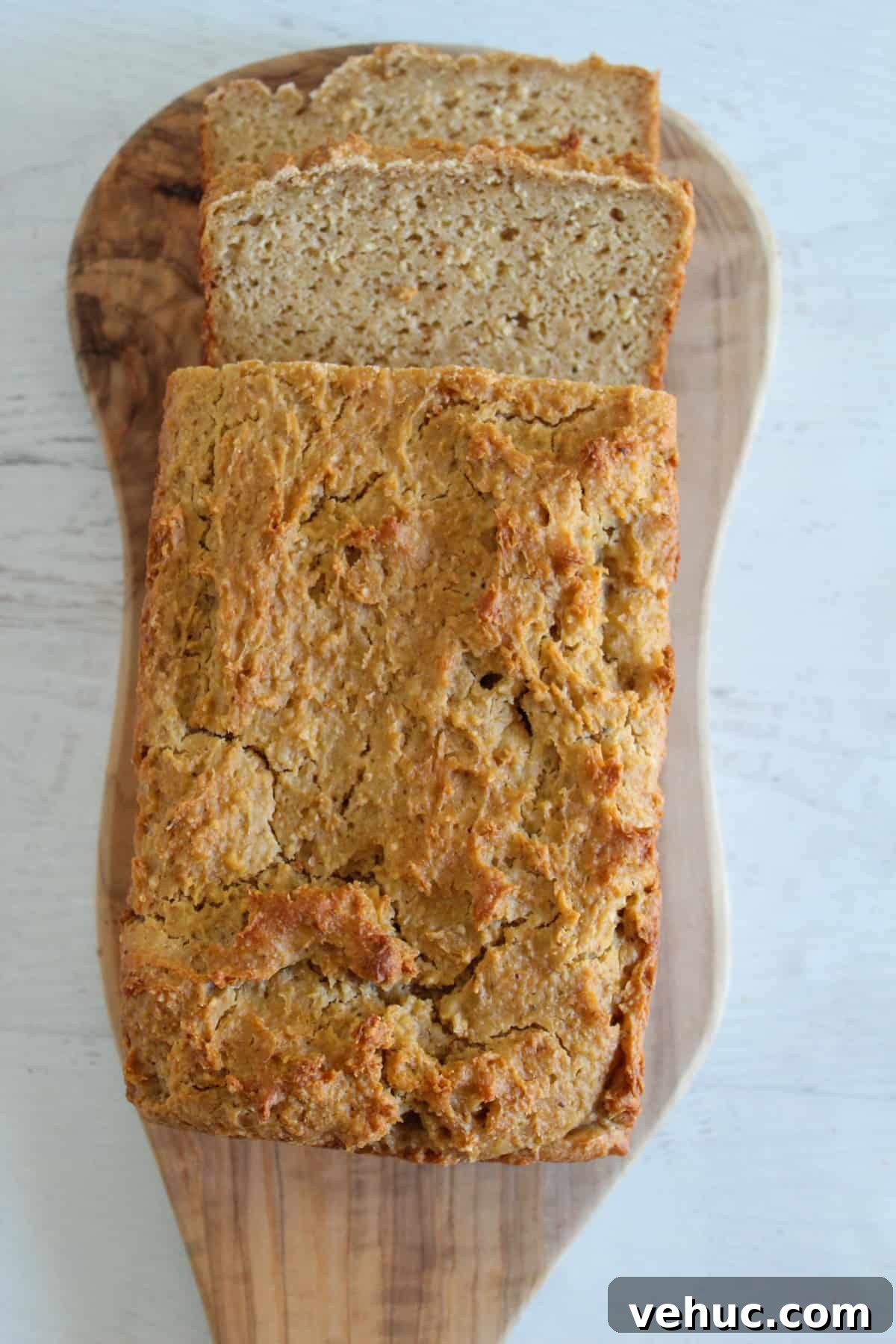
Step 10: Bake at 350°F for about 50–55 minutes, or until an instant-read thermometer inserted in the center reads 205–210°F. Begin checking at 45 minutes to avoid over-baking.
Storing this Healthy Oat Flour Bread
Store the cooled loaf in an airtight container or plastic bag at room temperature for up to 2 days. For longer storage, slice and freeze the bread. Individual slices can be toasted straight from frozen.
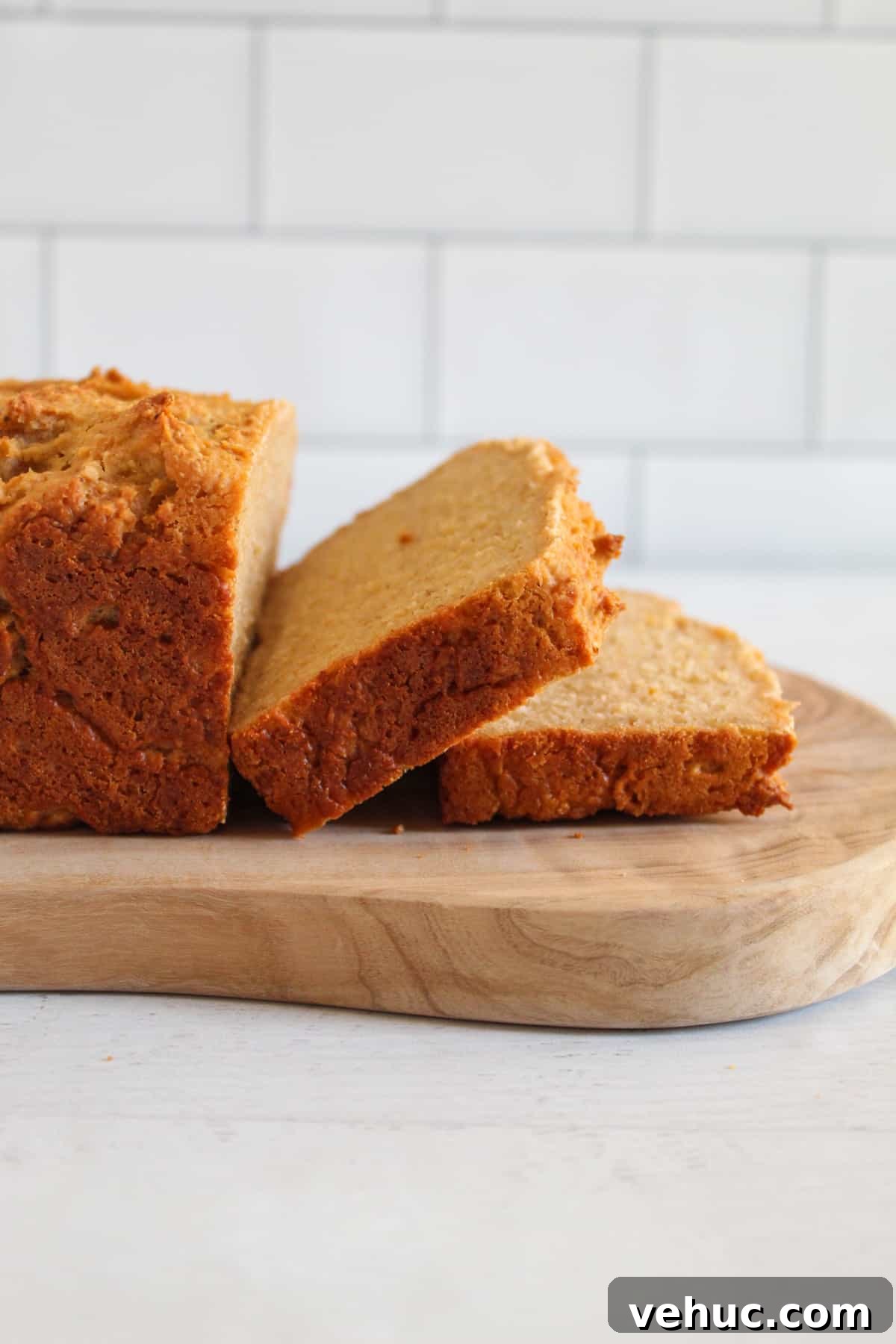
Pro Tips for this Gluten Free Oat Bread Recipe
This loaf has been tested extensively and yields a flavorful, slightly nutty bread when made carefully. Follow these pro tips for the best results:
1. Use room temperature ingredients
Cold ingredients can slow or hinder yeast activity and affect the rise. Bring eggs, milk, and other refrigerated items to room temperature before mixing. If you need to warm eggs quickly, place them in a bowl of warm (not hot) water for a few minutes.
2. Measure flours and starches by weight
Gluten free baking is sensitive to measurement differences. Weighing ingredients with a digital scale and using grams will deliver more consistent results than cups.
3. Tools that help
Helpful tools include a stand mixer, a reliable food processor for grinding oats, a digital scale, a sturdy rubber spatula for scraping stiff batter, a cookie sheet for toasting oats, and an instant-read thermometer to confirm doneness.
Gluten Free Oatmeal Bread FAQs
This oat bread is versatile—serve it with butter and honey at breakfast, use it for sandwiches at lunch, or enjoy a slice as a snack with a drizzle of honey.
Oats are the defining ingredient here. If you’d rather not use oats, choose a recipe designed for another flour such as buckwheat or a gluten free white bread recipe for best results.
Wrap tightly or place in an airtight bag. Keep at room temperature for up to two days, or slice and freeze for longer storage.
A hand mixer can be used to combine the batter, though a stand mixer makes handling the stiff batter easier.
Did you make and love this recipe? Leave a review and rating below, and tag @zest_for_baking on Instagram if you share your loaf!
Hearty Gluten Free Oat Bread
Ingredients
- 193 grams gluten free oats (about 2 cups + 2 tbsp)
- 175 grams tapioca starch (about 1 1/3 cup)
- 1 1/2 teaspoon salt
- 1 1/4 cups almond milk
- 1/4 cup vegetable oil
- 1 Tablespoon active dry yeast
- 1 Tablespoon white sugar
- 1/3 cup warm water
- 1 Tablespoon honey
- 3 large eggs
Instructions
Prepare the oats
- Preheat oven to 350°F. Spread oats on an ungreased cookie sheet and bake 12 minutes or until light golden brown. Cool.
- In a food processor, combine toasted oats, tapioca starch and salt. Pulse about 4 minutes until it becomes a fine flour. Transfer to a stand mixer bowl.
- In a small saucepan, heat the almond milk and oil to a rolling boil while stirring. Immediately pour into the bowl with the flour and mix on medium about 30 seconds to 1 minute.
- Let the mixture cool for 20 minutes.
- Meanwhile, combine yeast, sugar and warm water in a small bowl. Stir and let proof about 5 minutes.
- Add honey and the yeast mixture to the cooled batter and mix just until combined, about 30 seconds. Scrape the bowl.
- Add eggs and mix on low–medium speed for 1 minute.
- Prepare a 10 x 4 inch or 9 x 5 inch loaf pan by spraying with cooking spray and dusting with gluten free flour. Scrape batter into the prepared pan.
- Let rise 15–30 minutes until the batter reaches the top rim of the pan.
- Bake at 350°F for 50–55 minutes. Remove and cool in the pan on a wire rack for 15 minutes. Remove loaf and continue cooling on its side and then upright as directed before slicing.
- Slice and enjoy.
Notes
- Ensure ingredients are room temperature for best rise.
- Tapioca starch is the same as tapioca flour.
- Use a food processor to grind oats into flour—about 4 minutes for a fine texture.
- After adding the boiling milk and oil, the batter will be very stiff until eggs are mixed in.
- Let the batter rise only until it reaches the top of the pan.
- Use an instant-read thermometer to check the loaf reaches 205–210°F for doneness.
Nutrition
Carbohydrates: 25 g |
Protein: 5 g |
Fat: 7 g