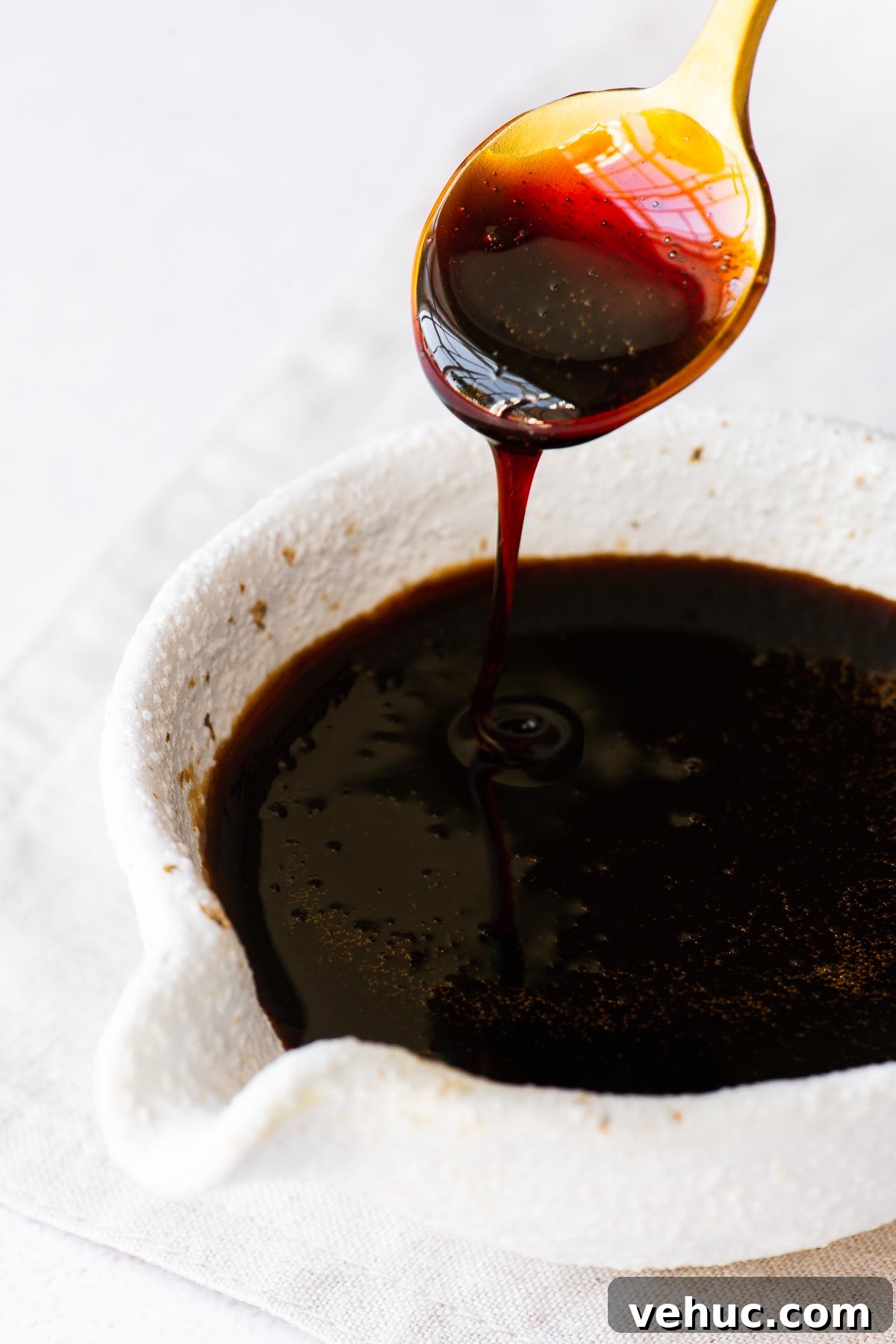
I love shop-bought sweet soy sauce (kecap manis), but it isn’t always easy to find. Fortunately, this easy sweet soy sauce substitute recipe takes just minutes to make at home.
If you’re short on time, I also include a practical list of instant substitutes so you can replicate the sweet, salty umami of kecap manis without cooking.
What is kecap manis?
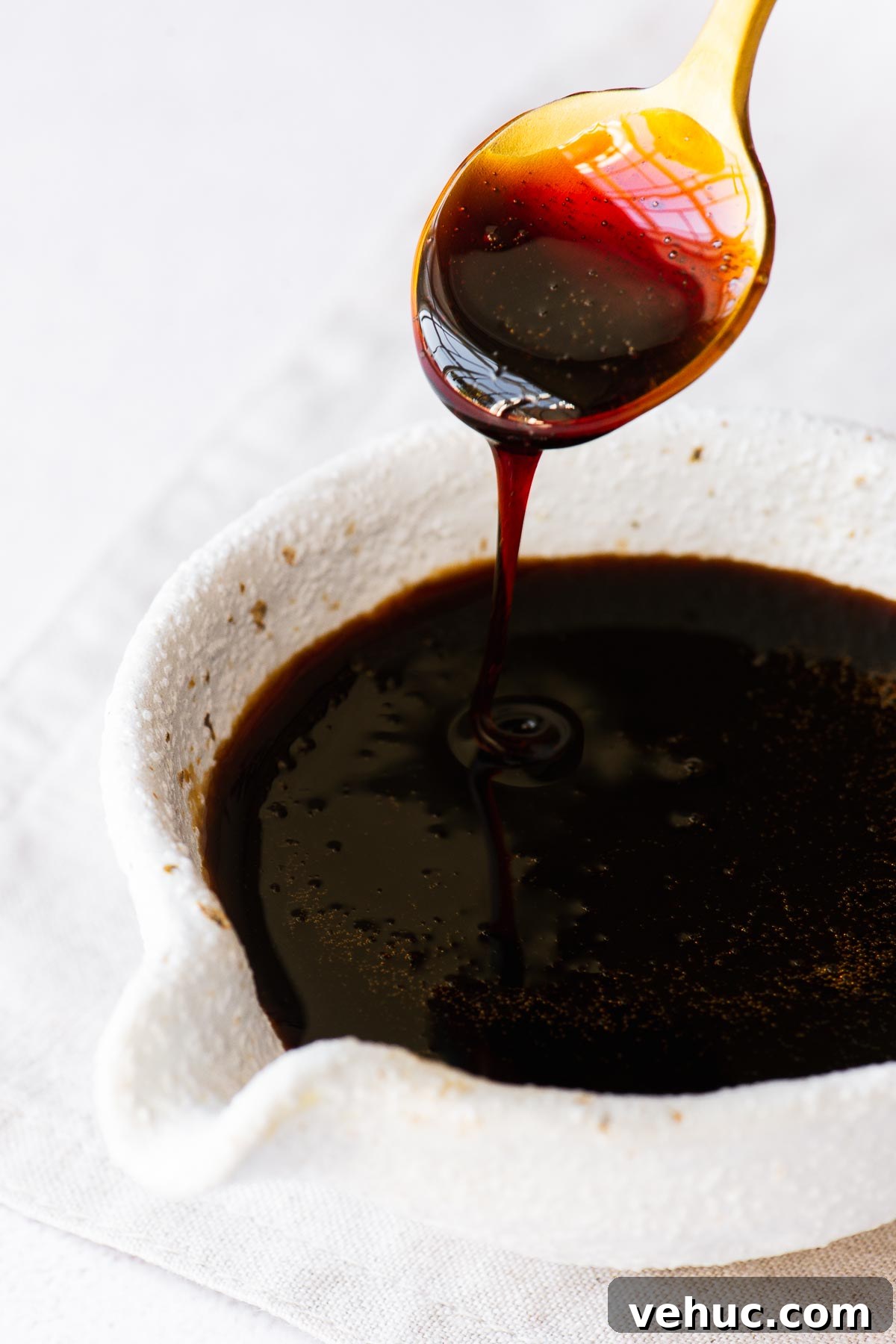
Kecap manis (also spelled ketjap manis) is an Indonesian sweet, aromatic soy sauce. It’s darker and thicker than regular soy sauce, with a prominent caramel sweetness.
The sweet profile comes from a generous amount of palm sugar, jaggery or molasses. Many recipes also include warm spices such as star anise, cinnamon, coriander, clove or black pepper; I usually add a single star anise pod for depth without overpowering the sauce.
Sweet soy sauce is central to Indonesian cooking. It lends rich umami and caramel notes to classics like nasi goreng (Indonesian fried rice) and mie goreng (fried noodles), and it’s commonly used in marinades, dipping sauces and dressings.
The best sweet soy sauce substitute
Making kecap manis at home is quick and effective: simmer soy sauce with a sweetener until it reaches a syrupy consistency. This homemade version is the closest match to store-bought kecap manis.
If you’d rather not simmer, keep reading for reliable instant alternatives.
Homemade sweet soy sauce ingredients
- Soy sauce: Most regular soy sauces (not dark soy sauce) work well.
- Light soy sauce is ideal — it’s less salty and has a more delicate soy flavour.
- All-purpose soy sauce (for example, common bottled brands) also works if that’s what you have on hand.
- Avoid dark soy sauce because it already contains added sweetness and a thicker texture; it can make the result too intense.
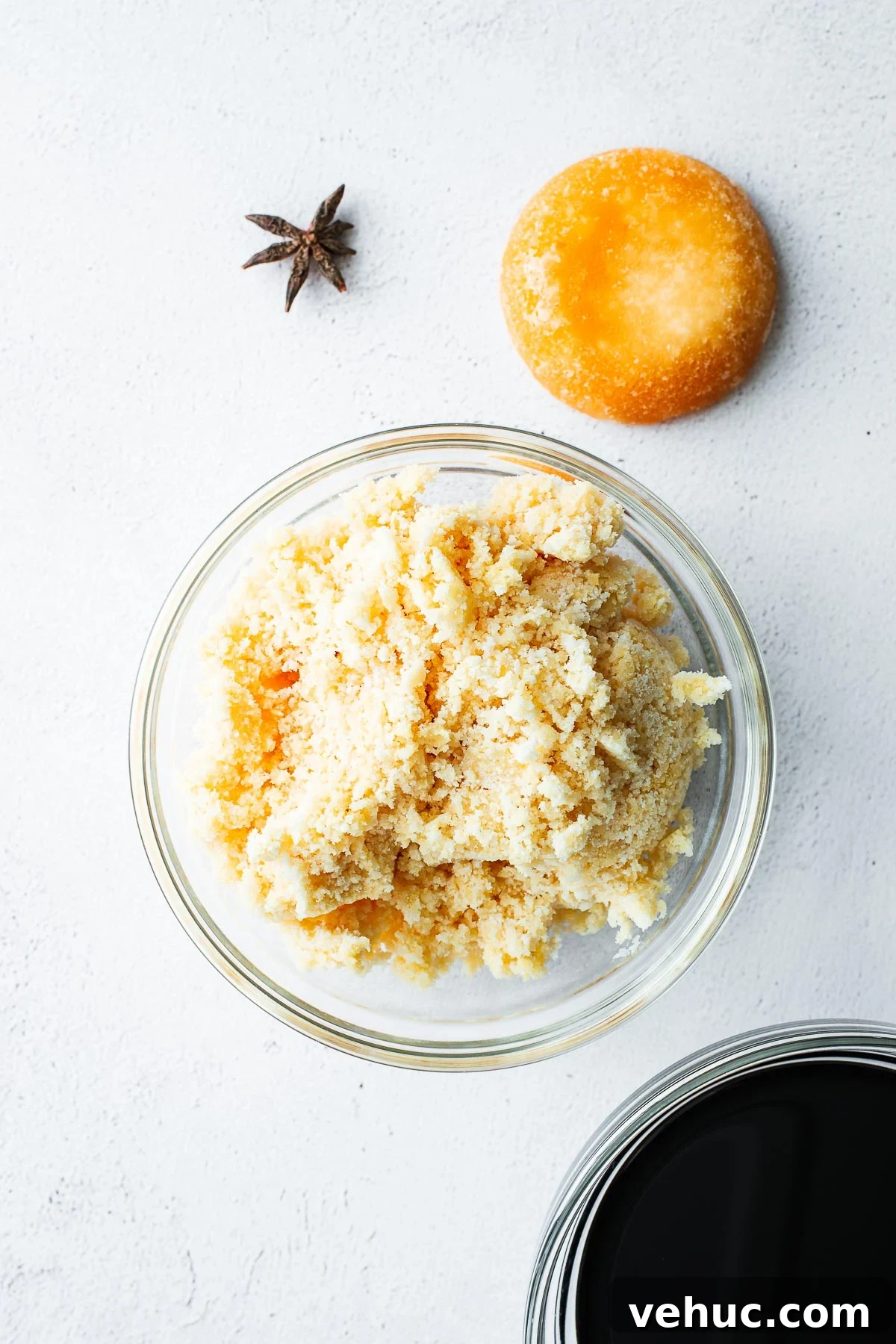
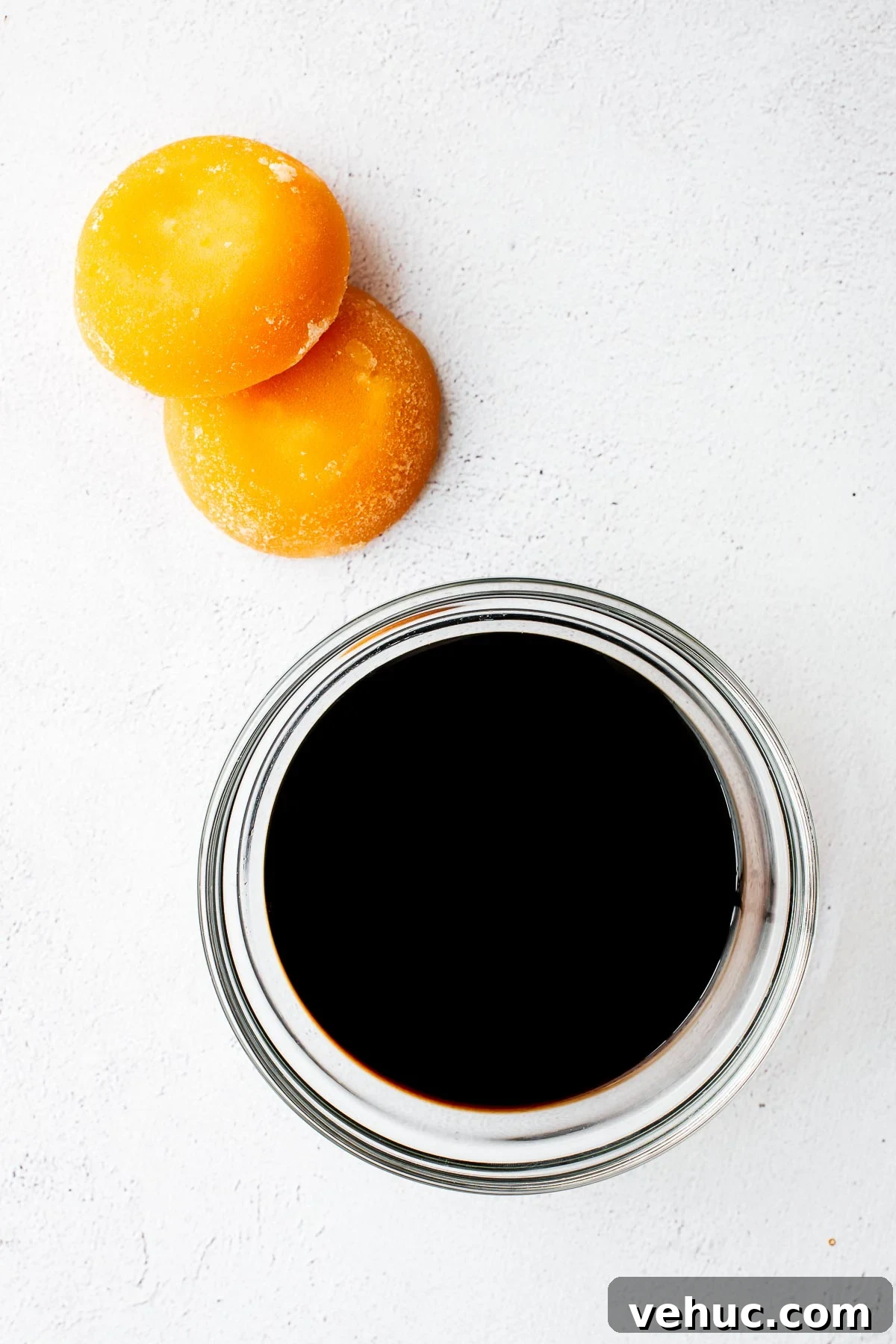
- Palm sugar: Traditional kecap manis uses palm sugar or jaggery for a deep caramel profile. If your palm sugar comes in a block, grate it first. Coconut sugar or brown sugar can be used instead; brown sugar lacks the smoky caramel note but still produces a sweet, effective sauce.
- Spices: One star anise pod or a small piece of cinnamon adds warmth and complexity. These are optional but recommended for a more authentic flavour.
How to make sweet soy sauce
This homemade kecap manis is the simplest and most faithful substitute for store-bought sweet soy sauce. A short recipe card follows below.
Combine your chosen soy sauce (light, all-purpose or tamari) with grated palm sugar, coconut sugar or brown sugar in a small saucepan. Add a star anise pod if you like.
The star anise is optional but adds a subtle caramel-like depth that complements the sauce’s sweet and salty balance.
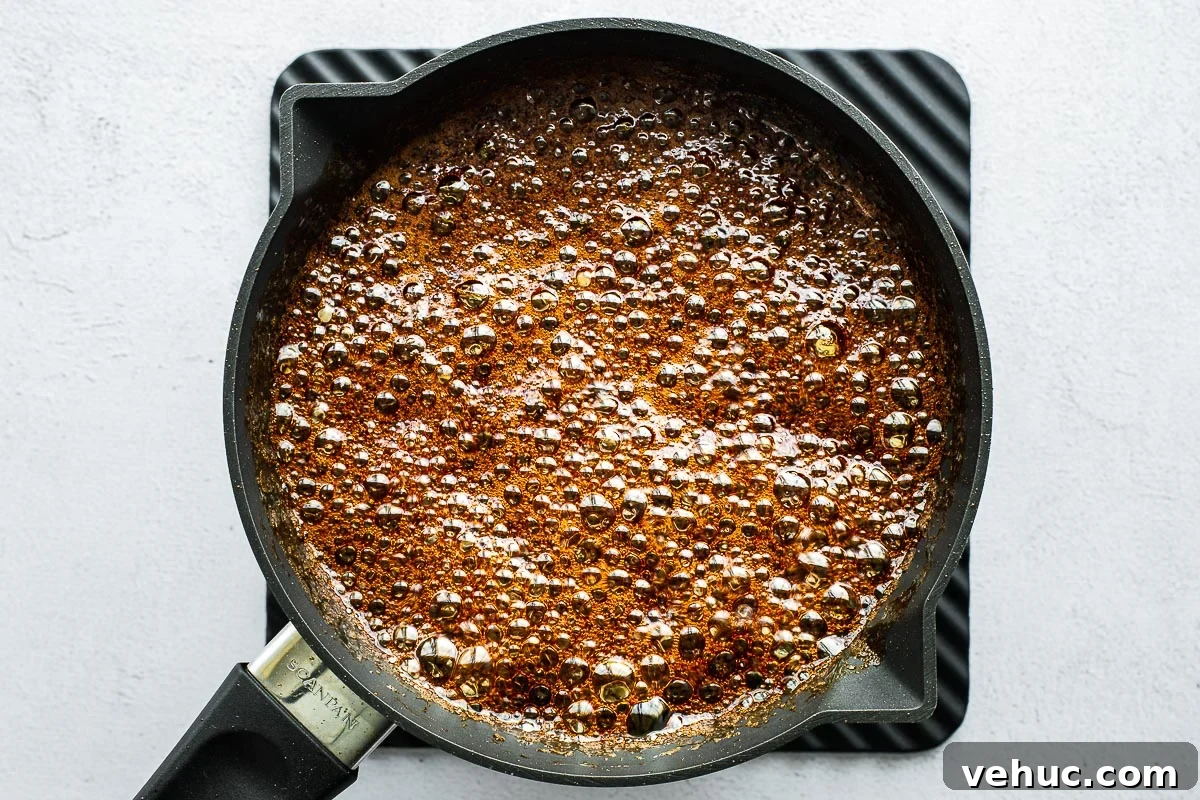
Bring the mixture to a boil over medium-high heat, then reduce to a gentle simmer and cook for five to ten minutes, stirring regularly. Watch the pan carefully — if it starts to boil too vigorously, remove it from the heat briefly and stir, then return it to the heat once it calms down.
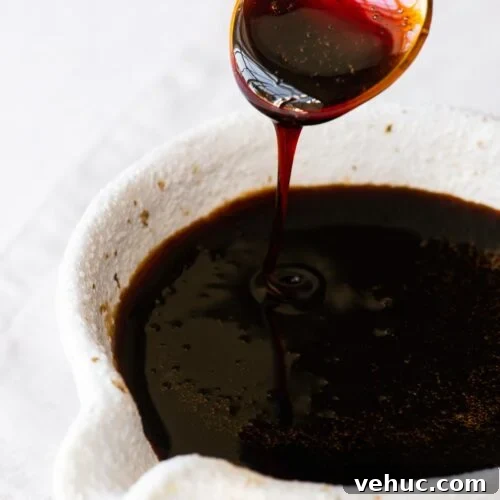
Simmer until the sauce thickens to the consistency of maple syrup. This should take no more than ten minutes; the sauce will continue to thicken as it cools.
Allow it to cool completely, then use immediately or store in an airtight container in the refrigerator. Properly stored, it keeps for over a month.
11 Substitutes for sweet soy sauce (kecap manis)
Kecap manis combines salty soy, deep caramel sweetness and a syrupy texture. These substitutes recreate that profile to varying degrees; use them 1:1 in recipes calling for sweet soy sauce unless noted otherwise.
1. Homemade kecap manis (the best substitute)
The top option is homemade sweet soy sauce: simmer light or regular soy sauce with palm, coconut or brown sugar until syrupy. See the recipe card below for quantities and method.
2. Soy sauce with palm sugar
Mix equal parts soy sauce and palm (or coconut) sugar by volume and stir until the sugar dissolves. This is a fast, no-cook option when you only need a small amount. It won’t be as thick but delivers the right sweet-salty umami.
3. Regular soy sauce with brown sugar
Mix equal parts soy sauce and brown sugar. Heat briefly if needed to help the sugar dissolve. Brown sugar lacks some of the smoky-caramel notes of palm sugar but still makes a useful substitute.
4. Soy sauce with maple syrup
Combine equal parts soy sauce and maple syrup. Good maple syrup brings rich caramel and slight smokiness, making it one of the better quick substitutes.
5. Soy sauce with honey
Mix one part soy sauce with half part mild honey. Warm the mixture briefly if it’s difficult to combine. Use a neutral-tasting honey so it doesn’t overpower the soy.
6. Sweetened tamari
Tamari can be thicker and richer than some soy sauces and works well as a base for homemade kecap manis or mixed directly with sweeteners (palm, coconut, brown sugar, maple or honey).
7. Coconut aminos
Coconut aminos are made from fermented coconut sap blended with salt. They’re lower in sodium and slightly sweet. For a closer match to kecap manis, mix coconut aminos with sugar (about half a part sugar to one part aminos).
8. Dark soy sauce (Lao chou)
Dark soy sauce is thicker and darker due to added caramel or molasses and extended aging. It’s savory and less sweet than kecap manis, so add a quarter part palm/coconut/brown sugar or maple syrup to bring sweetness up to par.
9. Oyster sauce
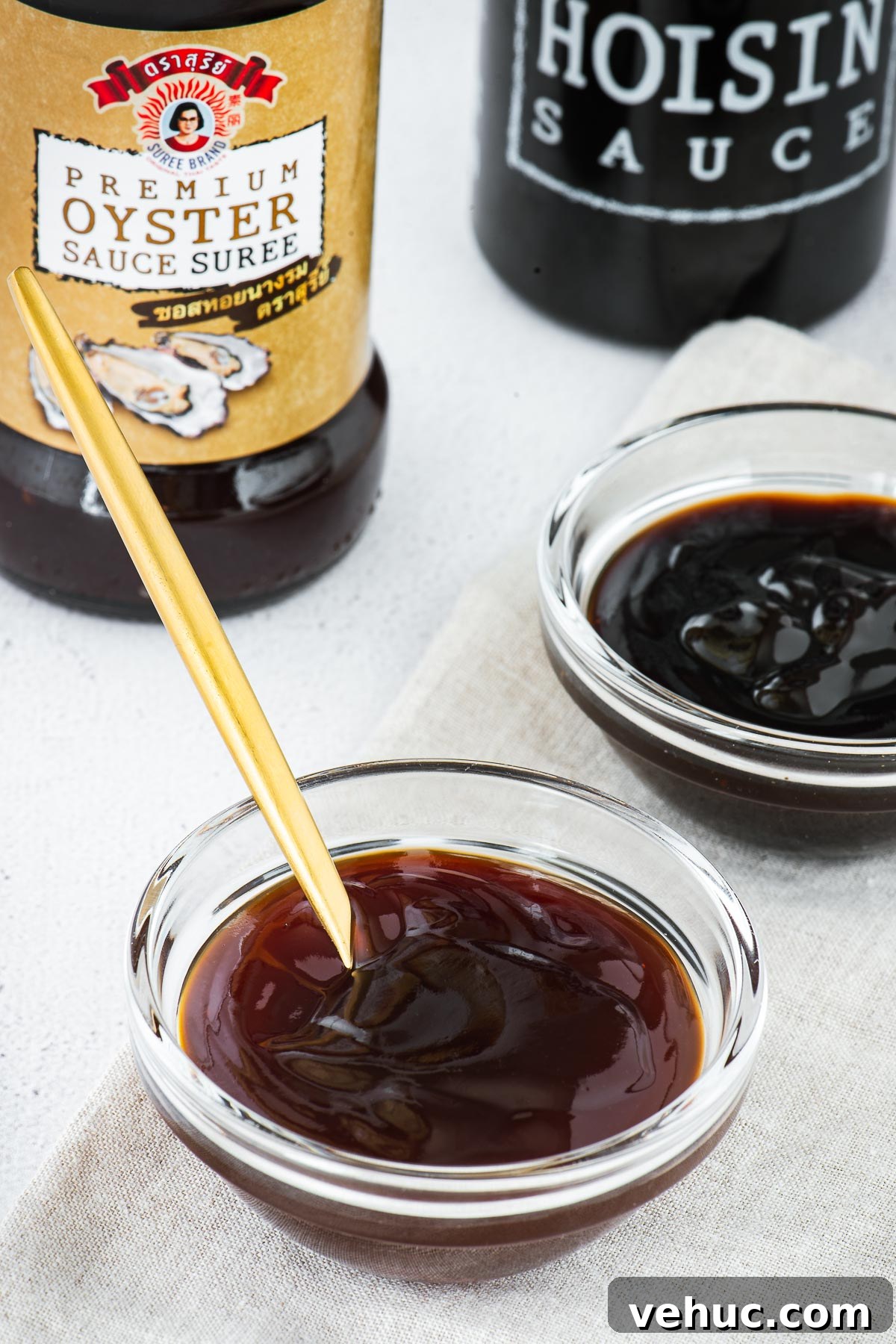
Oyster sauce is dark, thick and umami-forward with some sweetness. It’s not vegetarian unless a mushroom-based version is used. To mimic kecap manis, add a touch of maple syrup and a splash of dark soy to balance saltiness and deepen colour.
10. Hoisin sauce
Hoisin is thick, sweet and rich in fermented soybean flavours. It’s often sweeter and more complex than simple soy-and-sugar mixtures; if it’s very thick, thin it with a little water or soy sauce before using as a substitute.
11. Tianmian sauce
Tianmian (sweet bean or sweet flour sauce) is a Chinese paste made primarily from fermented wheat flour. Its texture is similar to hoisin and the taste ranges from mildly sweet to savory; thin with soy or water if it’s too dense.
How to use sweet soy sauce
Sweet soy sauce brightens stir-fries, acts as a tasty marinade, and makes rich dressings for salads, roasted vegetables, tofu, rice and noodle bowls.
- Nasi goreng: Indonesian fried rice relies on kecap manis for its signature caramelised flavour. Add vegetables before the rice for a fuller dish — diced broccoli and sliced cabbage work well.
- Ginger-sweet soy dressing: Mix two tablespoons sweet soy sauce with one tablespoon sesame oil, one tablespoon toasted sesame seeds, one tablespoon rice vinegar and a teaspoon grated ginger for an easy dressing.
- Bibimbap-style sauce: Combine two tablespoons gochujang with two tablespoons sweet soy sauce, one tablespoon sesame oil and half a tablespoon rice vinegar for a quick bibimbap topping.
- Marinade: Mix sweet soy with sesame oil, Chinese five-spice, garlic and chilli flakes for a simple, flavourful marinade for mushrooms, tofu or vegetables before roasting.
Related recipes:
- Bibimbap sauce (Korean gochujang sauce)
- Roasted pink oyster mushrooms
- Silken tofu with sweet and spicy soy dressing
Summary
There are many practical substitutes for kecap manis. Most homemade options pair soy (or tamari/coconut aminos) with a sweetener. Store-bought sweet and savoury sauces such as hoisin or tianmian can work in a pinch if adjusted for sweetness and consistency.
For the closest match, make the quick homemade sweet soy sauce provided in the recipe below.
Sweet soy sauce recipe
Equipment
-
1 small saucepan
Ingredients
- ½ cup soy sauce
- ¾ cup palm sugar (or coconut sugar)
- 1 star anise pod, whole (optional)
Instructions
-
Add soy sauce, sugar and star anise (optional) to a small saucepan.
-
Bring to a boil over medium-high heat, then reduce to low and simmer for 5–10 minutes, stirring often.
-
Cook until the sauce thickens to the consistency of maple syrup. It will continue to thicken as it cools.
-
Remove from heat and let cool completely.
-
Use immediately or store in a sealed container in the fridge for up to a month or more.
Notes
- Monitor the sauce while it simmers. If it begins to surge or boil too hard, remove the pan briefly and stir to calm it down.
- If your palm sugar is a block, grate it before adding so it dissolves easily.
- See the ingredients section for more details and substitute options.
Read more about favourite Asian ingredients:
- Hoisin sauce vs oyster sauce: What’s the difference?
- Gochugaru (Korean chilli flakes)
- Gochujang (Korean fermented bean paste)
- Chinese five-spice substitutes