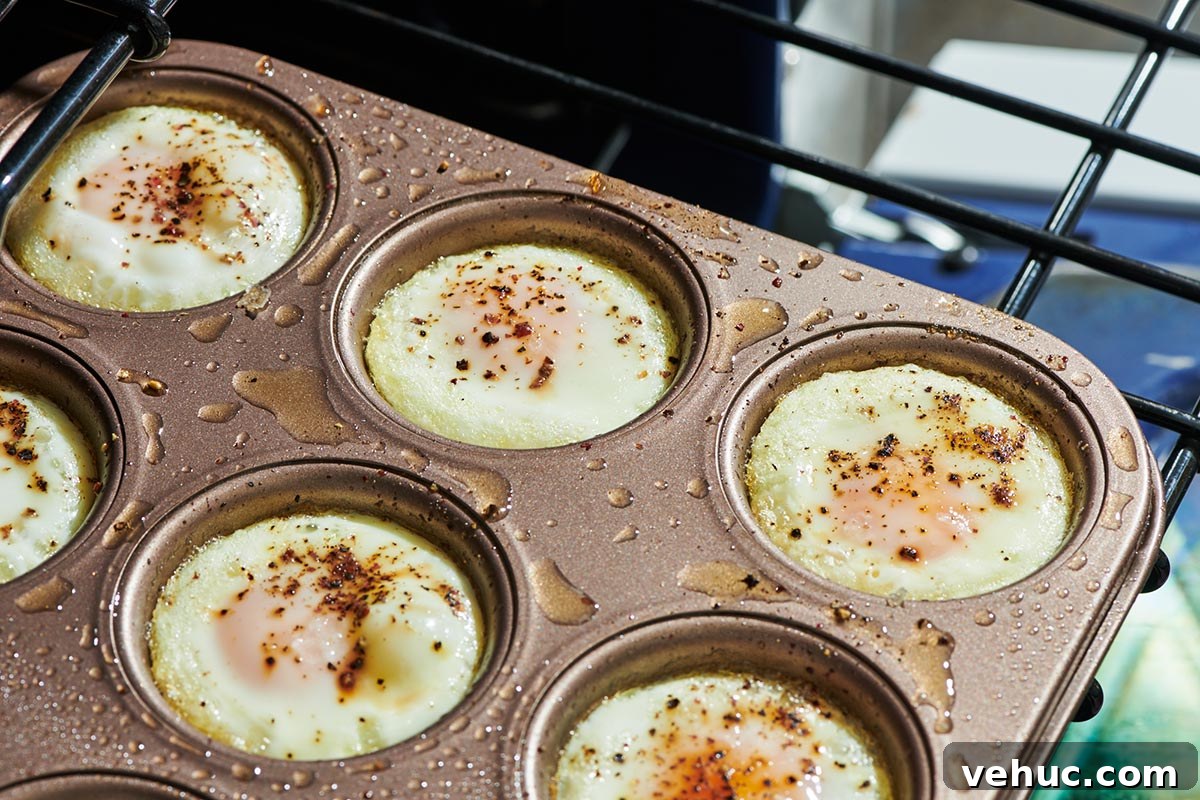
This simple oven-baked method is perfect when you need to prepare many individual eggs with minimal hands-on time. These muffin‑tin eggs have set whites and perfectly cooked yolks, making them ideal for feeding a crowd or assembling egg sandwiches (directions below). You only need eggs, a muffin tin, and an oven — and they take about 10 minutes to bake.
When I make a batch I feel like a camp cook—eggs for everyone. Serve them alongside crispy oven‑baked bacon or your favorite breakfast sides.
- How to Cook Eggs in the Oven
- Storage, Reheating, and Meal Prep
- Oven-Baked Eggs Cooking Tips
- Variations and Add-Ins
- Baked Egg Sandwich
- How to Use Oven-Baked Eggs
- Baked Eggs Recipe
- FAQs
- More Egg Cooking Tips
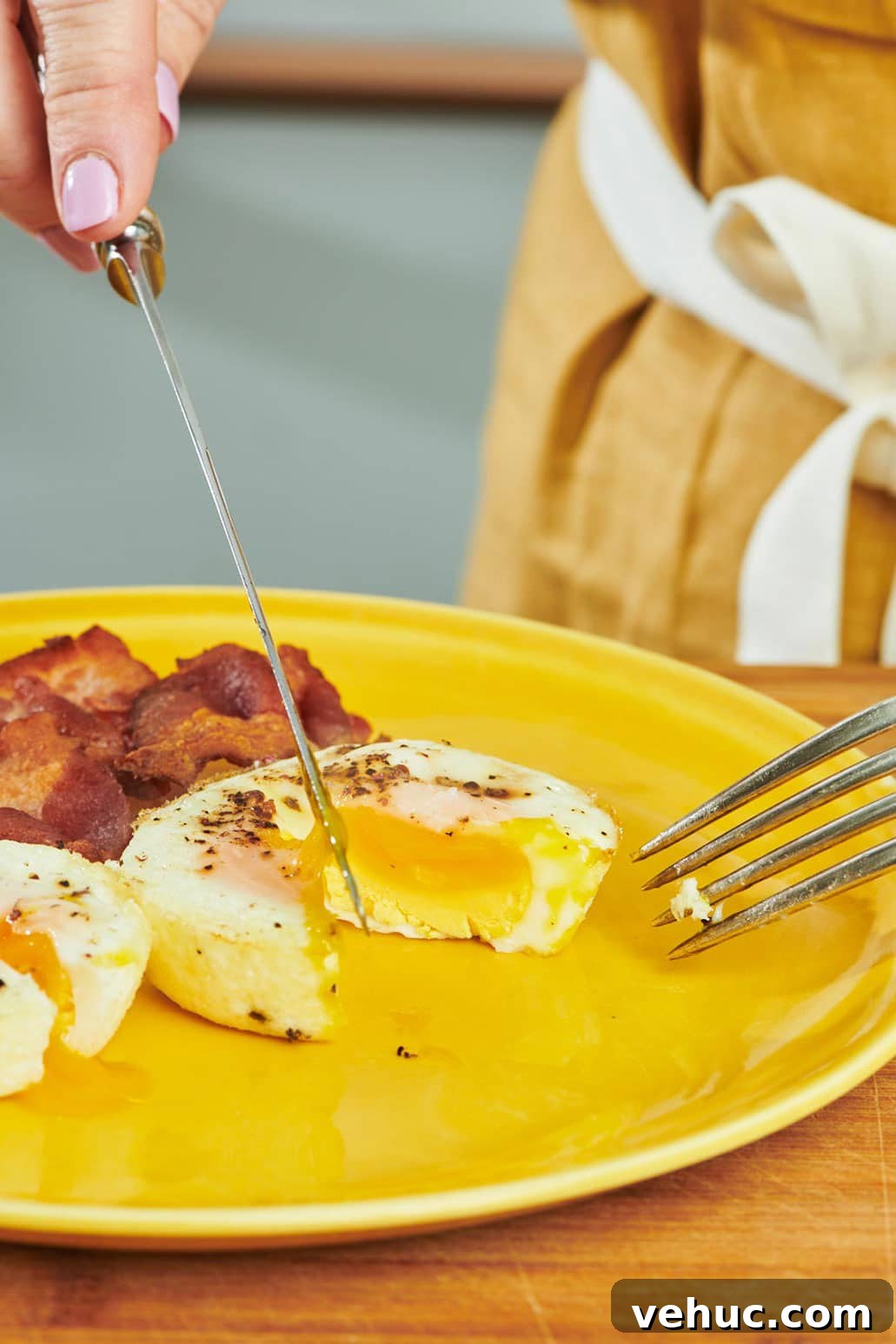
How to Cook Eggs in the Oven
Also known as shirred eggs, these are traditionally baked in ramekins. Using a muffin tin lets you make many at once with almost no effort.
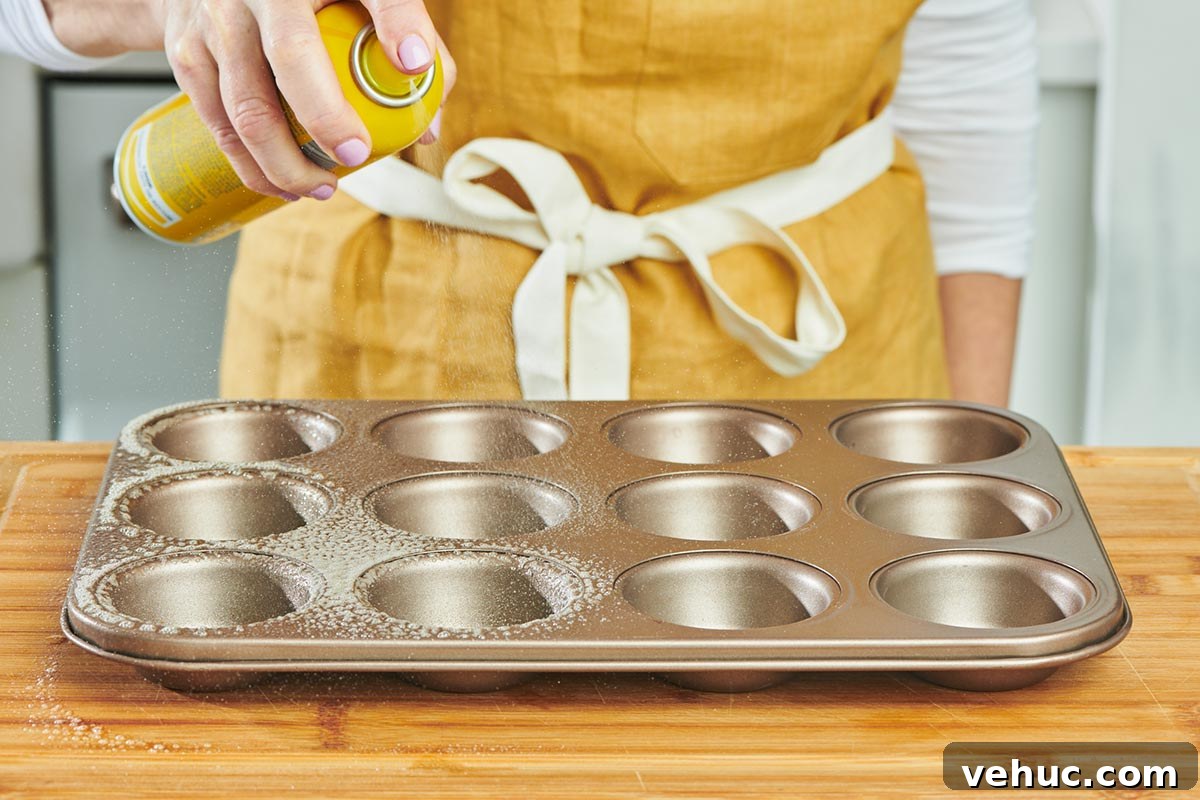
- Preheat and prep: Preheat the oven to 350°F (175°C). Generously spray a muffin tin with nonstick cooking spray so the eggs release easily.
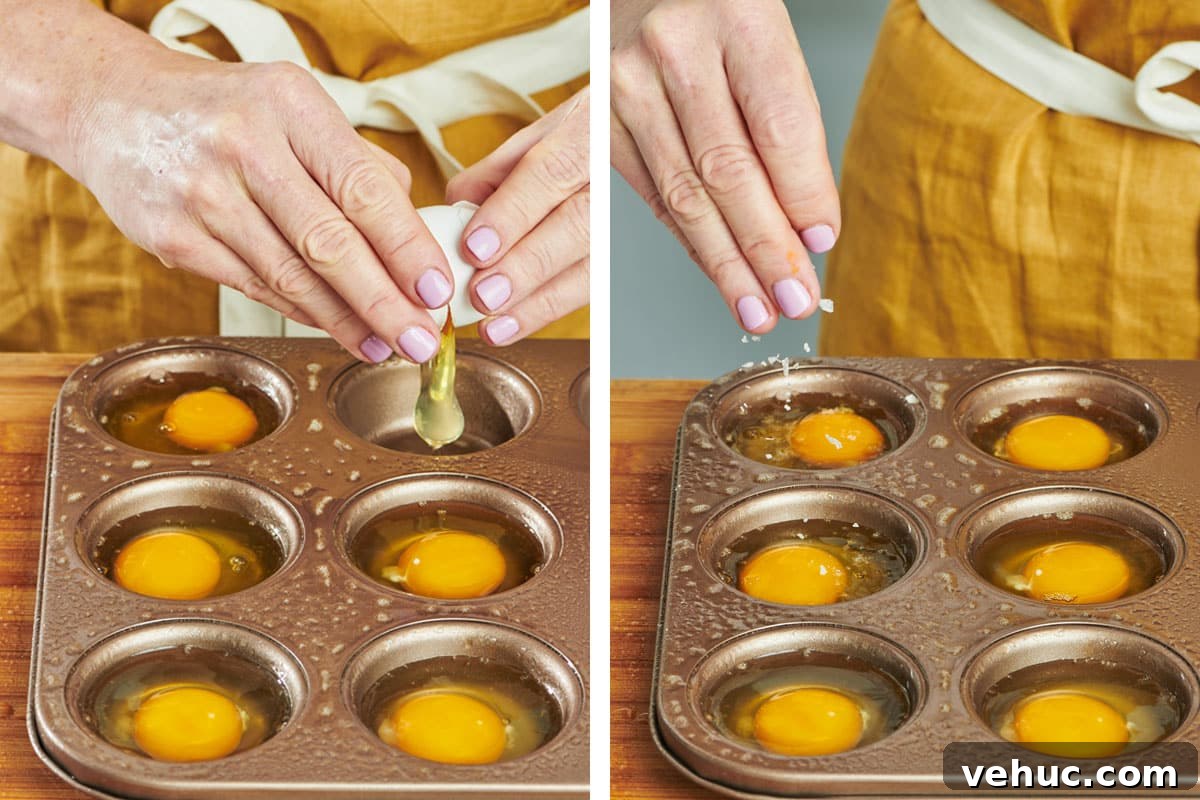
- Crack the eggs: Crack one egg into each muffin cup without breaking the yolk. Season each with salt and freshly ground black pepper.
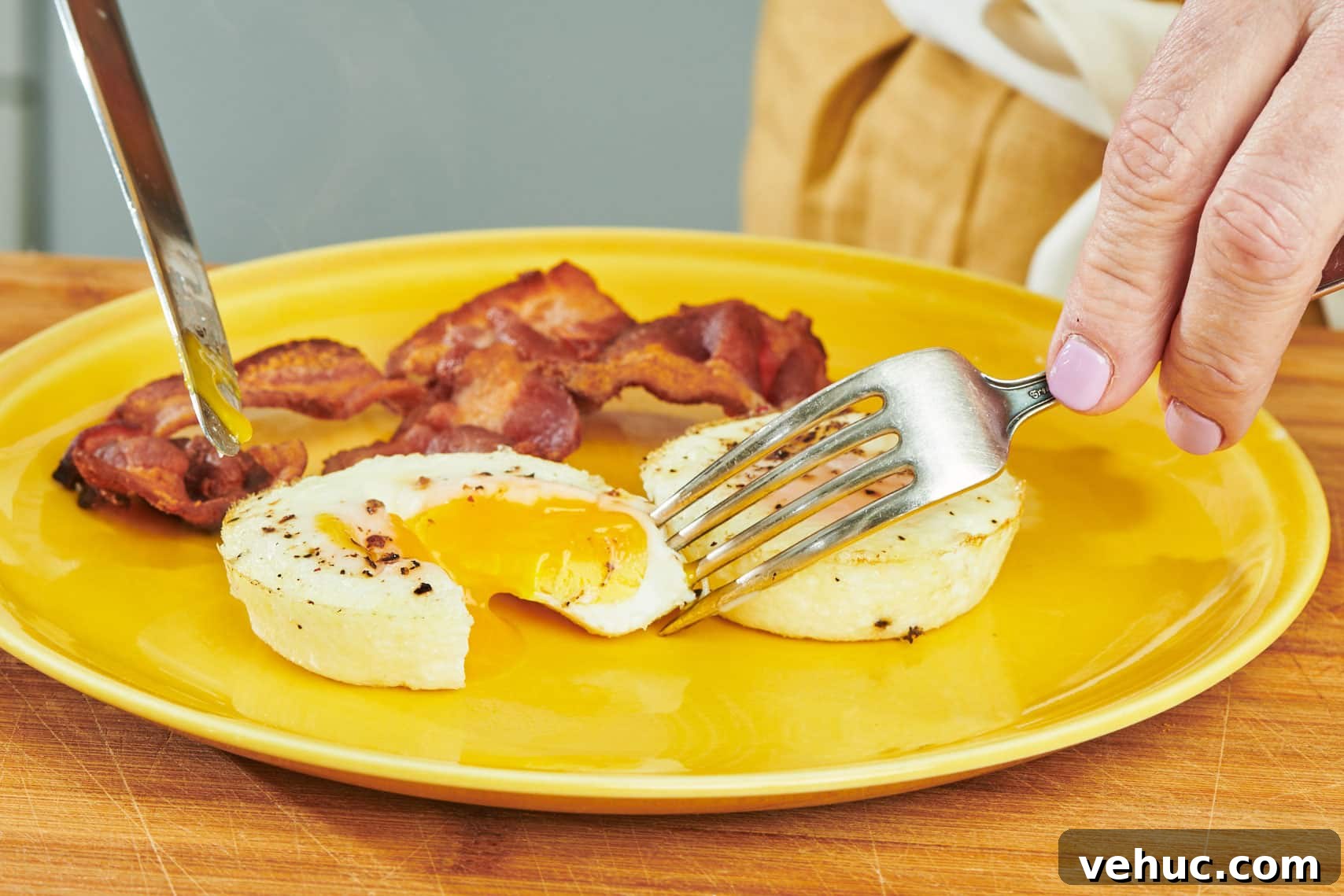
- Bake: Bake on the middle rack. For runny yolks bake 10–11 minutes; for semi‑firm yolks 12–13 minutes; for fully set yolks 14–15 minutes. The whites should be opaque and set. Since eggs continue to firm slightly after you remove them, take them out just before they reach your preferred doneness.
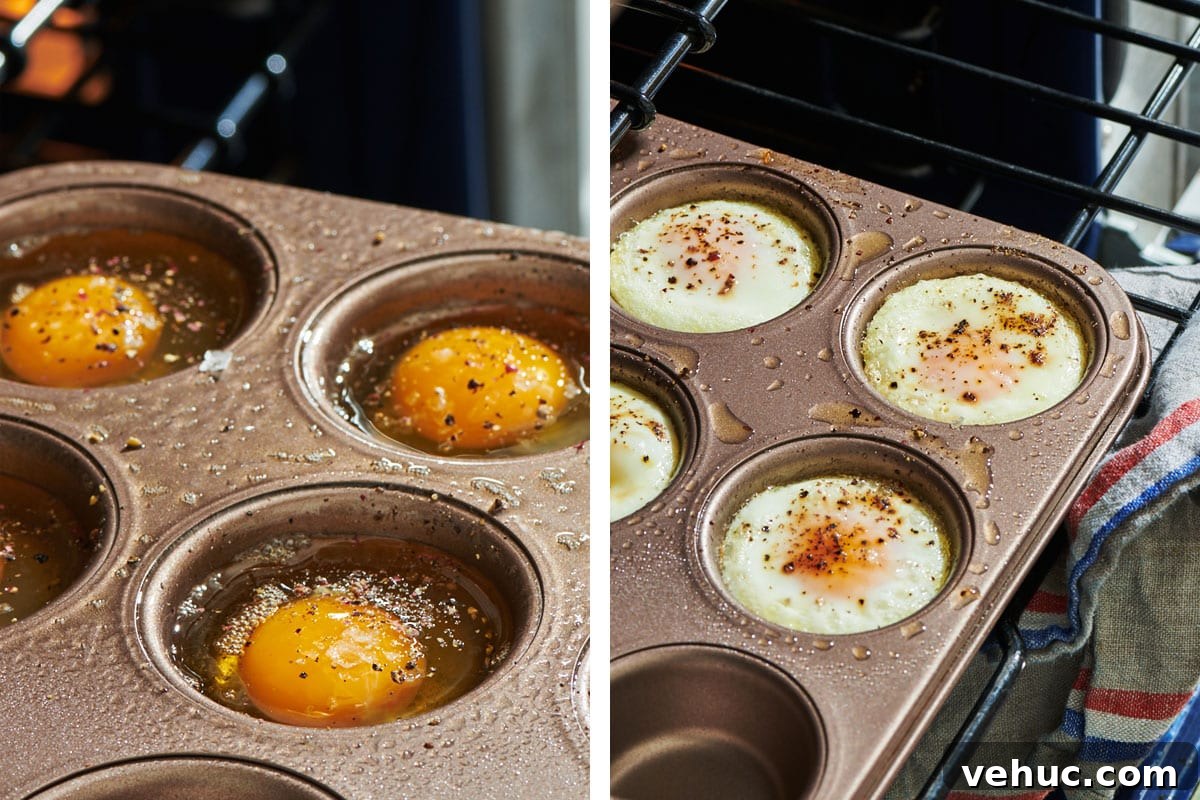
- Remove from the tin: Let the eggs rest in the tin for a minute or two. Then slide a butter knife or small offset spatula around each cup to loosen and lift the eggs out.

- Serve hot: Finish with lemon wedges, hot sauce, fresh herbs, or place on a toasted English muffin.
Storage, Reheating, and Meal Prep
These eggs are excellent for meal prep. Make a full tin on Sunday and you’ll have breakfasts ready all week. Once cooled, store eggs in an airtight container in the refrigerator for up to 4 days.
To reheat, use 50% power in the microwave in 20‑second bursts to avoid overcooking the yolks. For gentler reheating, warm them in a 300°F oven for 5–8 minutes, loosely covered with foil.
Kitchen Smarts
You can also bake hard‑boiled style eggs in a muffin tin for an easy hands‑off method to make many eggs at once.
Oven-Baked Eggs Cooking Tips
- Use a nonstick muffin pan if possible to make removing the eggs easier.
- Spray each cup well with nonstick spray so the eggs slide out cleanly.
- If an egg sticks, run a butter knife or offset spatula around the edge to free it.
- To make firmer yolks like hard‑boiled eggs, bake a little longer. These are great for egg salad or other cooked‑egg recipes.
Variations and Add-Ins
Simple salt and pepper are delicious, but you can customize easily:
- Finish with a splash of hot sauce or a sprinkle of fresh herbs such as tarragon, oregano, or thyme.
- Add grated cheese or a thin slice of cheese for the last minute of baking—cheddar, American, Monterey Jack, feta, or goat cheese all work well.
- Line the bottom of each cup with cooked hashbrowns before cracking in the egg for a heartier bite.
- Stir in diced ham or cooked, crumbled bacon in the bottom of each cup for extra flavor.
Baked Egg Sandwich
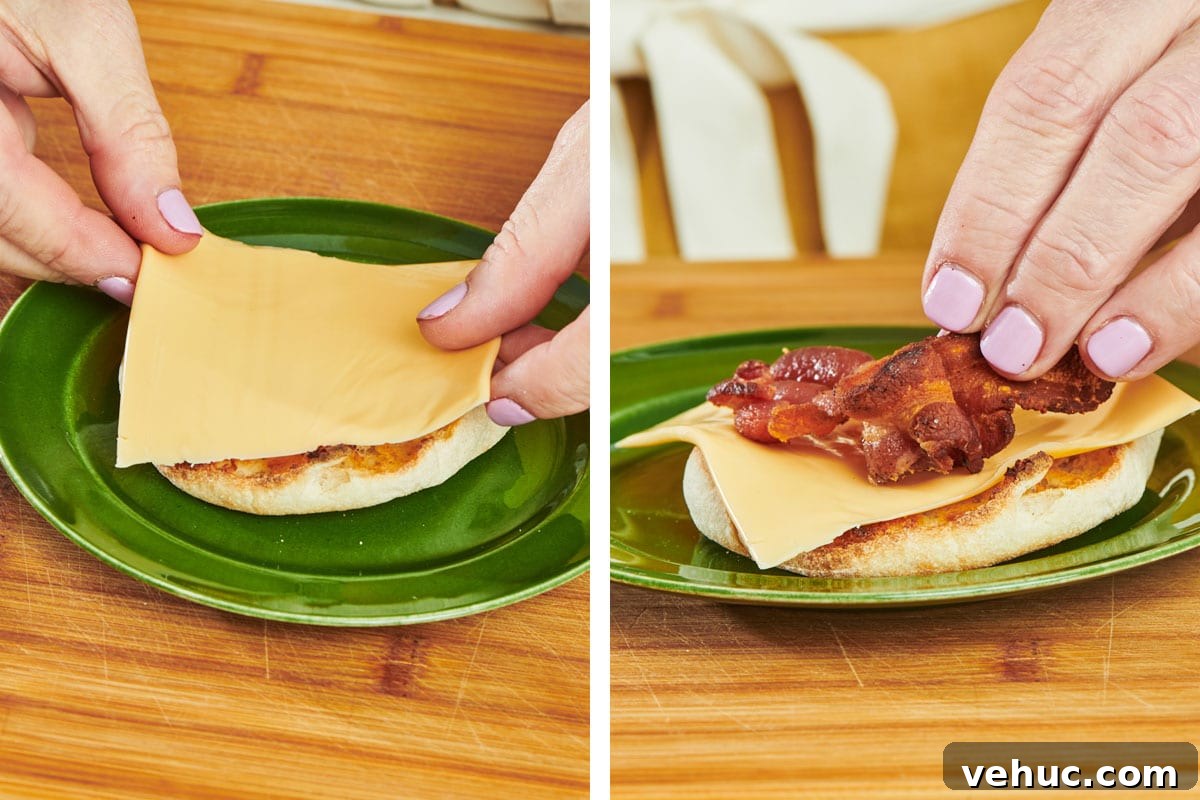
- Toast and butter an English muffin or bread. Place a thin slice of cheese on the bottom half (American cheese is classic). Add cooked, crispy bacon.
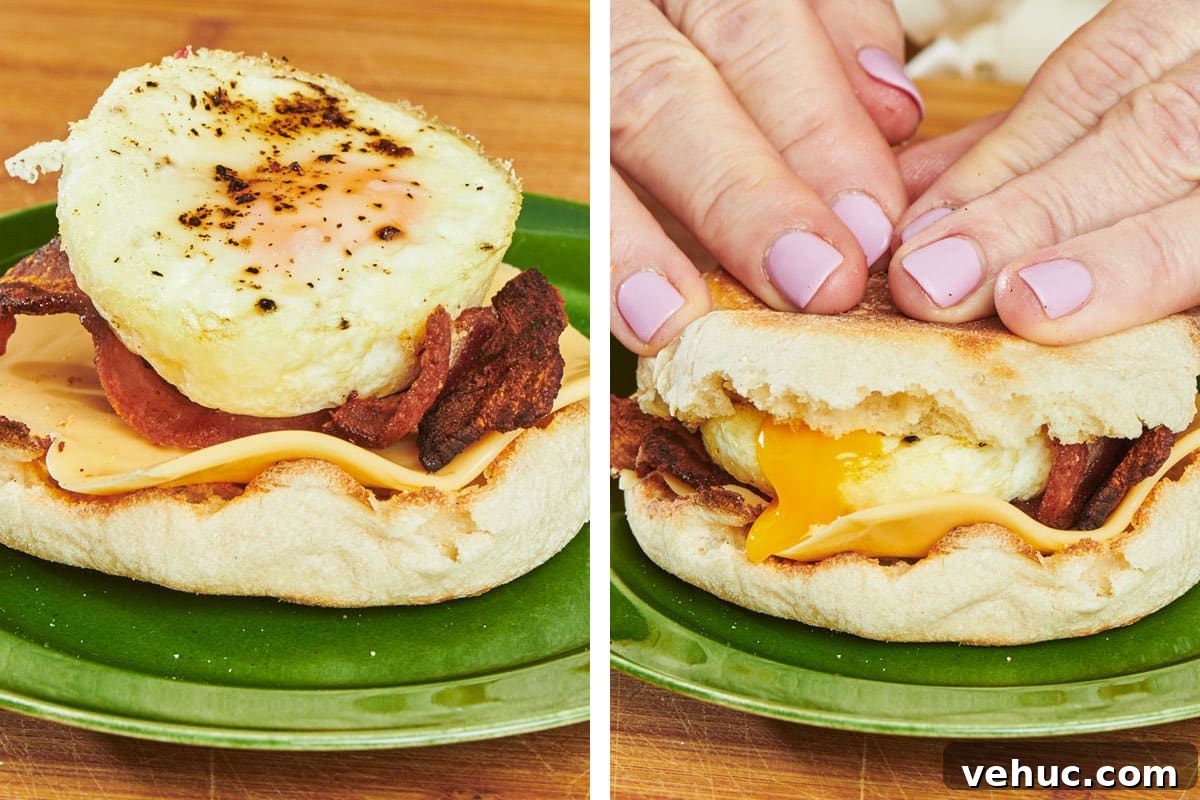
- Top with a hot baked egg, place the other half of the muffin on top, press so the yolk breaks, and enjoy.
How to Use Oven-Baked Eggs
Bistro Salad with Warm Goat Cheese
The Classic Bacon, Egg, and Cheese Sandwich
Fried Egg and Cheese Tostadas
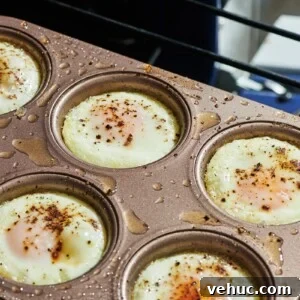
Baked Eggs
Equipment
-
Muffin tin (preferably nonstick)
Ingredients
- 6 large eggs (or however many you need)
- Kosher salt and freshly ground black pepper (to taste)
Instructions
-
Preheat the oven to 350°F (175°C). Spray the muffin tin with nonstick cooking spray.
-
Crack each egg into a muffin cup, taking care not to break the yolks. Season with salt and pepper.
-
Place the tin on the middle rack. Bake 10–12 minutes, or until the whites are opaque and the yolks reach your desired consistency. Give the pan a gentle jiggle to check how set the eggs are.
-
Use a small offset spatula or butter knife to loosen each egg from the cup and lift them out gently.
-
Serve immediately while hot.
Notes
Make Ahead and Storage
You can crack all the eggs into the muffin tin and keep the prepared tin in the refrigerator for several hours before baking to make a quick batch when you’re ready.
Store baked eggs in a sealed container in the fridge for up to 4 days. Reheat briefly in the microwave or in a low oven; freezing is possible but changes the texture, so it’s not recommended.
Texture of Baked Eggs
Baked eggs are slightly firmer than fried eggs in both whites and yolks. To achieve set whites that hold their shape, the yolks will be somewhat firmer as well, though they can remain slightly runny if removed earlier.
Nutrition
Like this recipe? Rate and comment below!
FAQs
Yes. There are several ways to cook eggs in the oven; this method uses a muffin tin to produce individual eggs with distinct whites and yolks. Watch the end of the baking time so you can remove them while the yolks are still runny if you prefer.
Bake until the whites are almost set but the yolks still jiggle. Remember the eggs will continue to firm slightly after you remove them, so take them out just before they reach your ideal doneness.
Generally 10–11 minutes yields a slightly runny yolk. Add a minute or two for firmer yolks or fully set eggs.
Yes. Oven-baked eggs offer the nutritional benefits of eggs with little added fat. They provide high‑quality protein, important vitamins and minerals, and can be an economical protein choice. Baking requires less added fat than frying, which can help reduce overall calories from cooking oil.
More Egg Cooking Tips
- How to Tell if Eggs Are Bad
- Perfect Hard‑Boiled Eggs
- Easy Scrambled Eggs
- How to Make an Omelet