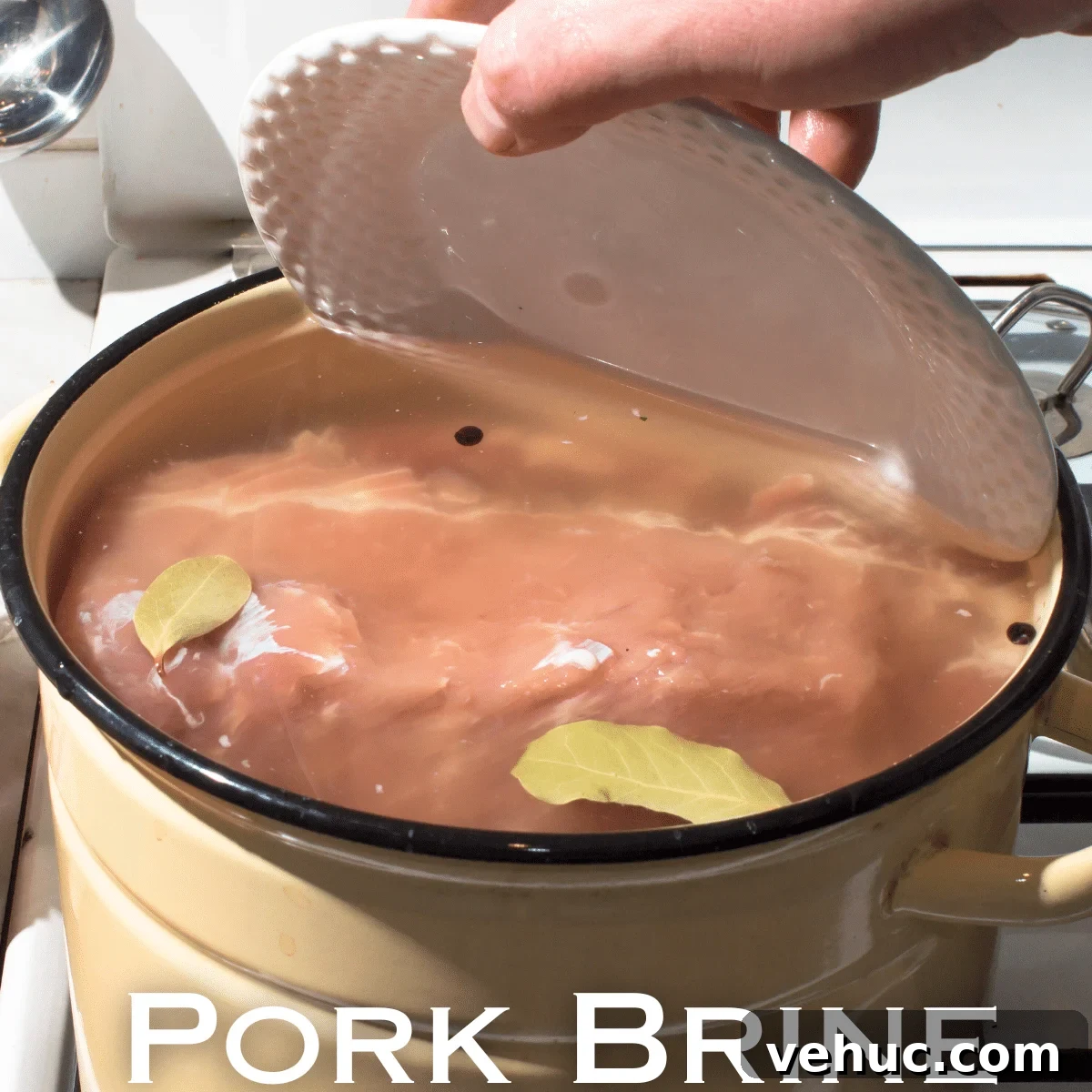
This simple Pork Brine recipe is a game changer. Brining pork is an easy way to elevate your pork dishes, adding flavor, moisture, and tenderness whether you’re smoking, roasting, or grilling.
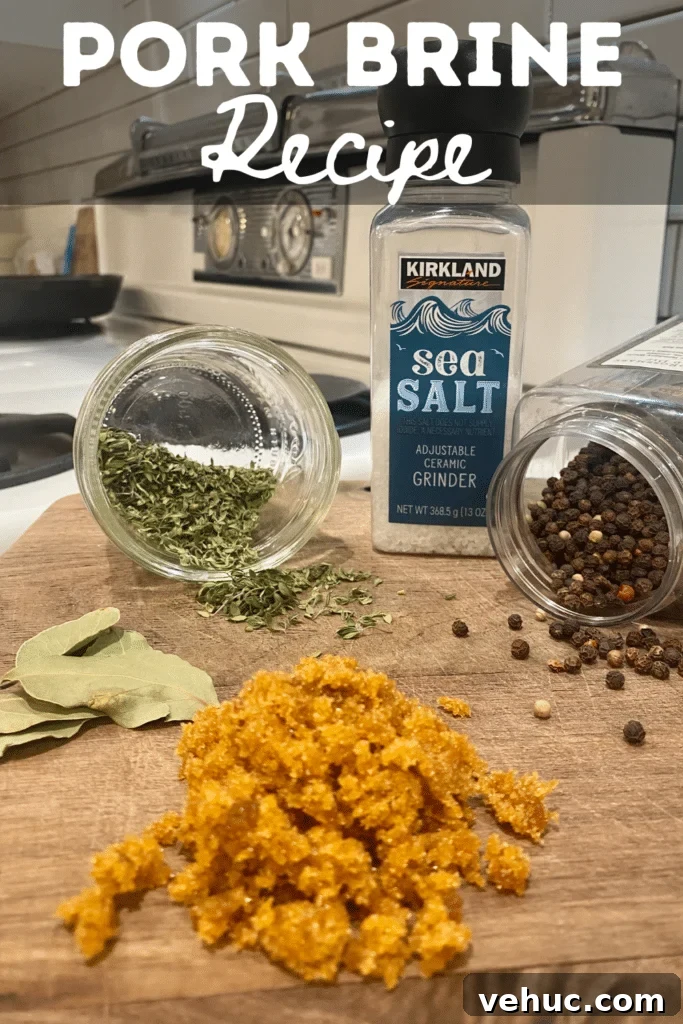
Whether you’re preparing pork chops, fresh ham roast, pork loin, pork steaks, pork butt roast or pork tenderloin, a good brine makes a noticeable difference in every bite.
Pork Brine
With a straightforward mixture of kosher salt, brown sugar and a few aromatics, this basic brine delivers consistent flavor, juicy meat and improved tenderness.
Brining is especially effective for cuts destined for smoking or low-and-slow cooking, but it also benefits roasted or grilled pork.
Ingredients
A handful of pantry staples is all you need. The quantities below make enough brine for roughly 2–4 pounds of pork; adjust proportionally for larger pieces.
- 4 cups cold water
- 1/4 cup kosher salt (if using table salt, reduce to 1/8 cup)
- 1/4 cup brown sugar
- 2 cloves garlic, minced
- 1 tablespoon whole black peppercorns
- 1 tablespoon dried thyme or a few sprigs fresh thyme
- 1 bay leaf
- Optional: 1 orange or lemon, sliced for a citrus twist
- Ice cubes (to chill the brine)
Directions
Follow these steps for a reliable brine and juicy pork every time.
In a saucepan, combine the water, kosher salt, brown sugar, garlic, peppercorns, thyme and bay leaf. Warm the mixture over medium heat, stirring until the salt and sugar are fully dissolved, about 5–10 minutes. Remove from heat and let cool to room temperature.
Once cooled, chill the brine until it reaches 40°F (4°C) or below. You can refrigerate it or add ice cubes to speed the process.
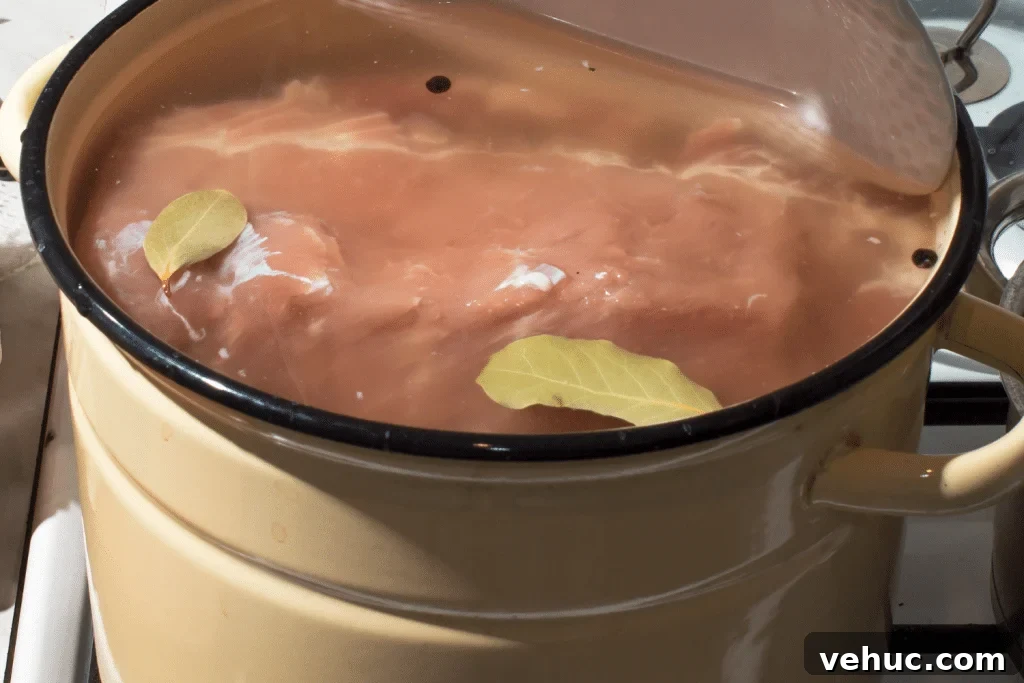
Place the pork in a large food-safe container or brining bag. If using citrus, add the sliced orange or lemon to the container. Pour the cold brine over the meat until it is completely submerged. If the meat floats, weigh it down with a clean plate or food-safe object to keep it covered.
Seal the container or bag and refrigerate. Brine for at least 12 hours and up to 24 hours for best results; longer times generally increase flavor absorption. For thinner cuts like chops, reduce brining time accordingly.
When ready to cook, remove the pork from the brine and rinse thoroughly under cold water to remove surface salt. Pat dry with paper towels, then season and cook according to your preferred method—smoking, roasting, or grilling.
This brine helps keep smoked or pulled pork moist and flavorful. Scale the recipe as needed for larger roasts.
Tips
For very large cuts like pork shoulder, consider using a meat injector to distribute the brine deeper into the meat for more even seasoning and juiciness.
Always cool the brine to room temperature or lower before adding meat; a hot brine can start to cook the pork and alter texture.
If refrigerator space is limited, rotate or flip the meat periodically during brining to ensure even exposure to the brine.
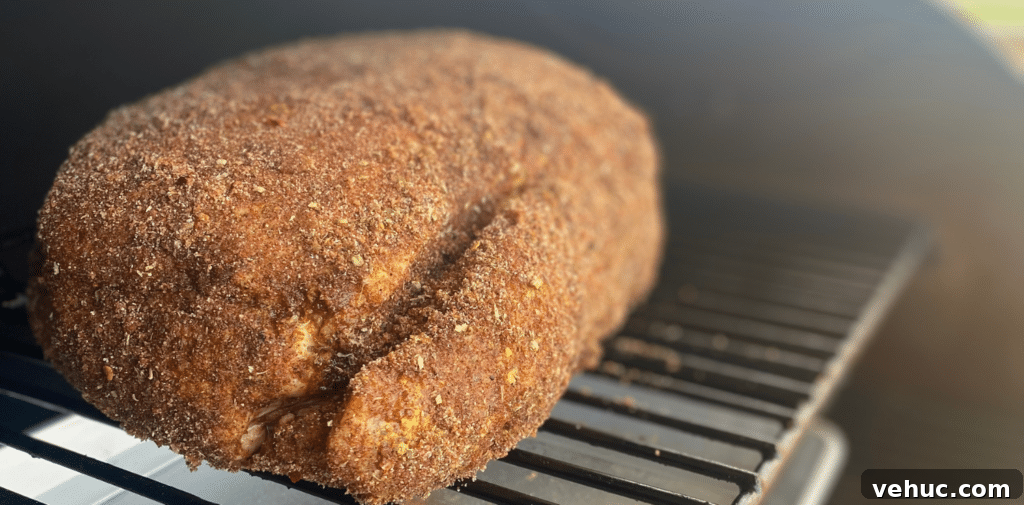
After removing the meat from the brine, let it rest uncovered in the refrigerator for a few hours or overnight to form a pellicle. This slightly tacky surface helps smoke and seasonings adhere better when smoking.
Cook pork to a safe internal temperature of 145°F (63°C) for most cuts. Pulled pork made from shoulder is often cooked to 195–200°F (90–93°C) for optimal tenderness.
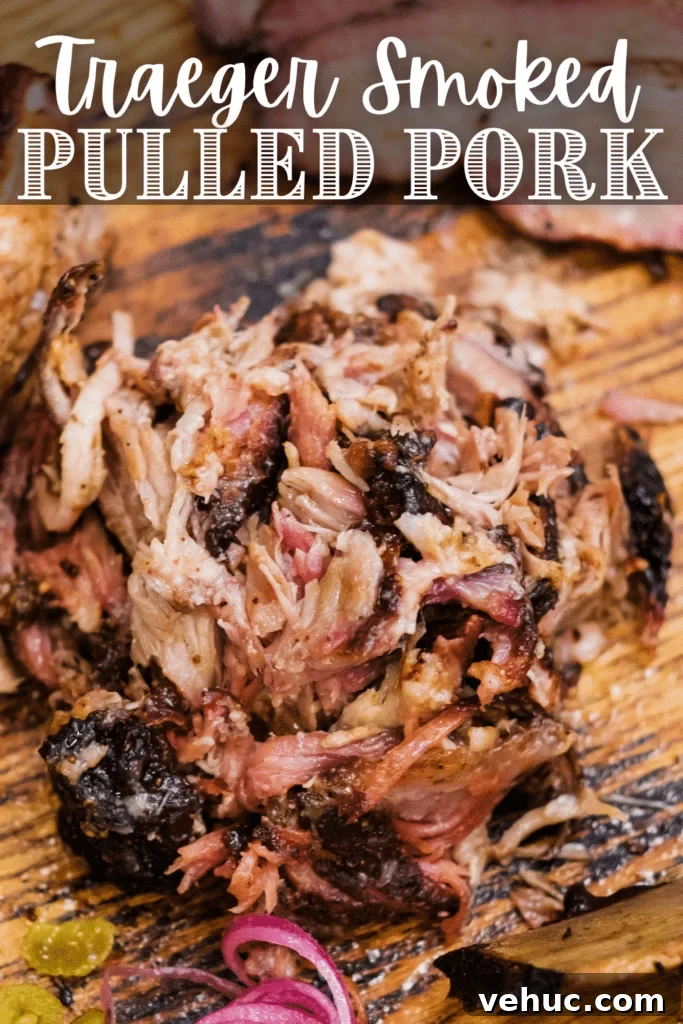
Why Brine Pork
Brining improves pork in several practical ways:
Flavor Infusion
The salt, sugar and aromatics penetrate the meat, seasoning it throughout rather than only on the surface. Herbs, spices and citrus add complementary layers of flavor.
Moisture Retention
Salt changes the protein structure so meat holds more water during cooking, resulting in juicier slices even after long cooks.
Tenderness
Brining helps relax muscle fibers, producing a more tender texture—especially helpful for tougher cuts like shoulder or butt.
Control Over Salinity
Brining lets you precisely control how salty the finished meat will be by adjusting the salt concentration in the brine.
Flavor Variation
The brine is very customizable: add herbs, spices, citrus zest or other aromatics to create unique flavor profiles tailored to your dish.
Crispier Crust
Brown sugar aids caramelization during roasting or smoking, helping form a flavorful crust that contrasts with the tender interior.
Consistent Seasoning
Because the brine penetrates the meat, seasoning is consistent from edge to center, avoiding the unevenness that can happen with surface-only rubs.
Safer Handling
The salt concentration in brines can help inhibit bacterial growth during long cook preparations, though proper refrigeration and cooking remain essential.
This simple brine elevates lean cuts and makes smoked or pulled pork more satisfying. Experiment with brine times, wood types, rubs and added seasonings to find your favorite combination.
Pork Recipes
Boston Butt Roast
Glazed Ham
Traeger Smoked Pulled Pork
Smoked Pork Loin
Savory Smoked Pork
Grilled Pork Loin
Apricot Pulled Pork
Smoked Pork Shoulder
Recipe Card
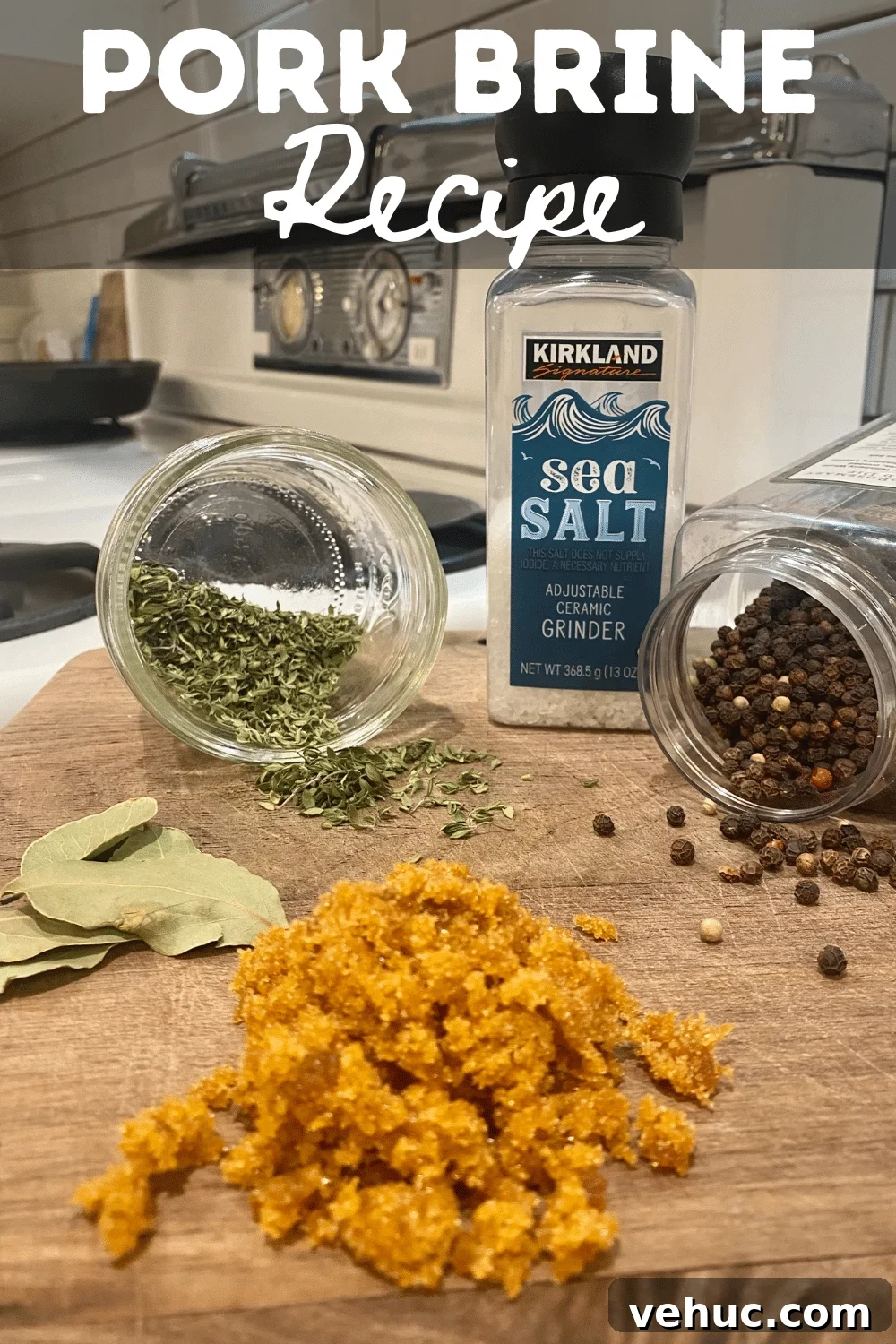
Pork Brine
Ingredients
- 4 cups cold water
- 1/4 cup kosher salt
- 1/4 cup brown sugar
- 2 cloves garlic, minced
- 1 tablespoon whole black peppercorns
- 1 tablespoon dried thyme (or fresh sprigs)
- 1 bay leaf
- 1 orange or lemon, sliced (optional)
- Ice cubes
Instructions
- Combine water, kosher salt, brown sugar, garlic, black peppercorns, thyme and bay leaf in a saucepan. Heat over medium, stirring until salt and sugar dissolve, about 5–10 minutes. Remove from heat and cool to room temperature.
- Chill the brine to 40°F (4°C) or below by refrigerating or adding ice.
- Place the pork in a large food-safe container or brining bag. Add citrus slices if desired.
- Pour cold brine over the pork to fully submerge. Use a weight if the meat floats.
- Seal and refrigerate. Brine at least 12 hours and up to 24 hours for best results (adjust for smaller cuts).
- When ready, remove pork, rinse under cold water to remove excess salt, and pat dry. Season and cook as desired.
Notes
- For large cuts, use a meat injector to distribute brine more evenly.
- Always cool the brine before adding meat to prevent partial cooking.
- If you can’t fully submerge a large roast, rotate or flip it periodically during brining.
- After brining, refrigerate the meat uncovered for a few hours to develop a pellicle before smoking.
Nutrition
FAQs
How long should you brine pork?
Pork chops (1″ thick): 1–2 hours.
Tenderloin: 2–4 hours.
Pork roasts (4–5 lb): 4–8 hours.
Whole pork shoulder or butt: 8–12 hours or overnight.
What is the ratio for brine?
Standard brine: 1 cup salt per 1 gallon water (1:16).
Mild brine: 1/2 cup salt per 1 gallon water (1:32).
Strong brine: 2 cups salt per 1 gallon water (1:8).