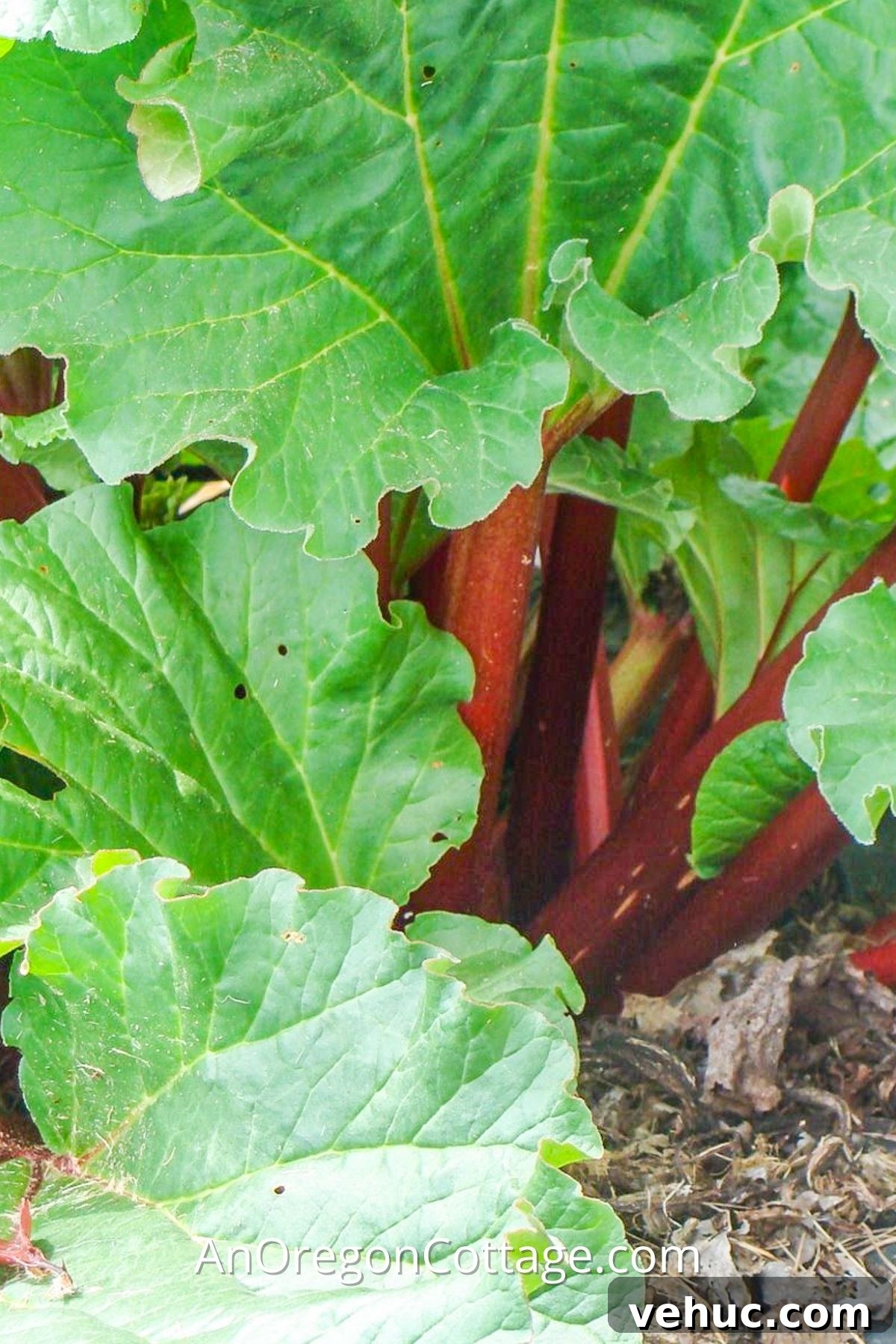
The ultimate rhubarb guide to growing, harvesting, preserving and cooking with rhubarb. Find practical tips for growing this easy perennial and inspiring recipes for both sweet and savory dishes.
This rhubarb guide is part of a series of produce Ultimate Guides that collect growing advice and recipes for specific fruits and vegetables. These guides combine practical gardening tips with ideas for using and preserving your harvest.
Rhubarb is an edible plant usually treated like a fruit in recipes, even though botanically it’s a vegetable. It’s a reliable, old-fashioned crop worth growing for its tangy stalks and versatility in the kitchen.
One of rhubarb’s best qualities is that it’s a perennial: once established it returns every year with minimal care. Plant it in a permanent spot—your rhubarb patch—and it will provide some of the earliest harvests of the season.
Rhubarb also adapts to many culinary uses. It makes excellent chutney for savory dishes, a bright ice cream sauce, pie and cake fillings, jams, bars, muffins, drinks and more. Because it isn’t a supermarket staple everywhere, growing your own ensures a steady supply.
I’ve gathered the essential rhubarb growing and cooking information here so you can find reliable advice in one place.
What is rhubarb?
Rhubarb belongs to the buckwheat family and provides vitamin C and K, magnesium, fiber and some protein. We eat the thick leaf stalks, which are naturally tart. Many recipes balance that tartness with sugar, though you can often use less sweetener and still get a pleasant sweet-tart result.
The plant’s large leaves are poisonous and should be discarded after harvest rather than eaten. They contain oxalic acid and other compounds that can cause digestive upset; in large amounts they can be dangerous. For safety, compost or dispose of leaves and use only the stalks.
Red or green stalks?
Not all rhubarb varieties have red stalks—some are green or only slightly flushed with red. The deeper-red varieties, like ‘Crimson Red’ and ‘Valentine,’ are popular because they add attractive color to jams, muffins and baked goods, but green-stalked types are often hardier and more productive.
There’s no significant flavor difference between red and green stalks. Green varieties may produce more flower stalks and occasionally yield drier, stringier stems once the plant bolts, but they can be easier to establish in cooler or challenging sites.
Ultimate Rhubarb Guide – How to Grow Rhubarb
Planting
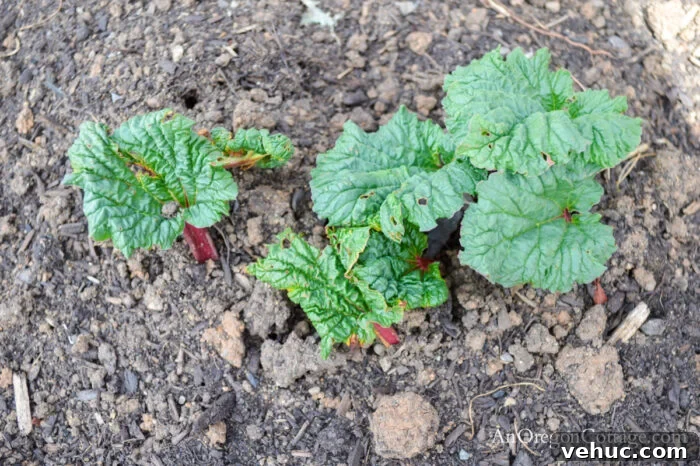
Rhubarb is usually planted from one-year-old crowns, either bare-root in early spring or from potted plants later in spring. Plant as early as soil can be worked in full sun, amending the planting area with compost. Set crowns about an inch below the soil surface.
Tip: In warm climates, rhubarb often performs better in partial shade, though stalks may be thinner. Space plants at least 3 feet apart—established clumps can become large. Avoid harvesting in the first year so the plant can establish, though harvesting a couple of stalks in a vigorous patch is OK.
Maintenance
Water consistently during the first two years; after that rhubarb is fairly drought-tolerant, though regular moisture produces the best stalks. A yearly top-dressing of compost is usually all the fertilizer it needs. Mulch with compost, grass clippings or straw to retain moisture, keeping mulch away from the crown to avoid rot.
After the first hard frost, cut back remaining stalks and protect the crown with a light layer of compost, leaves or straw for winter. Remove any flower stalks when they appear—bolting diverts energy from stalk production and can reduce stalk quality.
Established clumps can be divided every 4–5 years when crowns get crowded or stalks become thin. Division rejuvenates the planting and provides new plants to share.
Growing in shade or heat
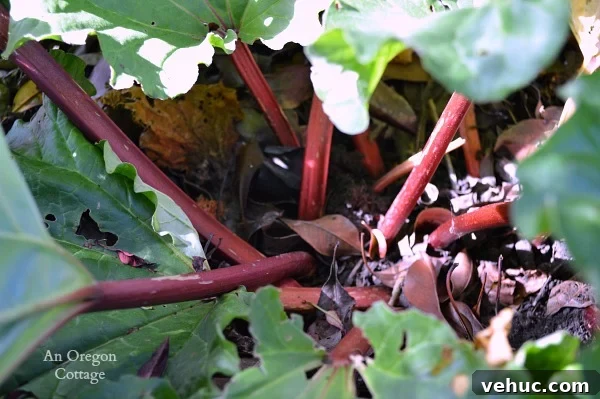
Rhubarb grown in shade will produce thinner stalks and smaller leaves. If your climate is cool, aim for full sun; in hot regions provide afternoon shade, consistent water and choose heartier green varieties. Above about 90°F top growth may die back; plants often recover as temperatures drop or the following spring.
How to Harvest Rhubarb
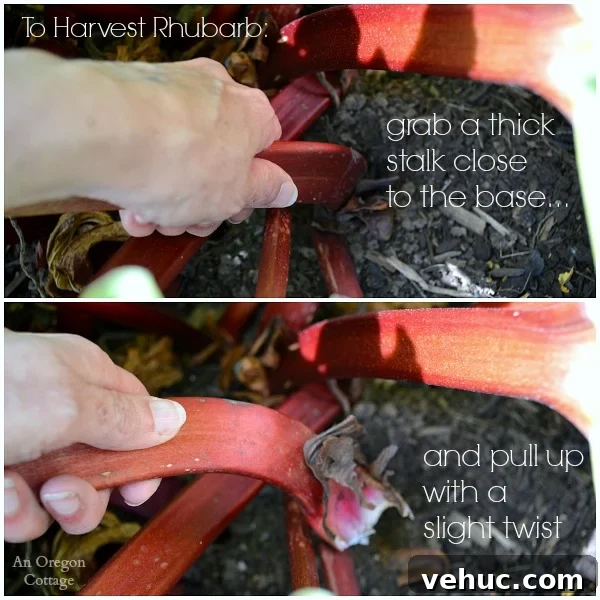
To harvest individual stalks: Grasp a stalk at the base, pull up and twist slightly; most stalks release cleanly. If needed, cut the stalk at the base with a knife. Remove and compost leaves immediately.
When and how much to harvest: Approaches vary, but a balanced method is to harvest only the thickest stalks over a two-month period in spring, stopping when new stalks become thin. Some gardeners harvest lightly again in fall, but spring is the main season for quality stalks.
Ultimate Rhubarb Guide – Recipes
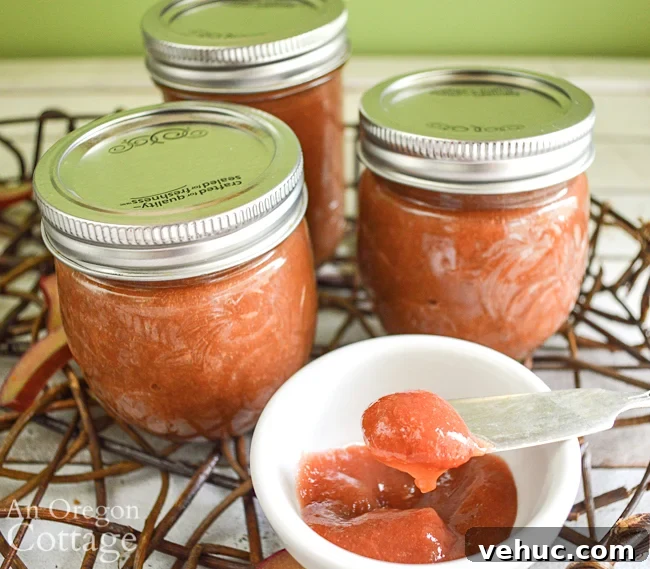
Preserving Recipes
Honey Lemon Rhubarb Butter
Spicy Rhubarb Chutney
Easy Rhubarb Barbecue Sauce
Honey Rhubarb-Ginger Jam (Small Batch)
3-Ingredient Rhubarb Strawberry Sauce
Ten Ways to Use & Preserve Spring Rhubarb (collection)
To freeze: Rhubarb freezes very well. Trim and cut into slices or dice, then pack raw into freezer bags, removing as much air as possible. You can flash-freeze pieces on a baking sheet first to prevent clumping. Label and freeze for up to a year. Blanching is optional; many find frozen rhubarb works fine without it.
Tip: Freeze portions sized for your favorite recipes to make future use easy.
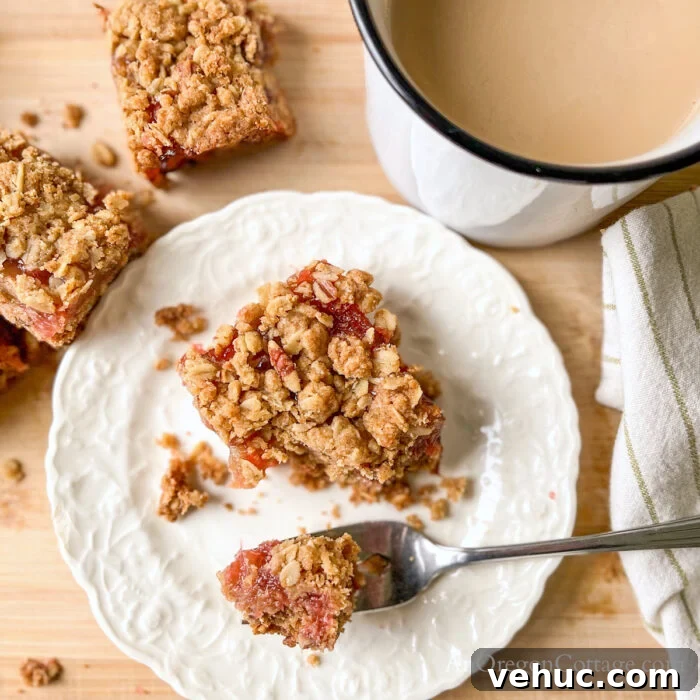
Cooking & Baking Recipes
Rhubarb-Honey Crumb Bars
Glazed Orange Rhubarb Muffins
Rhubarb Chutney Salad Dressing
Old-Fashioned Fresh Rhubarb Cake
Pink Rhubarb Gin
Rhubarb Sorbet
Rhubarb Coffee Cake
Pasta with Basil & Rhubarb Sauce
Homemade Rhubarb Bread
Rhubarb Frequently Asked Questions
Cut off the leaves in the garden and compost them. Trim the root end and rinse stalks under running water with a vegetable brush if needed. Spring stalks are tender and usually don’t need peeling; later-season stalks can be stringier and may benefit from peeling. Chop to the size your recipe requires.
Avoid eating rhubarb from the garden after temperatures drop to the lower to mid-20s °F, since cold can cause oxalic acid to move into the stalks. When in doubt, discard questionable stalks and rely on earlier-season harvests.
Whole stalks will keep 3–4 weeks in the refrigerator, a little less once cut. Store wrapped in a damp cloth inside a produce bag or in a sealed bag if you plan to use it soon.

Find more Ultimate Fruit & Vegetable Guides
This guide has been updated; it was originally published in 2014.